Third generation Nissan Juke goes electric with radical styling
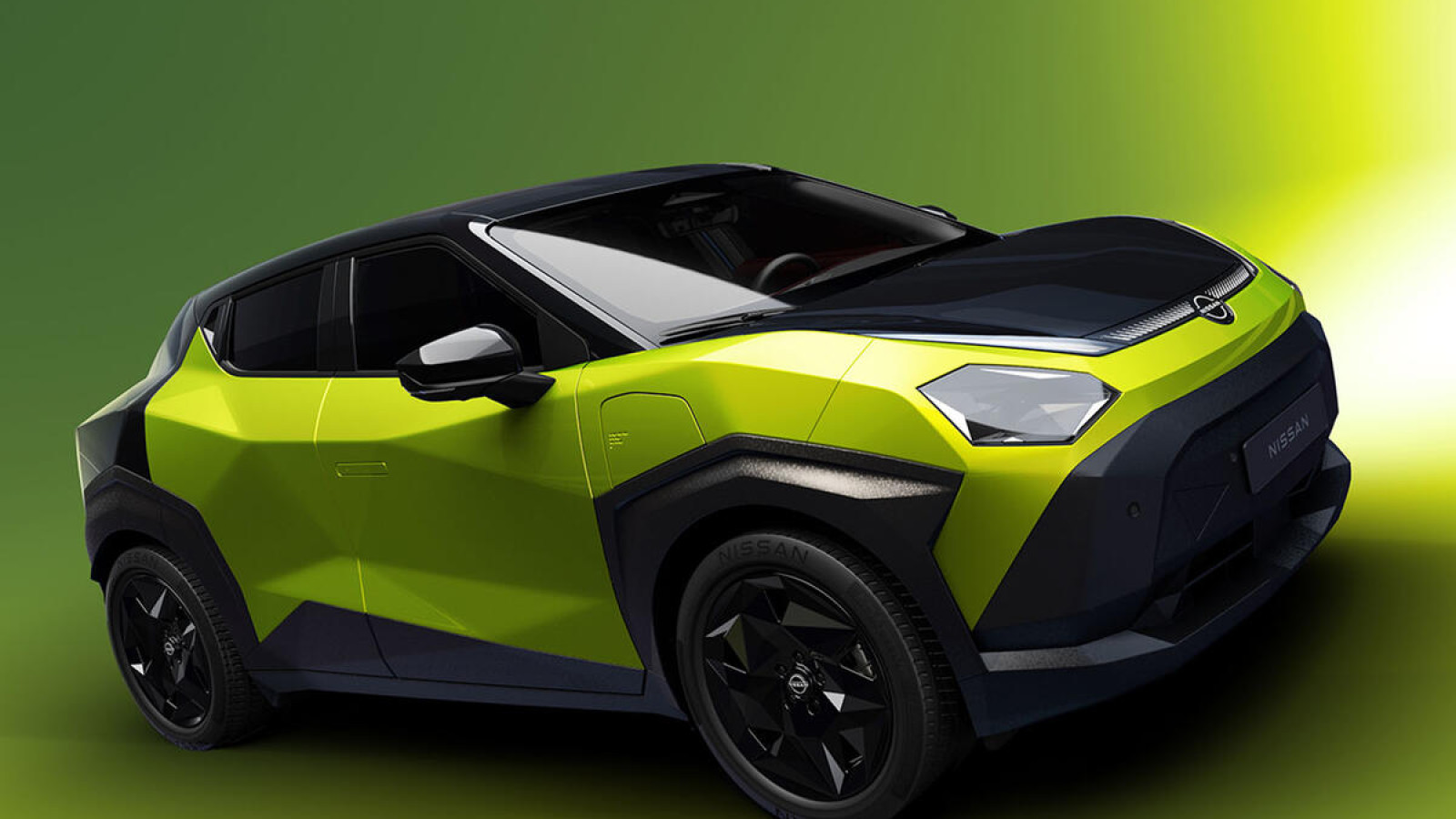
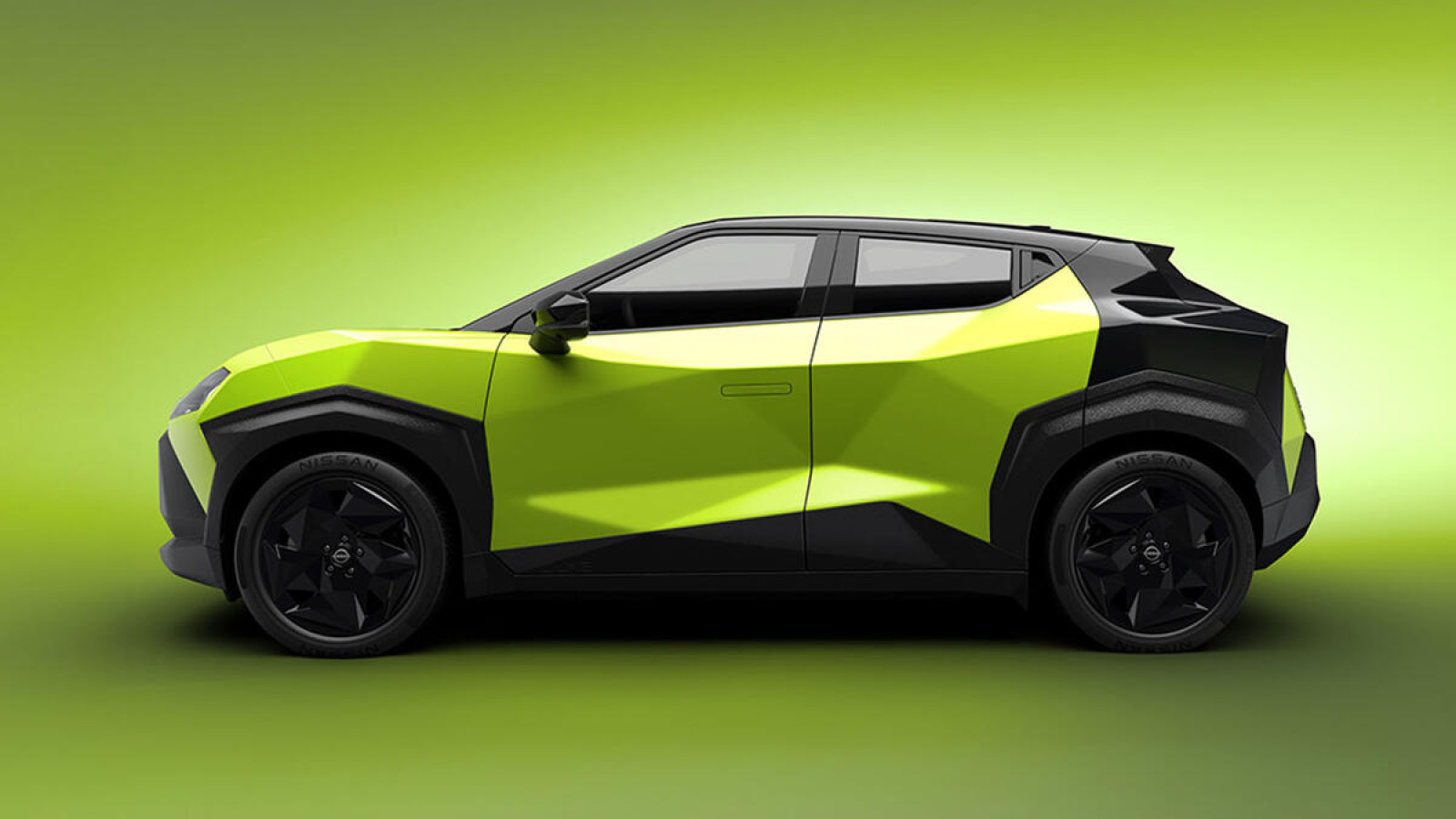
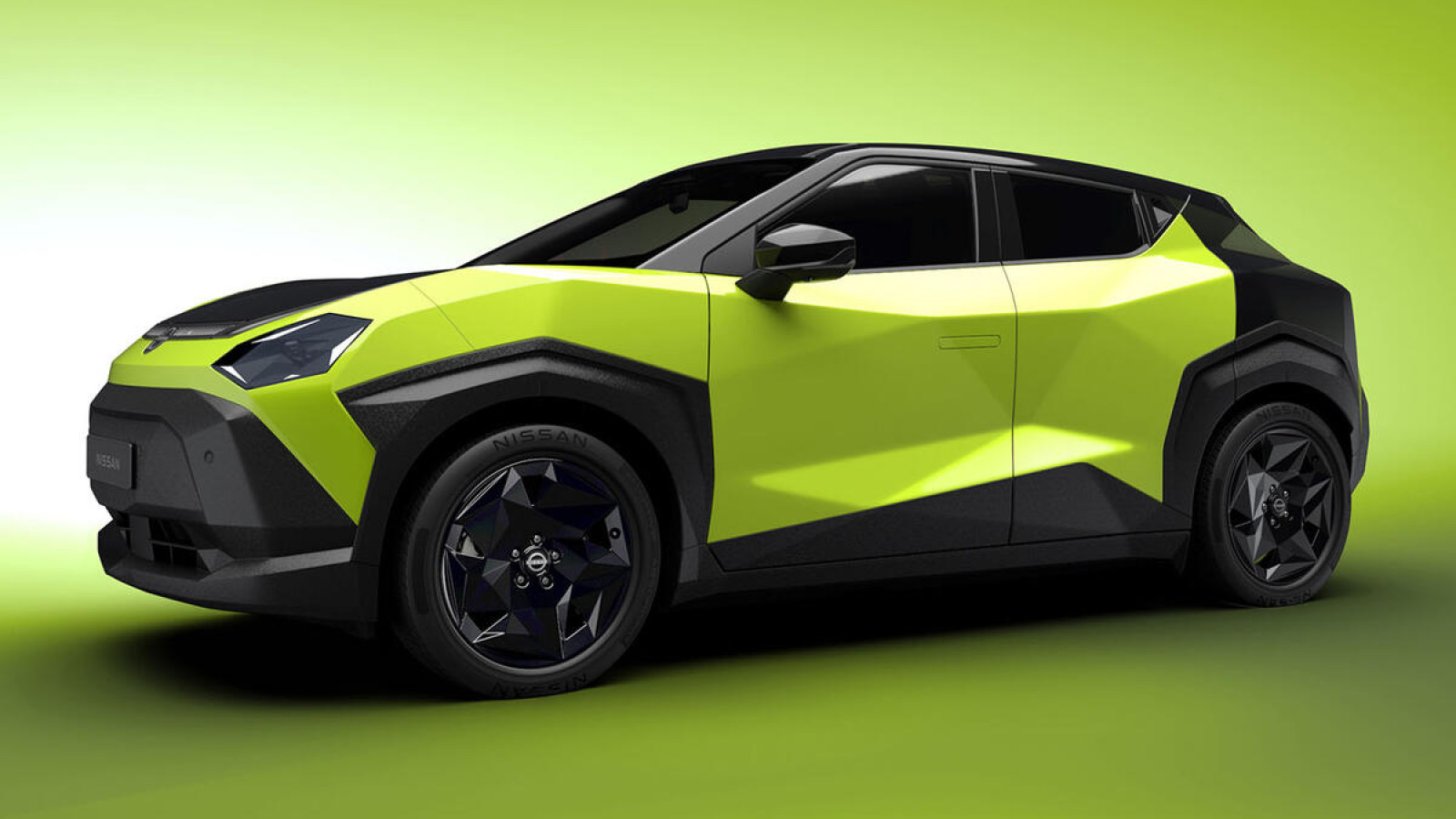
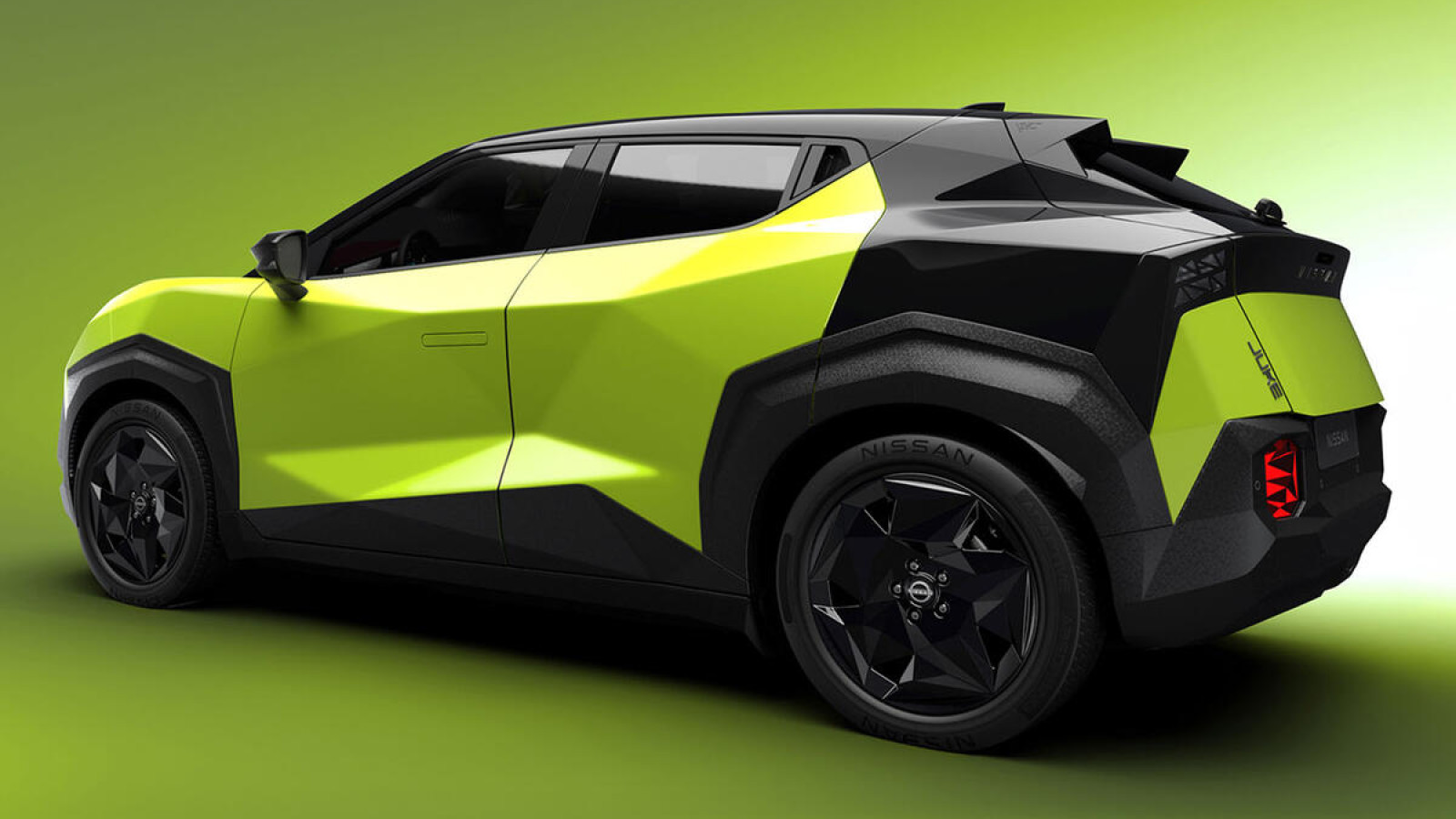
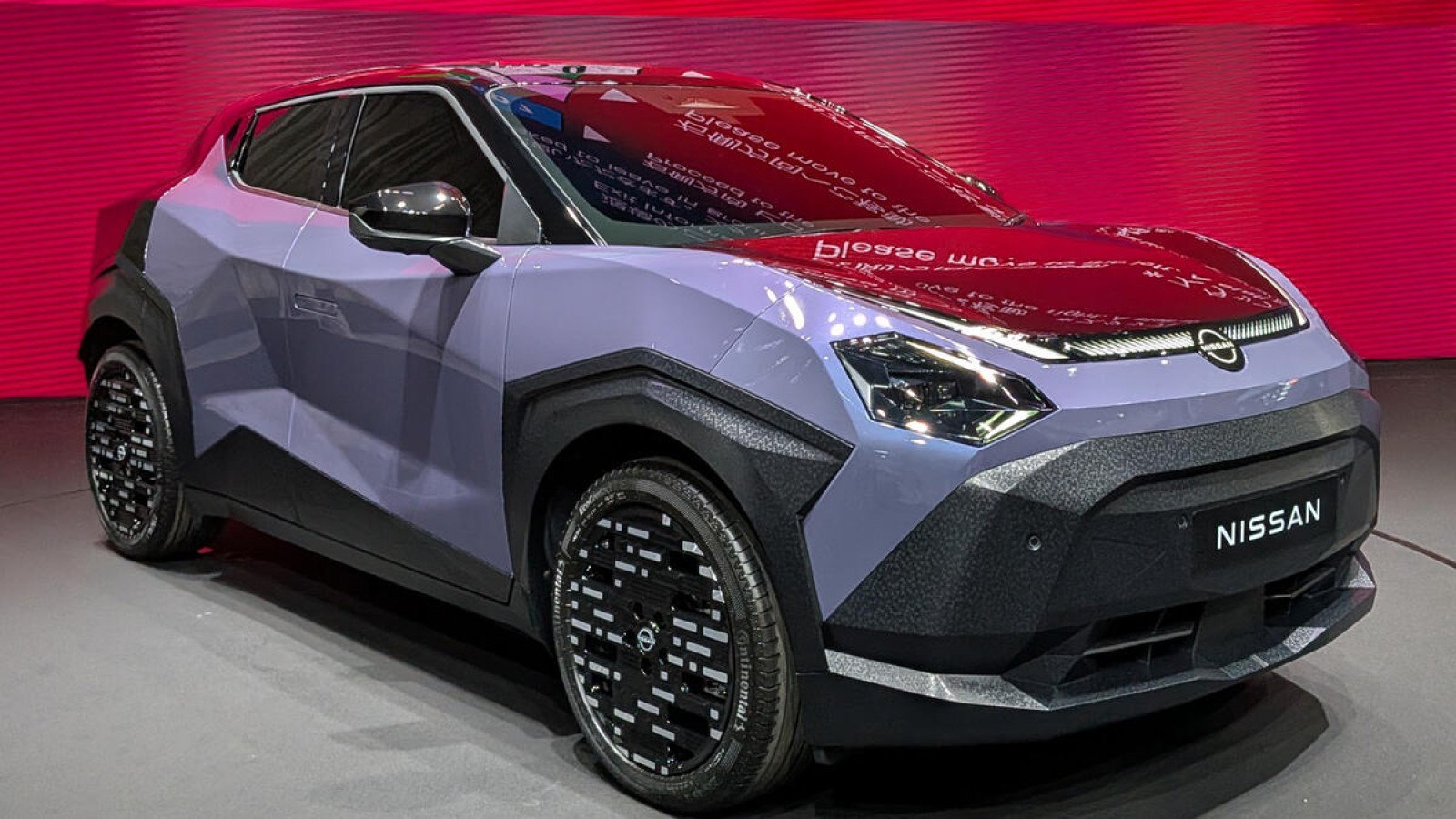
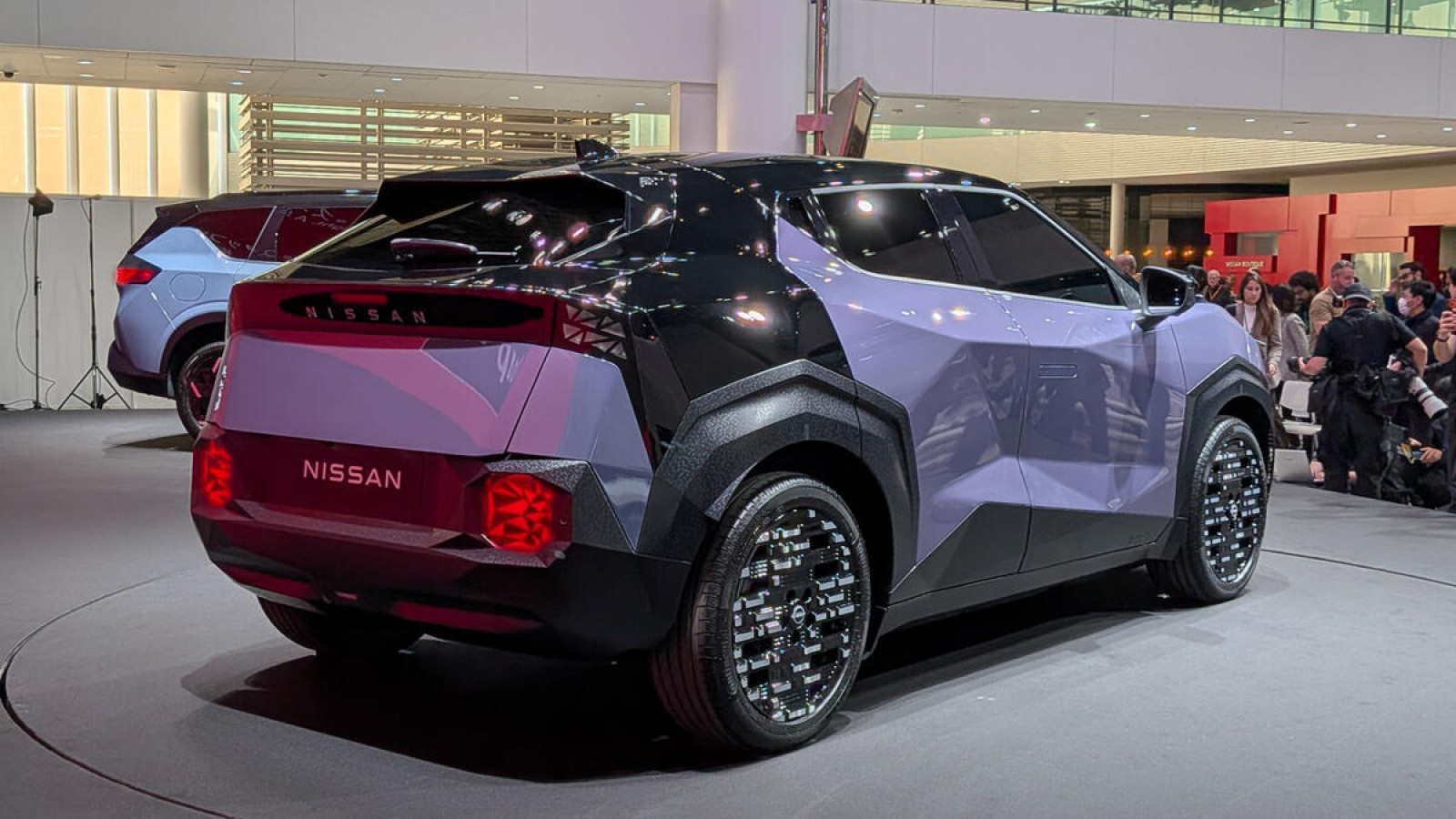
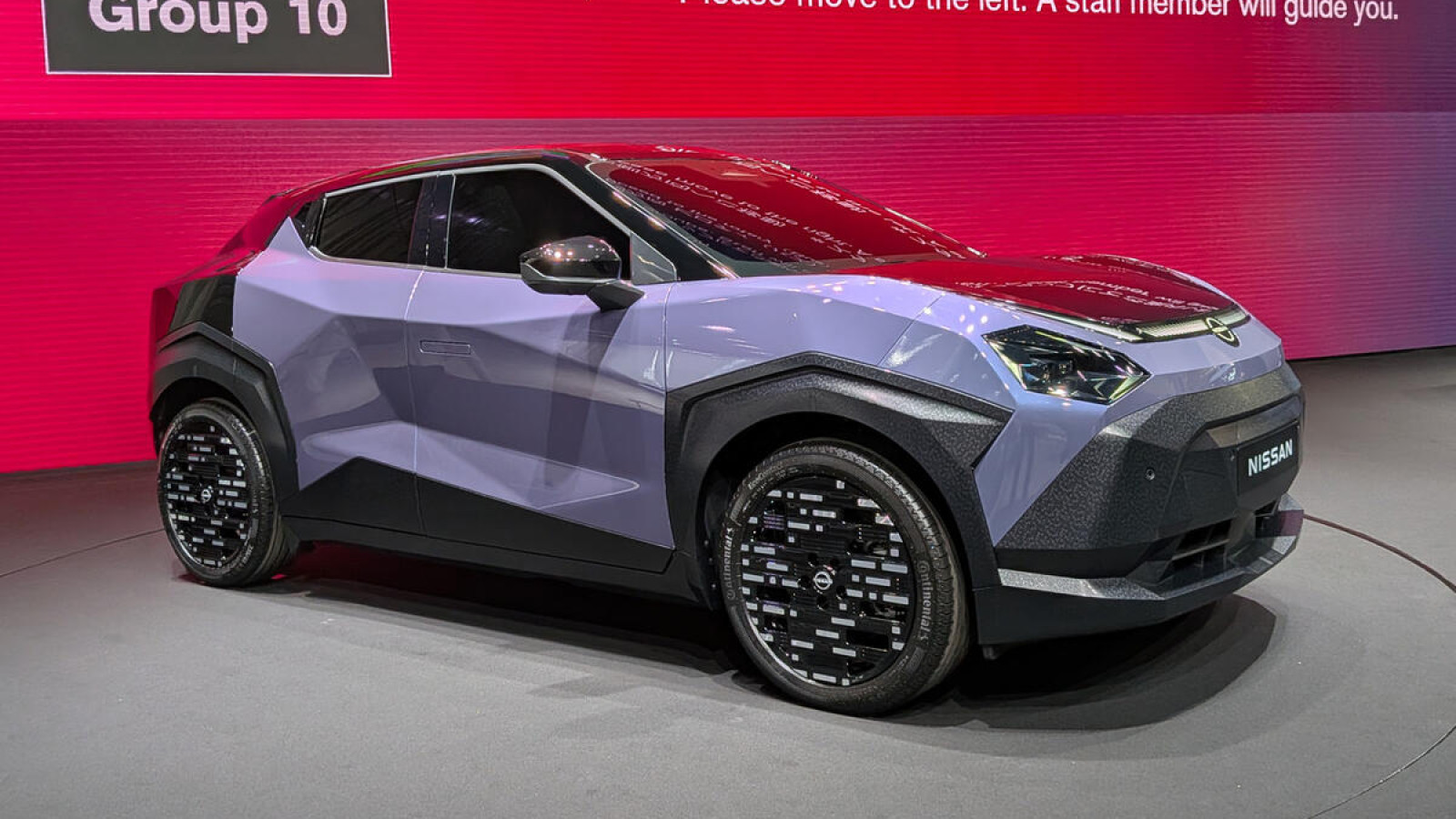
Nissan has revealed the new Juke, which introduces a radical new design and becomes the company’s third electric model.
Revealed at Nissan’s Vision Event in Japan, which previews its future cars, the new Juke will arrive in 2027 to tackle new rivals, including the Kia EV3 and Ford Puma Gen-E.
The new Juke is Nissan’s newest electric car, following the Leaf, which was recently transformed into a compact crossover, and the Micra, a small hatchback now based on the Renault 5.
Read on for all you need to know about the new all-electric Nissan Juke.
The new Juke ushers the compact crossover into its third generation. It’s based on Nissan’s CMF-EV platform, shared with the upcoming Leaf, and therefore will only be powered by batteries.
The Juke also introduces a completely new design for the model, with a unique light signature at the front and rear. Nissan says its visual look is a “reimagining” of the sculpted, distinctive design of previous Jukes, with styling that was previewed by 2024’s crazy Hyper Punk concept.
In terms of its design, the Juke has always divided opinion. Nissan says the new Juke “challenges convention” and that it will help the company reach new customers in the electric vehicle market.
Nissan hasn’t revealed specifications yet, but it’s very much anticipated to share the same figures as the new Leaf. That would mean a choice of a 52kWh or 75kWh battery, offering as high as 621km (386 miles) of range on a charge.
If the new Juke also shares the same front-mounted electric motor as the Leaf, it would produce 215bhp.
The new Juke was designed, engineered and developed in the UK, Spain and Germany, which Nissan said “underlines [its] long-term investment in Europe as both a production and innovation hub.”
Build trials at Sunderland, UK, will begin in the coming weeks, ahead of full production commencing in early 2027. Sales will then commence in the spring.
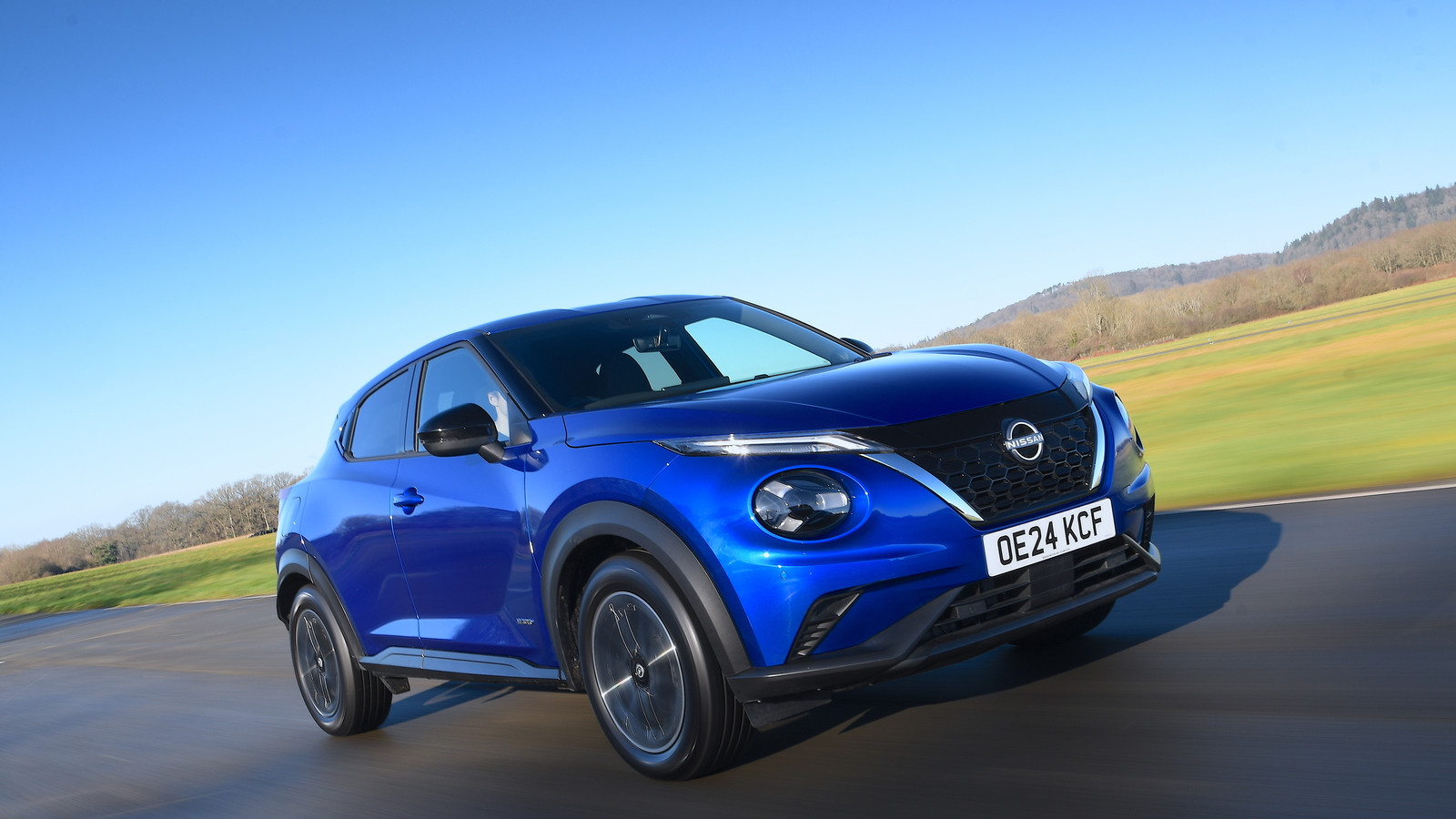
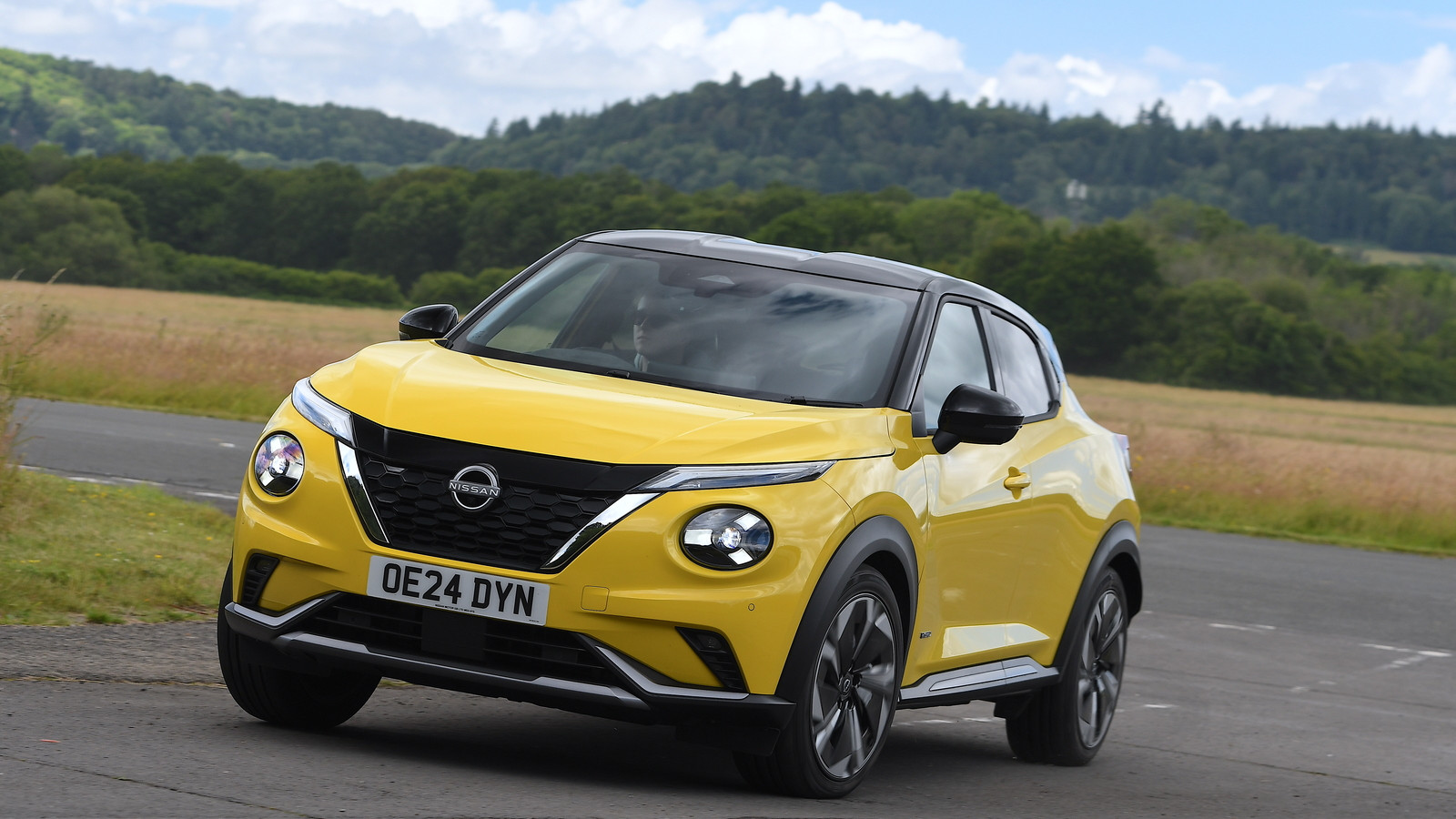
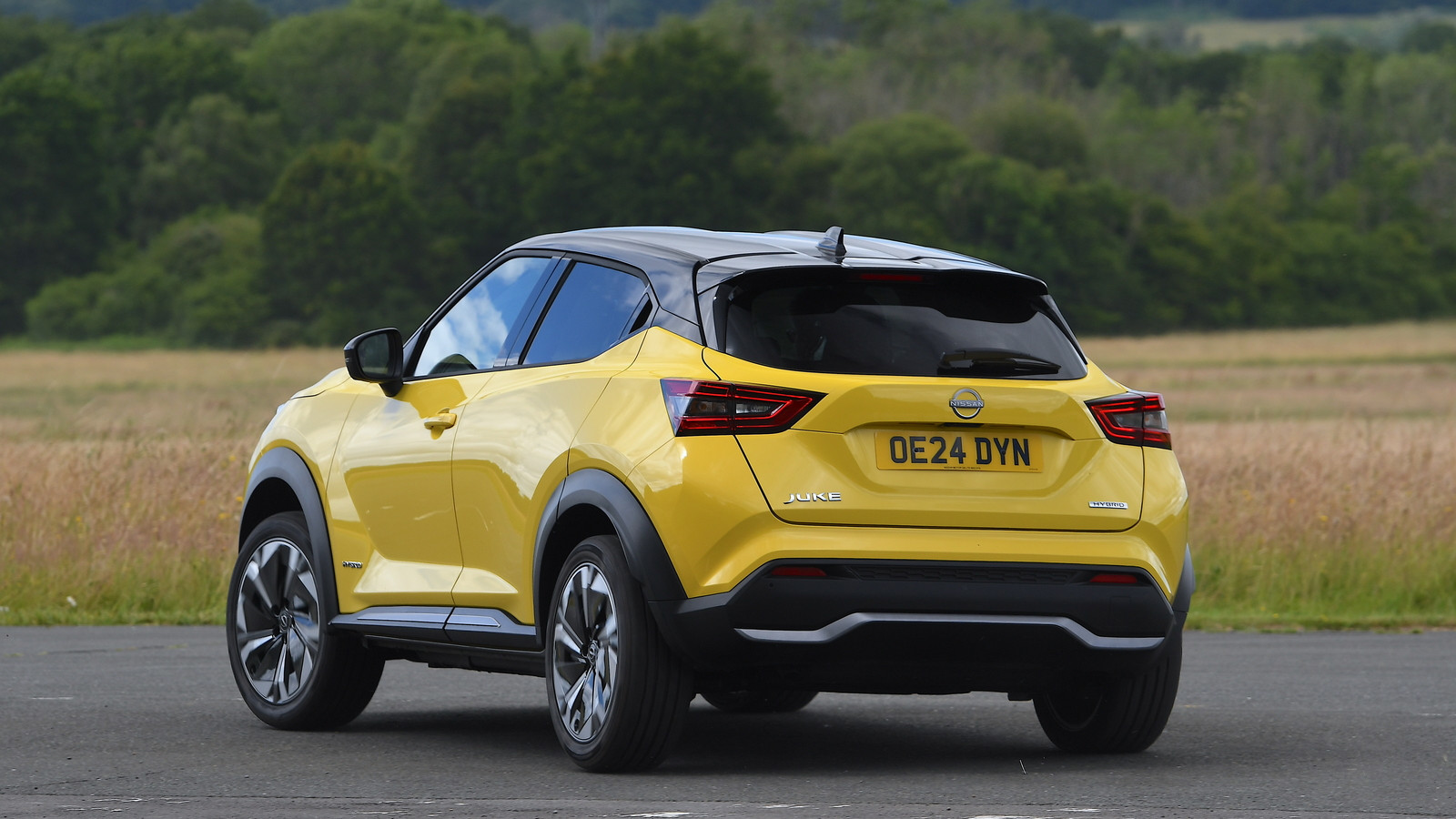
Nissan originally planned to replace the existing Juke with the new third-generation car you see here, but slower-than-expected EV sales growth made this move financially untenable. As a result, the current version will receive its own update, retaining its hybrid powertrain.
That said, Nissan Europe boss Massimiliano Messina was steadfast in confirming that the brand “remains firmly committed to a fully electric future", saying the decision to offer both powertrains brings “greater choice” to buyers while helping to “accelerate our transition to zero-emission mobility”.
Expected updates for the Mk2 Juke, which is also manufactured at Sunderland, are expected to concentrate on aligning its design with the Mk3. Its technology, now seven years old, is also due for a refresh.
Nissan Europe's R&D boss, David Moss, previously hinted that the new Juke could feature a bespoke chassis set-up that would help distinguish it from the technically identical Leaf and emphasise its more 'dynamic' character.
This differentiation is particularly relevant given that the Leaf has morphed from a hatchback into a crossover that's very similar in size to the Juke.
Nissan isn’t worried about the pair stepping on each other’s toes, however. Its chief performance officer, Guillaume Cartier, told Autocar previously that their buyers "are a totally different profile, with nothing in common” because they occupy completely “different customer bubbles”.
He said that the Juke is a “Marmite” car and one that “will not be compared to anything else”.