
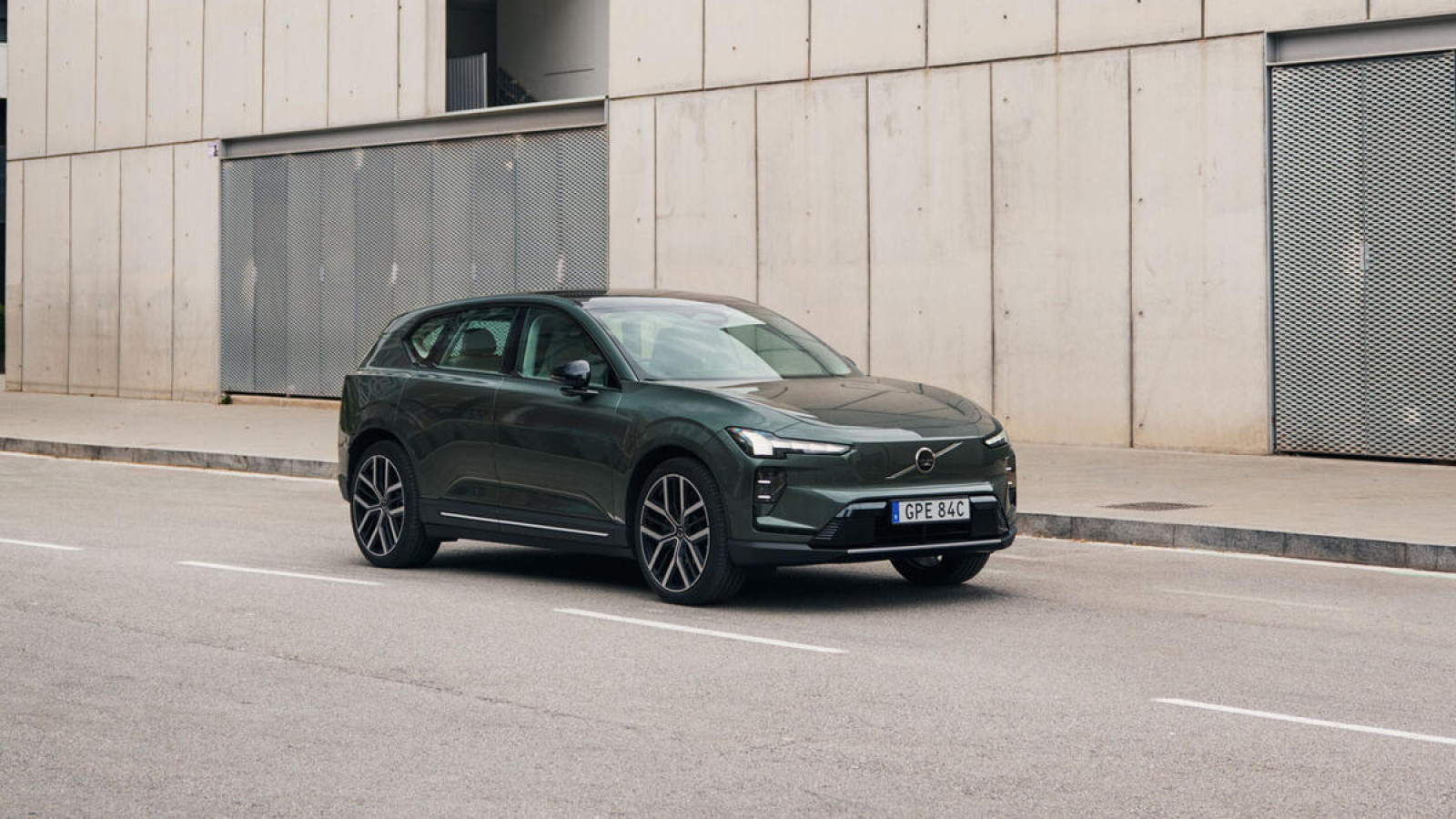
One all-important new car on a brand-new platform from a major European manufacturer is big news; three of them are a sign of a generational shift.
At the start of the year, the BMW iX3 made all of its rivals look like amateurs, but instead of having the premium medium-sized corner of the electric SUV market to itself for the foreseeable future, it’s now facing two fierce opponents.
First, there came the Mercedes-Benz GLC Electric with very competitive specs. Now, Volvo is staking its claim with the Volvo EX60. These combine into what could be the most important group test of 2026.
The importance of these cars is not to be understated. The small executive saloon (aka BMW 3 Series rival) has had a good run, but the circa-4.8-metre-long electric SUV is quickly taking its place.
To the EX60, then. It’s Volvo’s electric alternative to the extremely popular XC60 SUV, and boasts some seriously impressive statistics, including a range of over 500 miles and super-fast charging.
We’ve driven it to see if it’s really as good as the numbers suggest, so read on for our full, in-depth verdict.
The EX60 is a significant car for Volvo, being the electric equivalent of the brand’s best-selling model ever, the XC60, which continues to draw crowds into Volvo showrooms. Not that the EX60 shares much at all with the ICE XC60, of course, because that’s not how you make a competitive EV in 2026.
Instead, it’s the debut of the SPA3 platform. If you haven’t been following along with all the acronym stuff, SPA2 was the base for the Volvo EX90 and Polestar 3 and had a rocky rollout, feeling unfinished at launch and plagued by issues. SPA3 is supposedly an evolved, fixed version.
Almost everything is new, starting with the battery. In the EX60, battery and motor options are tied together, not for any technical reasons but to make the model range a bit simpler. So the smallest battery, measuring 83kWh, always comes with a single 369bhp rear motor in the P6 for up to 611km (380 miles) of range. Then comes the P10, with a 95kWh battery and dual motors.
Power totals 503bhp, with a range of up to 659km (410 miles). Finally, the P12 uses the same dual motors, but the battery measures a sizeable 117kWh, which can provide more power to the motors. As a result, combined output increases to 671bhp, with up to 809km (503 miles)/
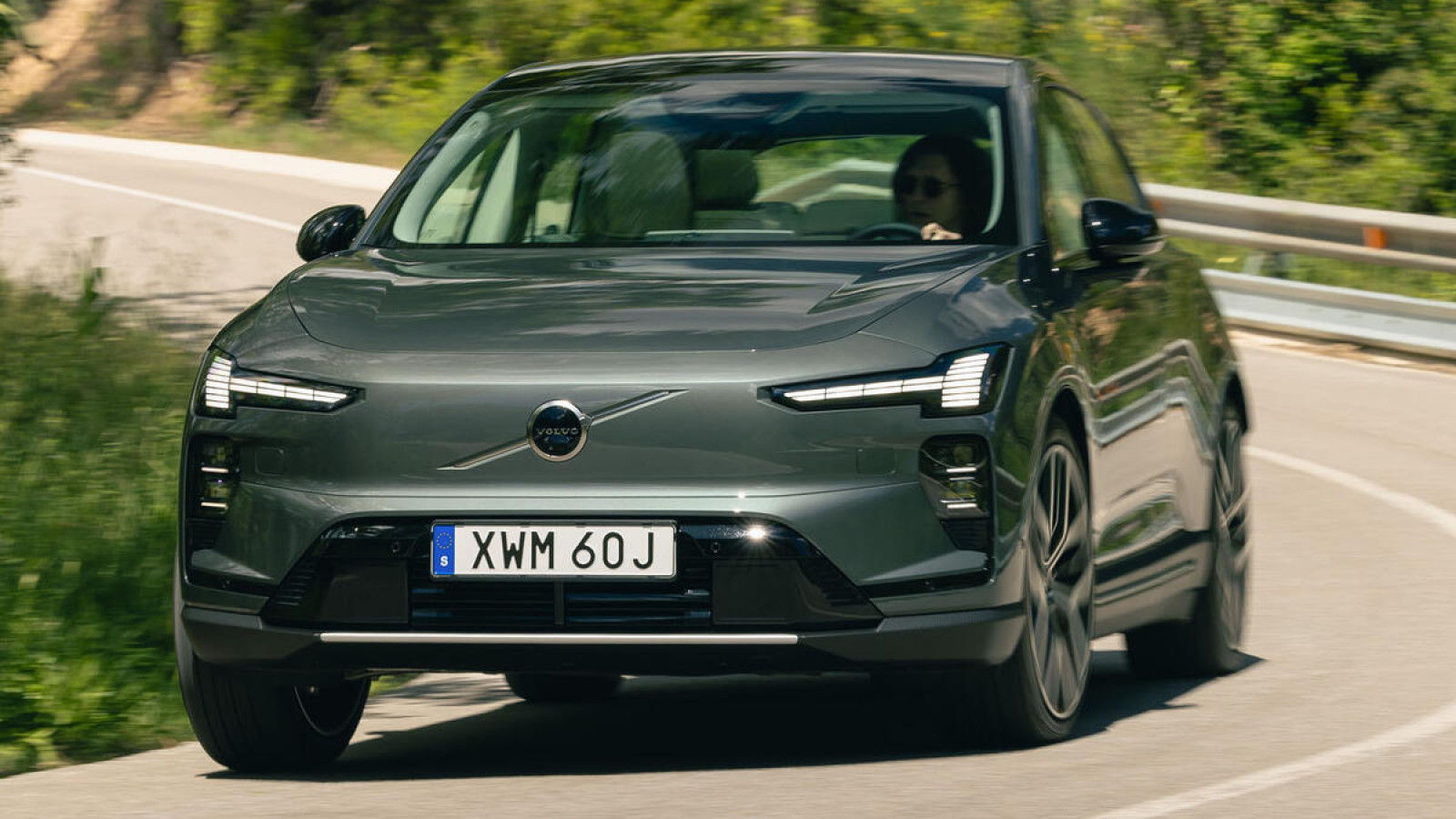
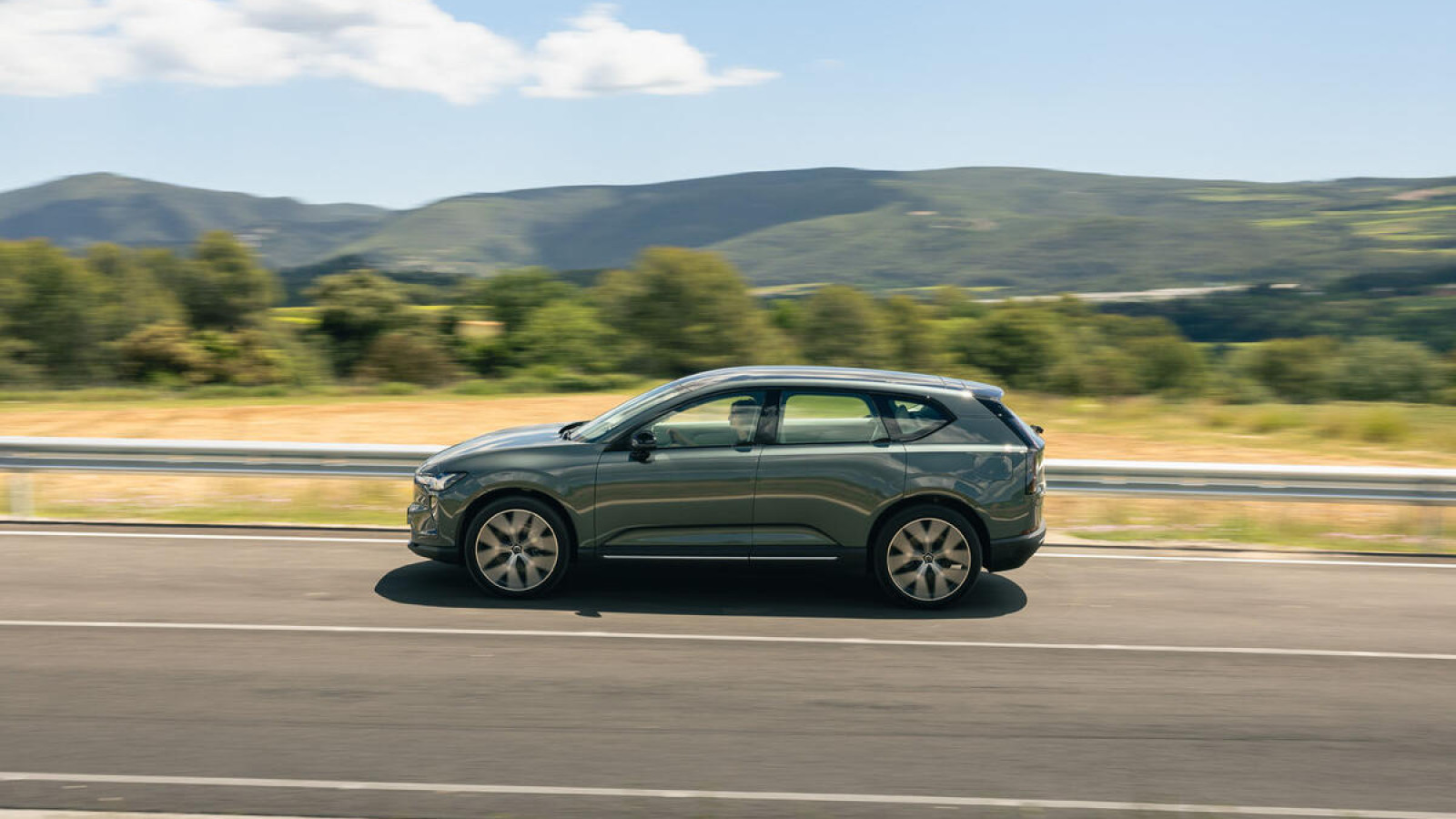
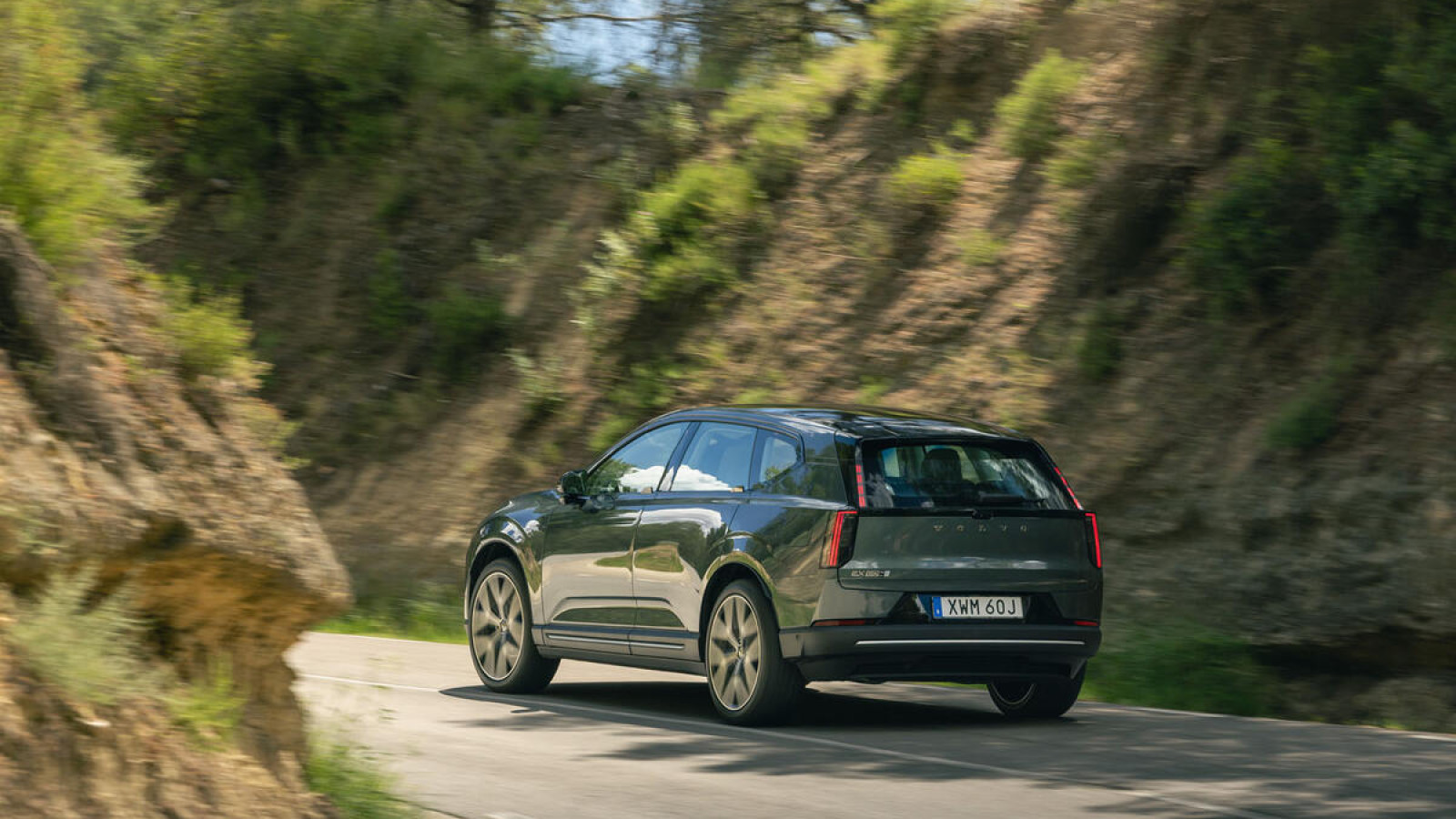
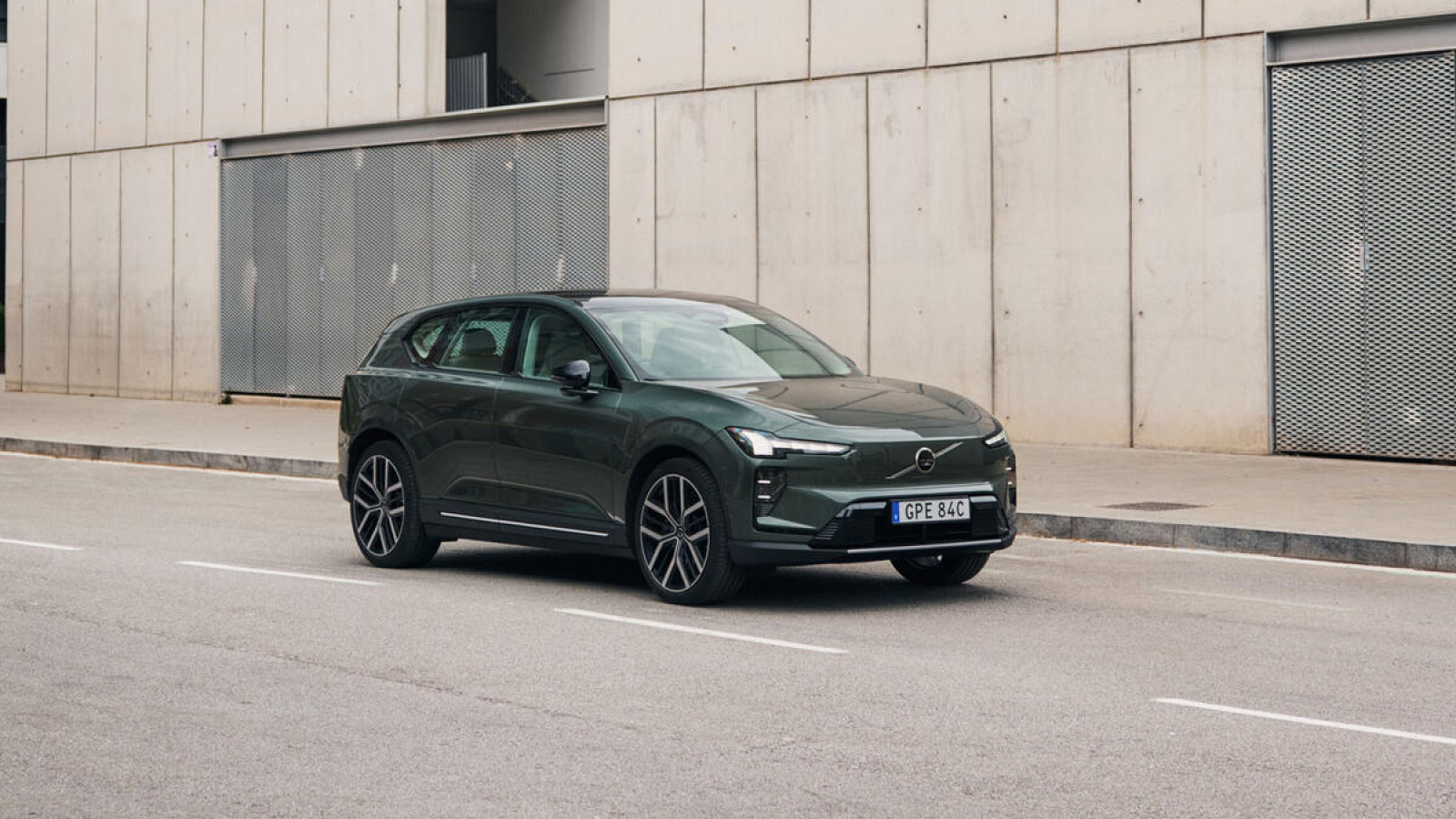
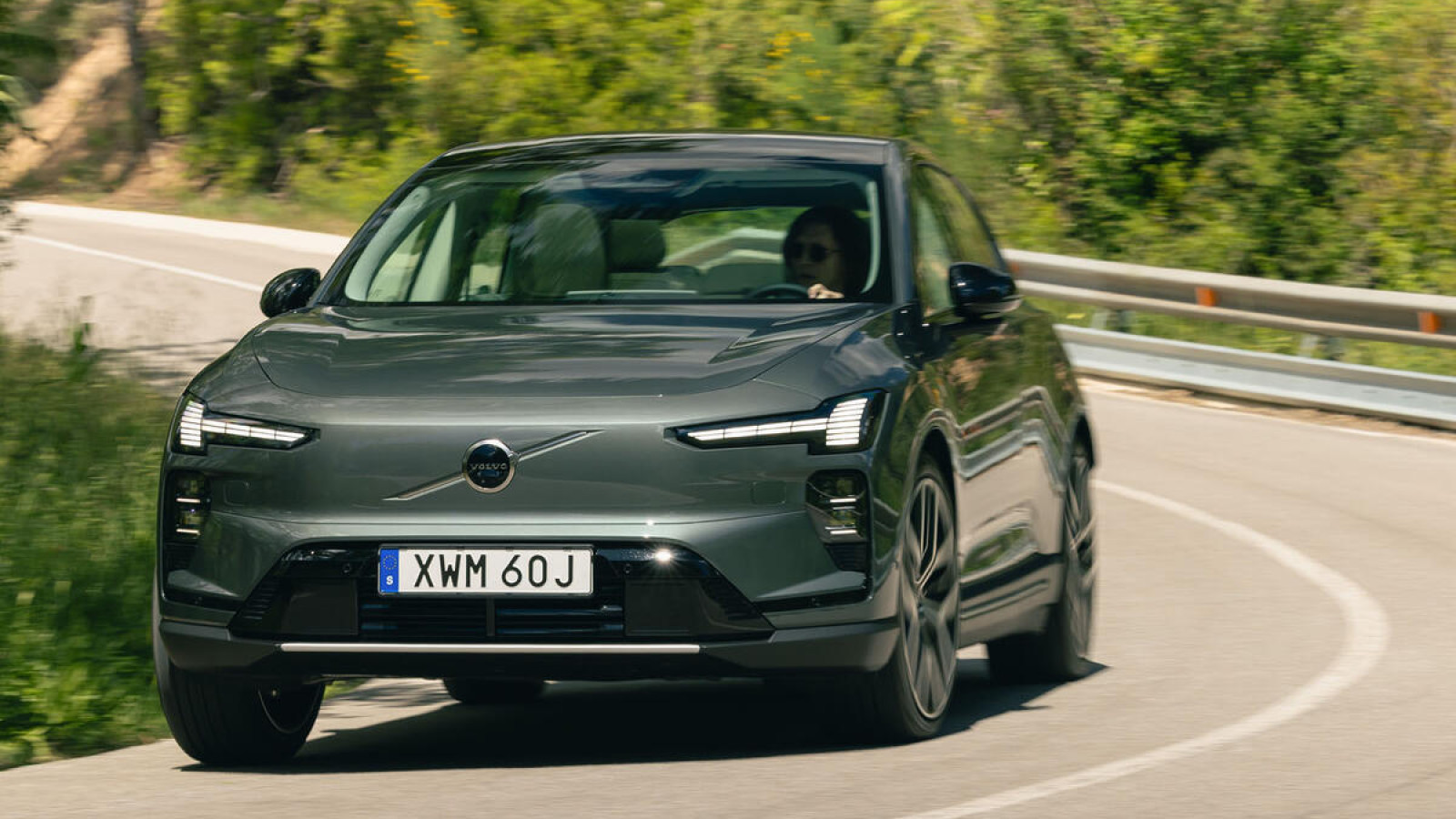
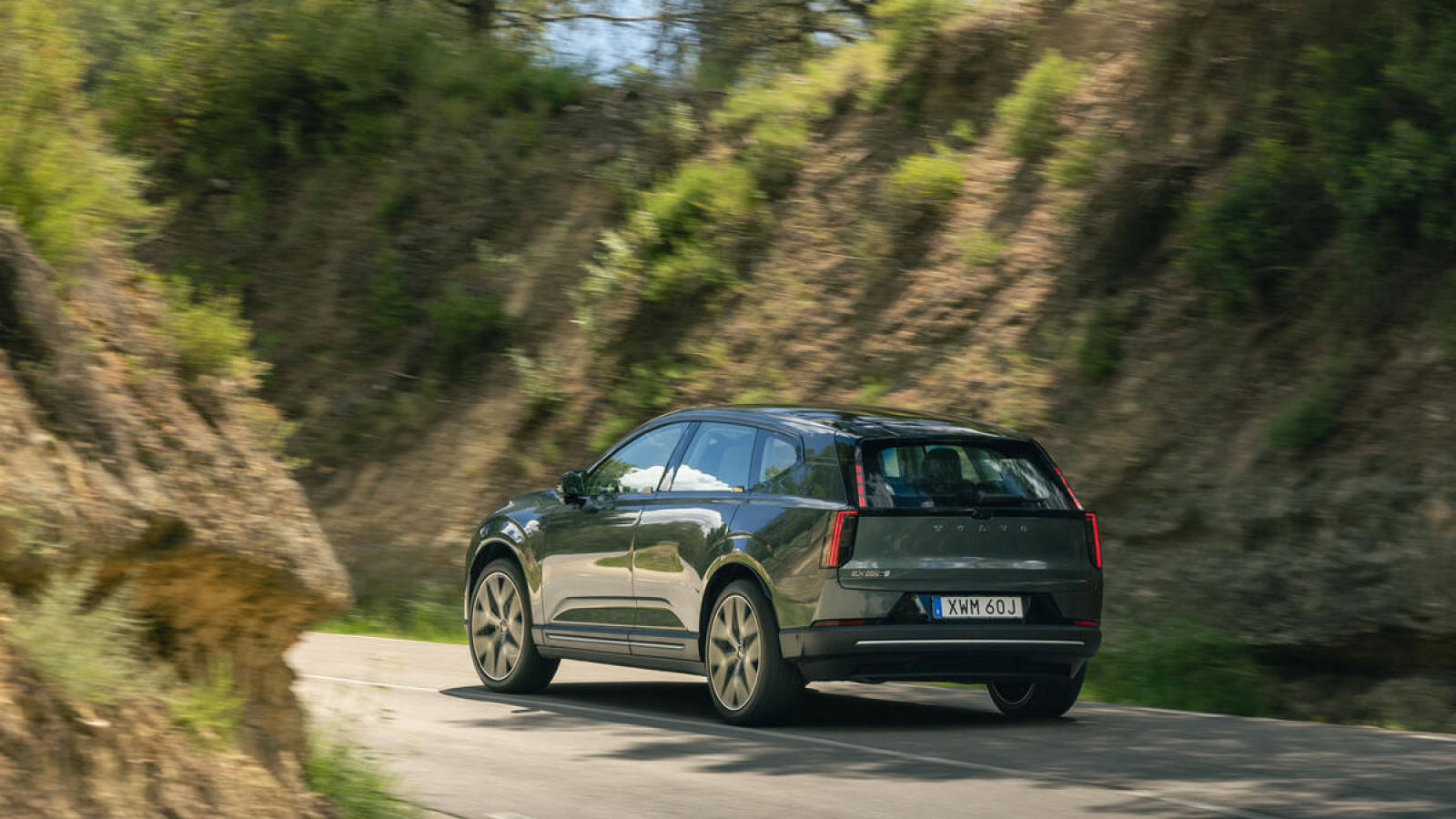
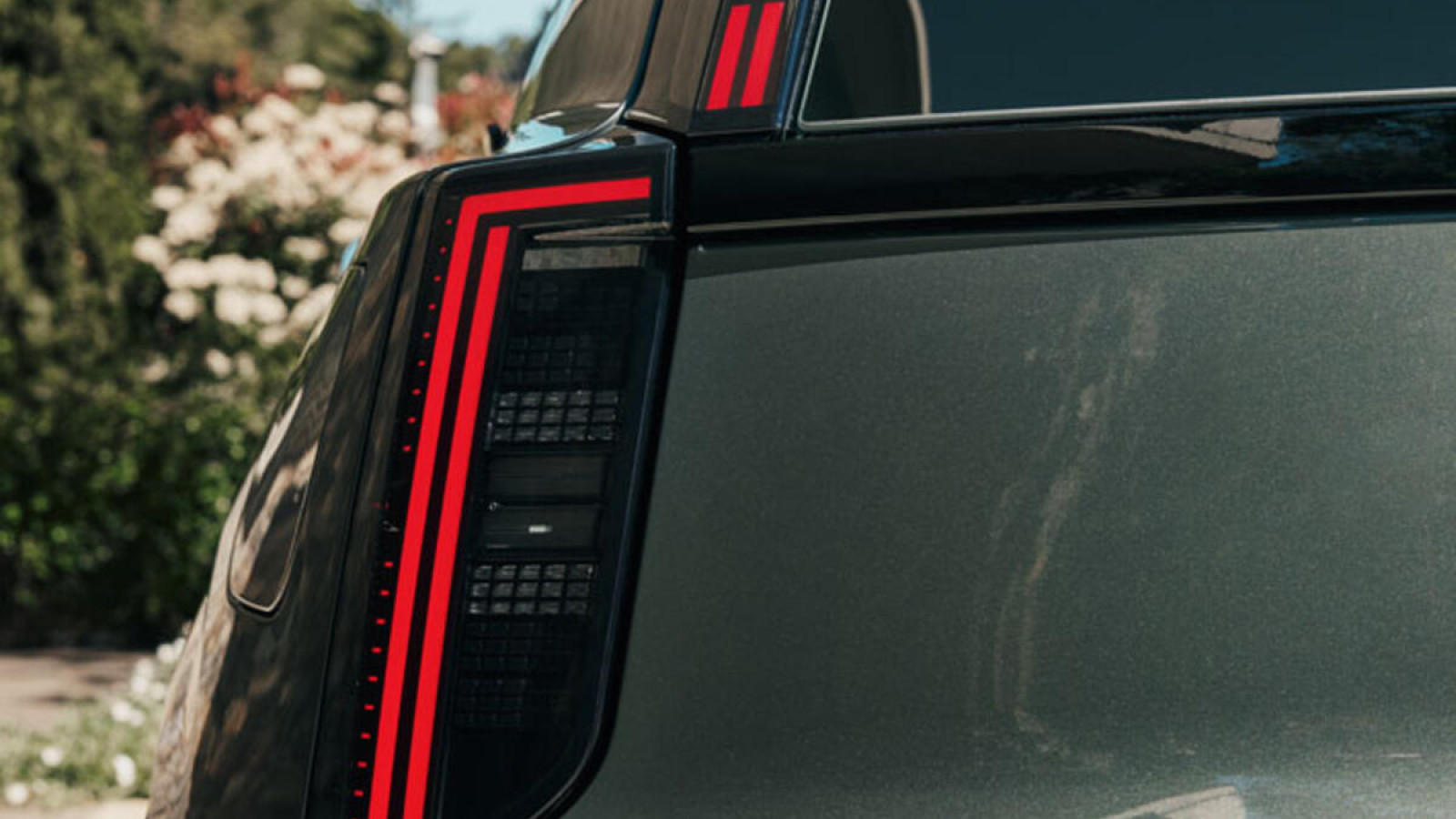
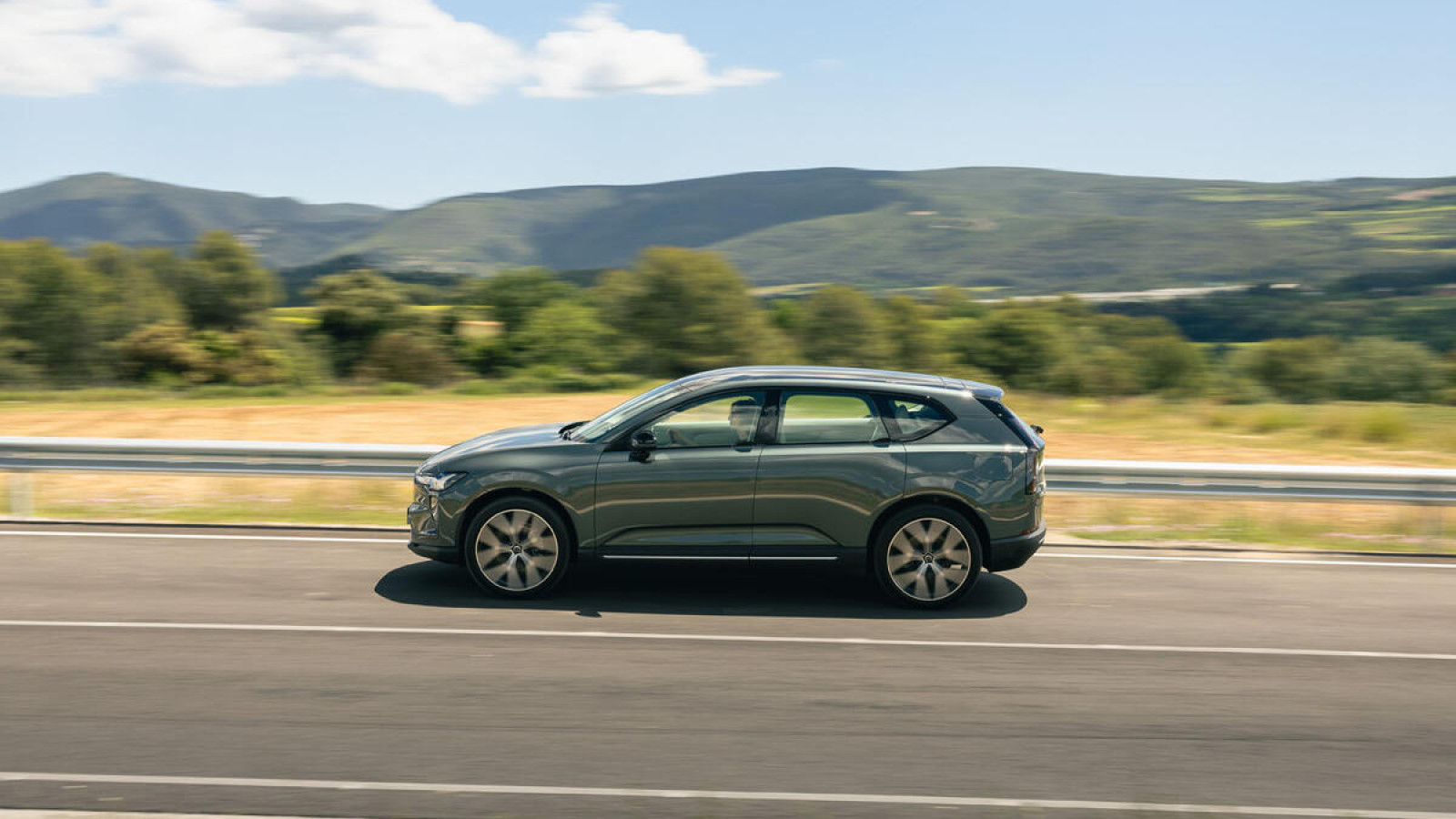
It’s all wrapped up in a package that builds on the design language we have already seen on the EX30 and EX90, with big ‘Thor’s hammer’ daytime-running lights (the main beams are hidden underneath), big wheels and clean lines. However, compared with the EX30 and EX90, the lines are sharper; the angular shoulder line is particularly pronounced.
Pleasingly, it’s a traditional SUV shape, rather than pretending to be a coupé. It doesn’t try to be weird or edgy just because it’s an EV. The EV-ness does come through in how tall the body is relative to the glasshouse (they had to hide the battery pack somewhere), but thankfully, this isn’t as obvious in the metal as it is in pictures.
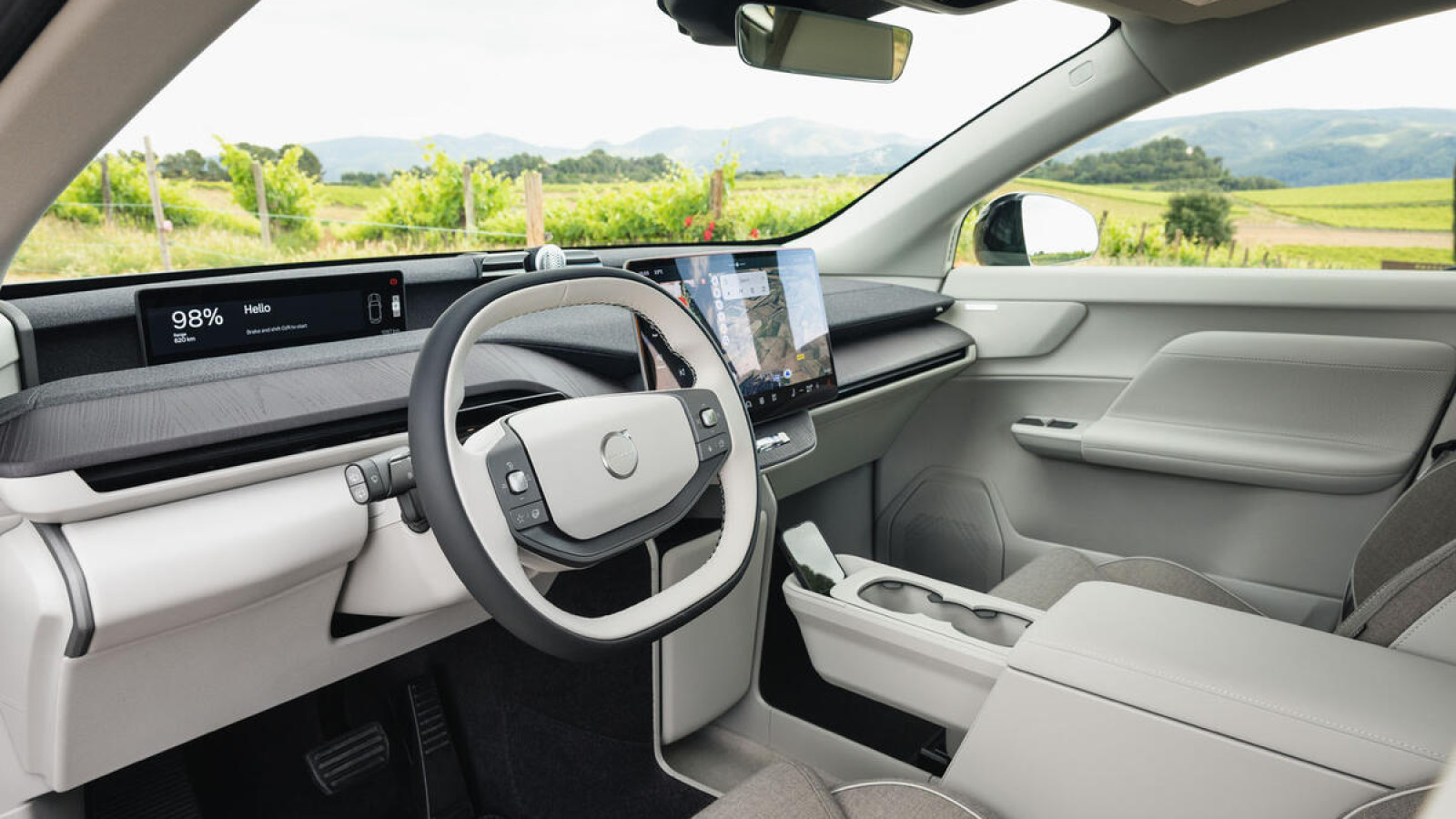
Inside, it’s a similar story to the design and engineering: the EX60 doesn’t break with the style and philosophy of the EX90, but it’s obvious that Volvo has learned some lessons. It’s still clean and minimalist, so it does appear a little plain at first glance, but actually there’s a fair bit of detail to drink in. The EX60 doesn’t feature wall-to-wall digital screens and is all the better for it.
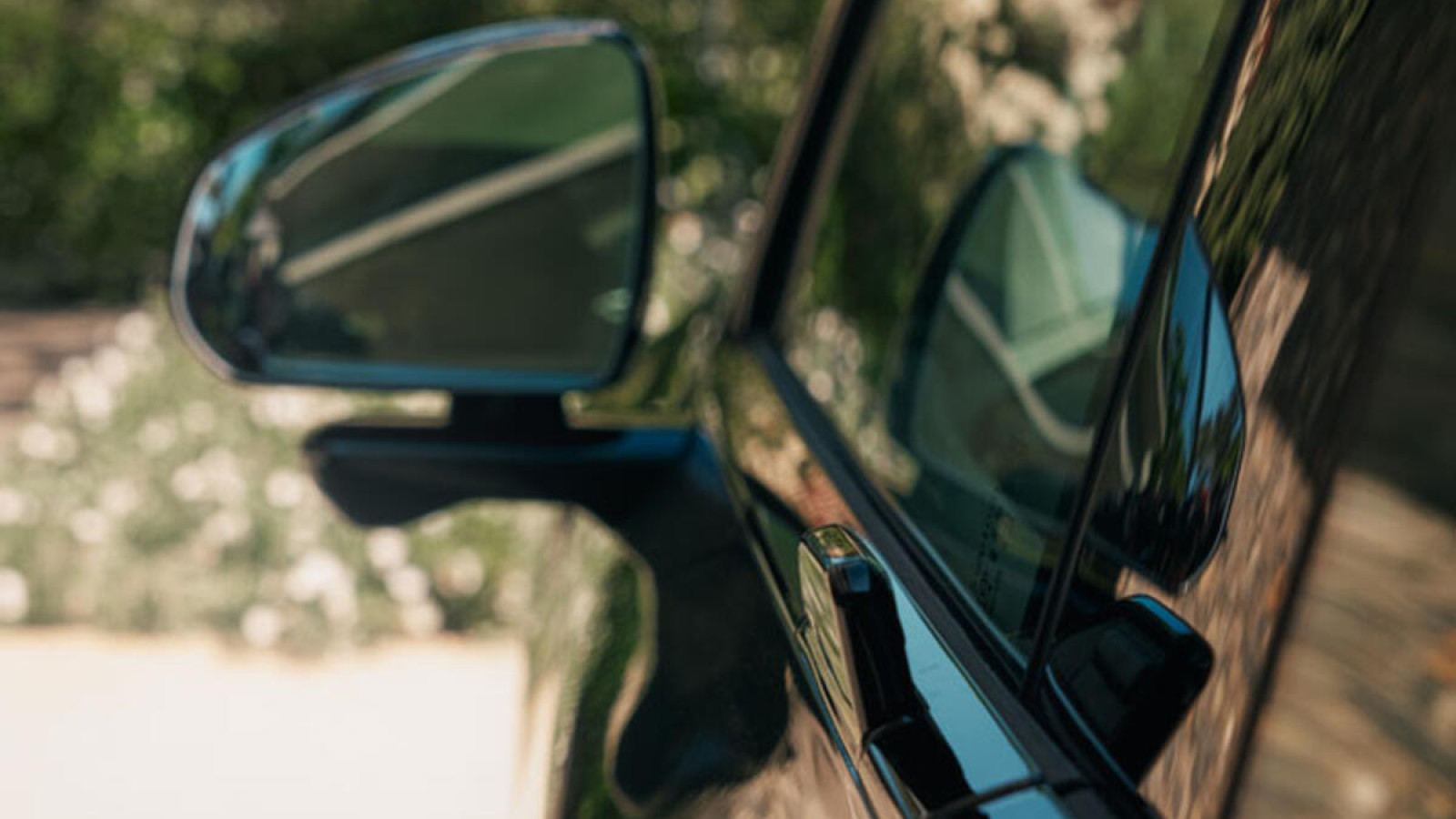
The flowing layers of wood, fabric, and leather-like materials give a much homier atmosphere than any recent Mercedes, and the perceived quality is a cut above BMW’s. There are lots of storage cubbies and shelves to discover and the central glovebox is opened using a mechanical button instead of a touchscreen. More outbreaks of common sense come in the form of four window switches and proper buttons on the steering wheel. Annoyingly, you still adjust the steering wheel and mirrors using the touchscreen and the steering wheel buttons, but Volvo is on the road to recovery here.
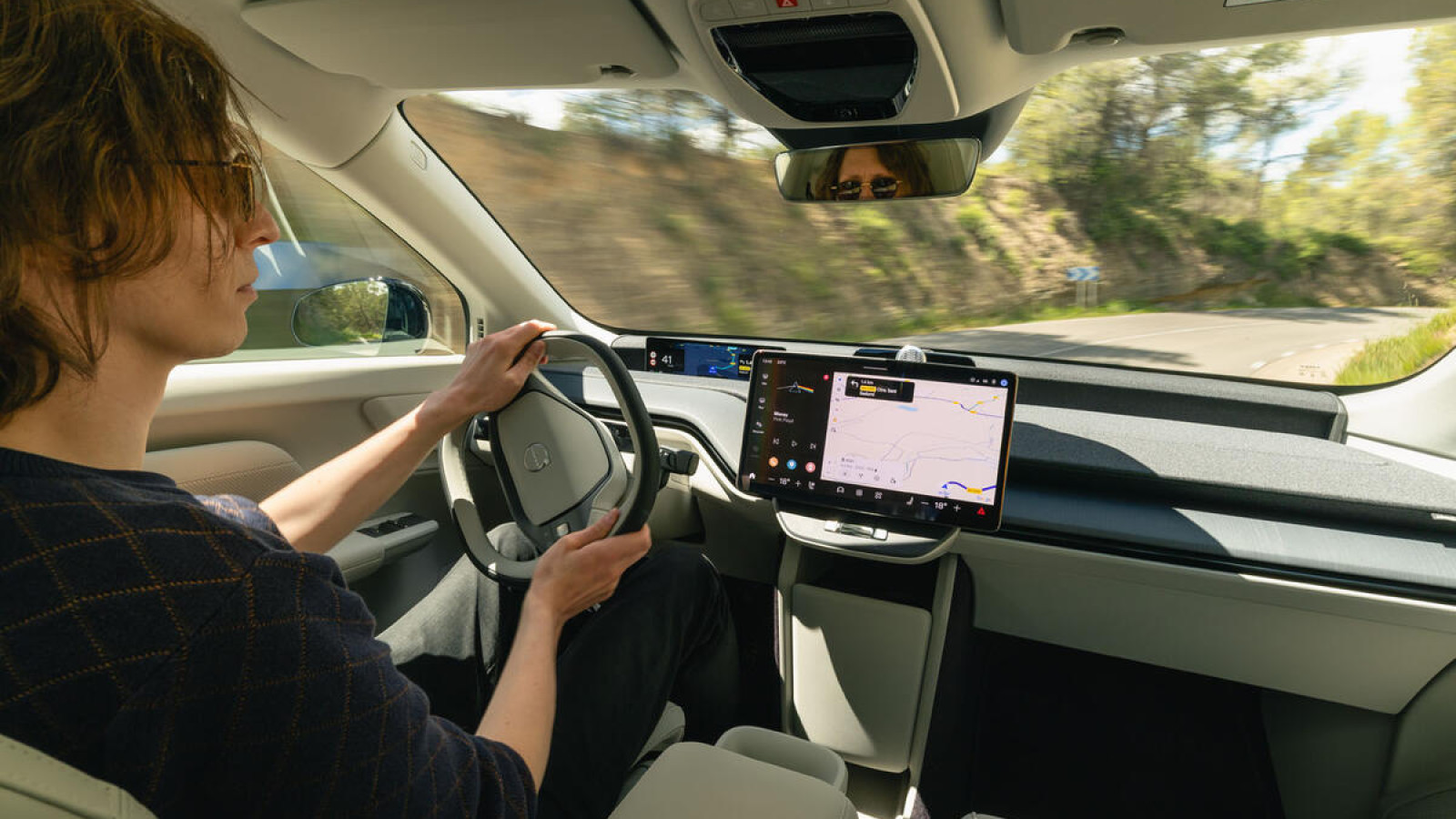
While we’re on the topic of screens and wheels, the steering wheel is small and a slightly weird shape (but pleasing enough to hold), because you look over the top of it at the driver’s display. Like in the iX3, the display is set at the end of the dashboard, which works really well, because it reduces the need for your eyes to refocus from the road and makes a head-up display redundant.
Unlike on all Volvos of the past 10 years, the big central touchscreen is in landscape orientation, because Volvo has finally realised that it’s the standard for a good reason: it leaves more space to have permanent controls for the climate and a few shortcuts. Its software is a development of the EX90’s, working quickly and more logically and giving easy access to the stuff you need frequently.
The home screen could do with a bit more configurability, but that’s apparently coming at some point down the line. Apple CarPlay and Android Auto will arrive weeks after launch. Volvo is quite proud of the Google Gemini AI-powered voice assistant, which works well for finding navigation destinations, chargers and the like but still has some way to go before it can help you with finding the car’s more obscure settings or more complicated queries.
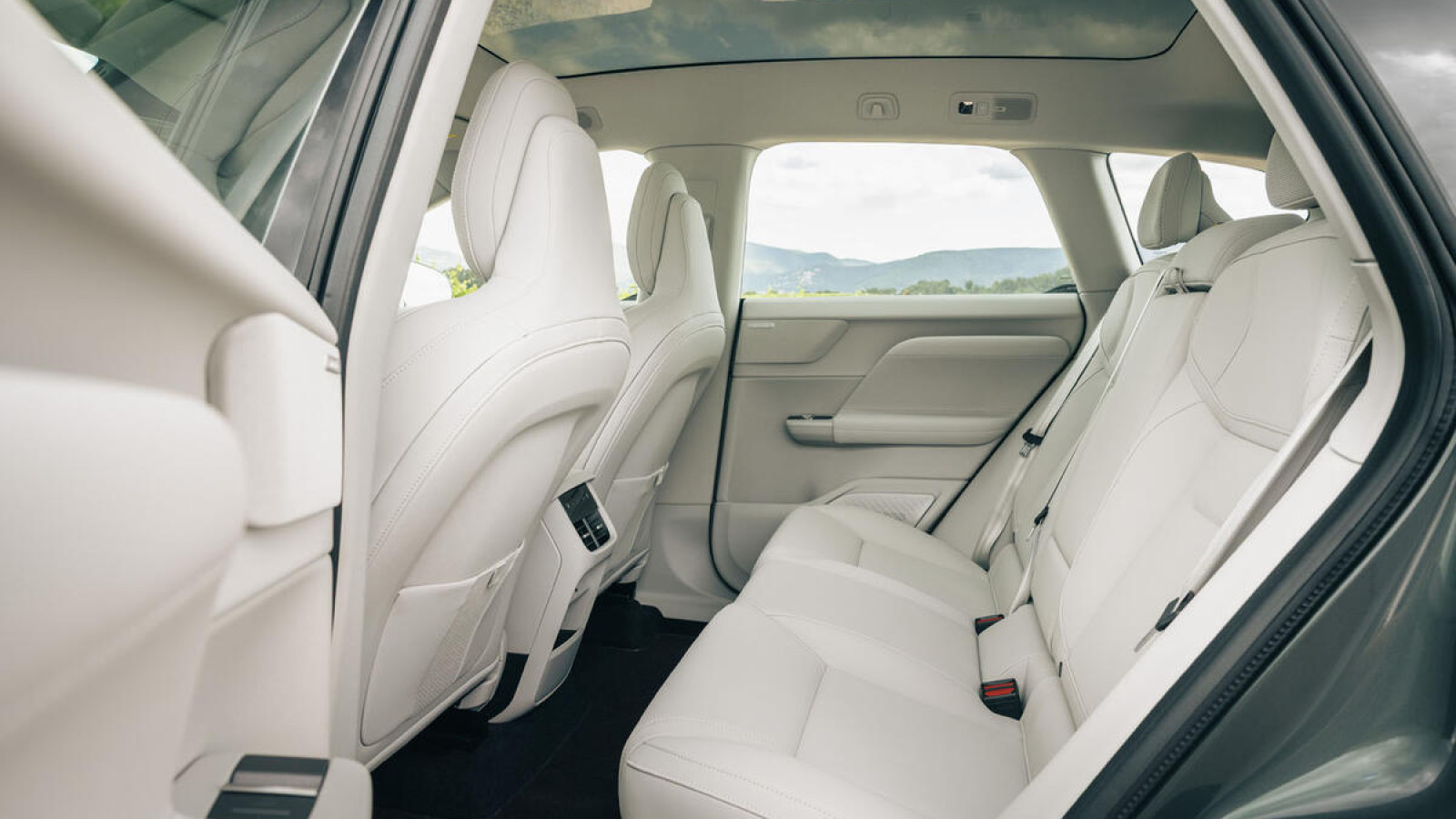
Even more impressive is the spaciousness of the EX60’s interior, both perceived and measurable. Volvo offering light colours and fitting a glass roof as standard helps, and all that structural engineering has paid off in various ways. To start, the floor (which is literally the top of the battery) feels relatively low, so the seating position in both rows is nice and natural, while the boot is fairly low too, with a big well at the back. And there’s a frunk, albeit not a huge one, of 58 litres.
Nestle into the typically outstanding seats (which come as standard) and you simply have to put your foot on the brake and pull the drive selector stalk into Drive to go. That’s the idea, anyway. The phone-as-a-key that came with my test car had to have its Bluetooth turned off and on again before the car would recognise it. Volvo blames Apple and does give you a plastic puck and a card as a back-up, but it’s disappointing that one of the most vexing problems of the SPA2-platform cars still persists. A proper key is coming later, but that really should have been job one – not an afterthought.
Thankfully, things quickly improve, because the EX60 drives exactly as you would want a Volvo to: quiet, serene and quick when you need it to, without tugging at the leash. You adjust the regenerative braking and toggle the automatic gearbox-style creep function in the screen rather than with paddles, but there’s something for everyone and every setting is smooth and progressive, with no quirks. The single-motor P6 is usefully quick and the dual-motor P10 is push-you-back-in-your-seat fast without being overwhelming. Both versions seem impressively efficient too.
I didn’t get to drive the P12, but its 671bhp might be a bit excessive. After all, I wouldn’t call the EX60 a driver’s car. The engineers say they were aiming for something predictable, controllable and comfortable and, based on the versions I’ve driven, I’d say they achieved that. The steering is light and filtered, giving no feedback to speak of, but it’s measured, precise and consistently weighted.
Meanwhile, there’s lots of grip, not much roll and a fundamentally neutral balance, even though the overly cautious traction control system does its best to smother it. In short, you can absolutely make satisfyingly quick progress on a twisty road, but the iX3 is more involving – which seems like appropriate BMW-Volvo relations, particularly if the EX60 rides well.
Which, on initial evidence, it does. Spanish roads can flatter to deceive but, particularly on the adaptive dampers, the ride felt quiet and flat, with very good bump absorption. The passive suspension was a little more prone to being tripped up by rough roads but still felt settled enough. The engineers did actually do ride tuning in the UK, because they realised that if it works here, it will work anywhere, so I am getting my hopes up.
Note that I haven’t talked about the advanced driver assistance systems yet. That’s because they’re fine. Disabling the overspeed warning is a one-button thing, the driver monitoring and lane keeping assistance leave you alone unless they have actual cause to intervene and the adaptive cruise control works how you would expect. It really feels like we’re now emerging on the other side of the ADAS hellscape, and I didn’t expect to be doing it in a Volvo.
Prices start from £56,860 (€66,000) for a single-motor P6 in Plus trim, which is already very well-equipped. Ultra trim, which gets you the excellent Bowers & Wilkins audio system, electrochromatic dimming for the panoramic roof and adaptive headlights, comes at a hefty premium of almost £6000 (€7,000).
At just £3000 (€3,500) more, the P10, with its bigger battery and dual motors, seems like better value. Another £5000 (€5,800) on top of that gets you the 809km (500-mile) range, 671bhp P12, but you’ll have to wait until next year. The P10 is expected to be the biggest seller, and while its 660km (410 miles) make it less rangey than the iX3 50 despite costing only slightly less when specced similarly, the Volvo is quite a bit cheaper on finance.
The P6 has a WLTP range of 612km (380 miles) and charges at up to 320kW; the P10 does 660km (410 miles) and charges at up to 370kW; the P12 does 810km (503 miles) and charges at up to 370kW. On the launch test drive, I saw 4.0mpkWh from the P6 and 3.6mpkWh from the P10, which suggests an impressive real-world range of 515–530km (320–330 miles) for both.
We’re very impressed with the EX60, because apart from the key problem and the dearth of physical buttons, I’m struggling to seriously find fault with the EX60, and that’s with the game-changing BMW iX3 fresh in my memory.
That feels like a big moment, because after years of Volvos that were good-looking and ambitious but ultimately frustrating and flawed, it’s very satisfying to get into one that genuinely impresses.
The big questions are whether Volvo has got a handle on reliability and whether the ride quality holds up in the UK. But based on this first drive, I can’t wait for the iX3 and GLC Electric triple test, because I wouldn’t want to bet on the result.