
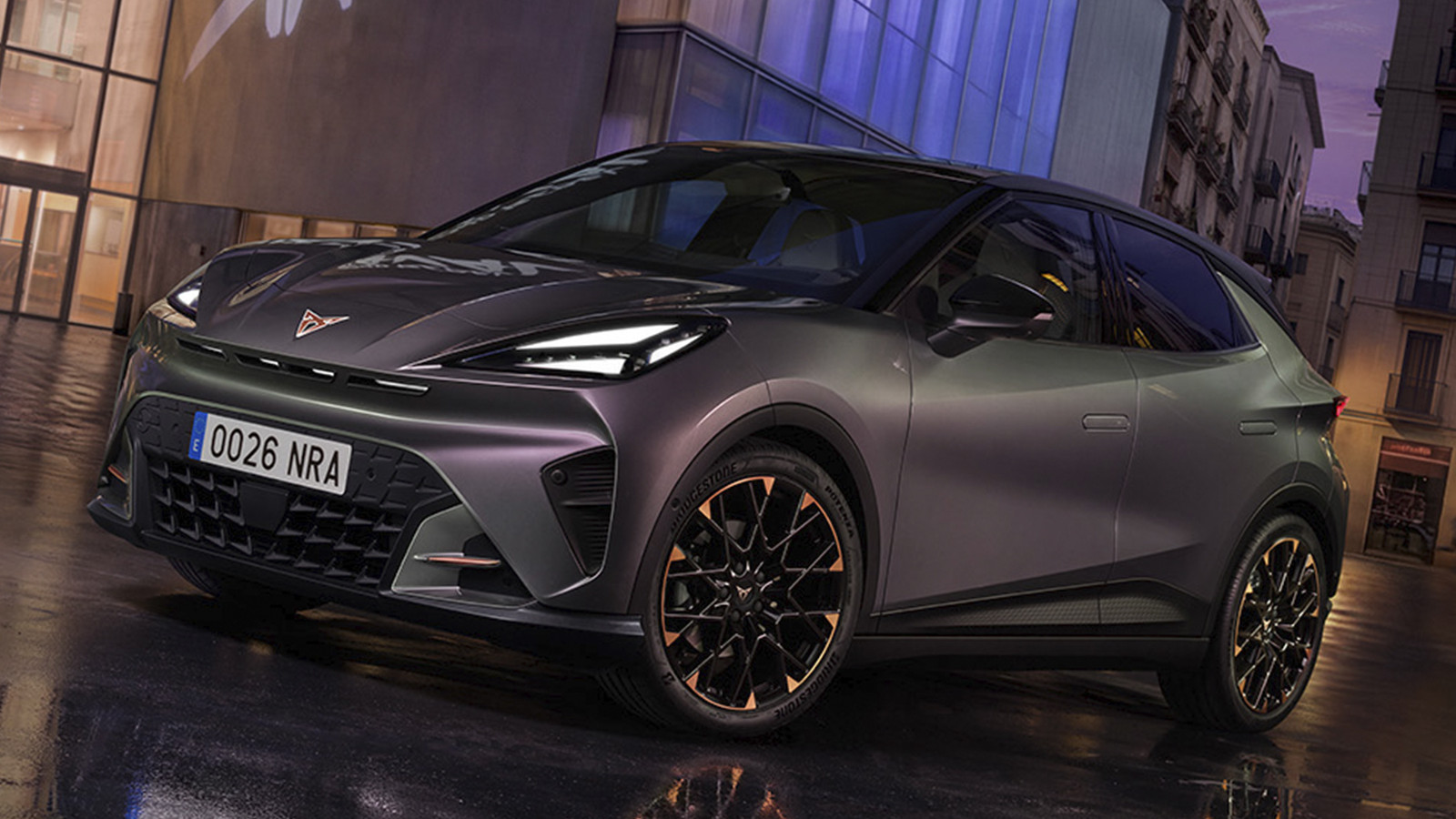
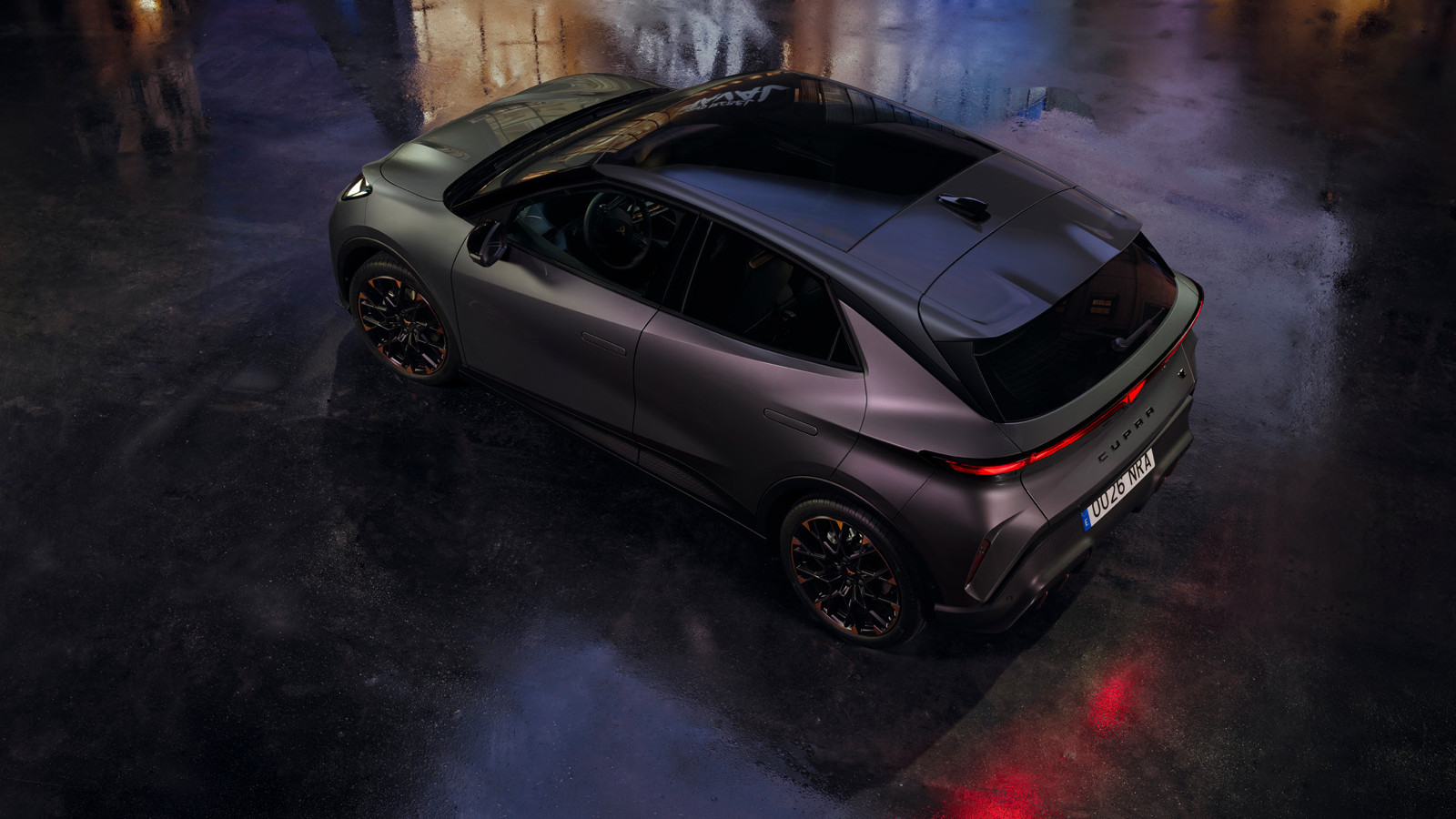
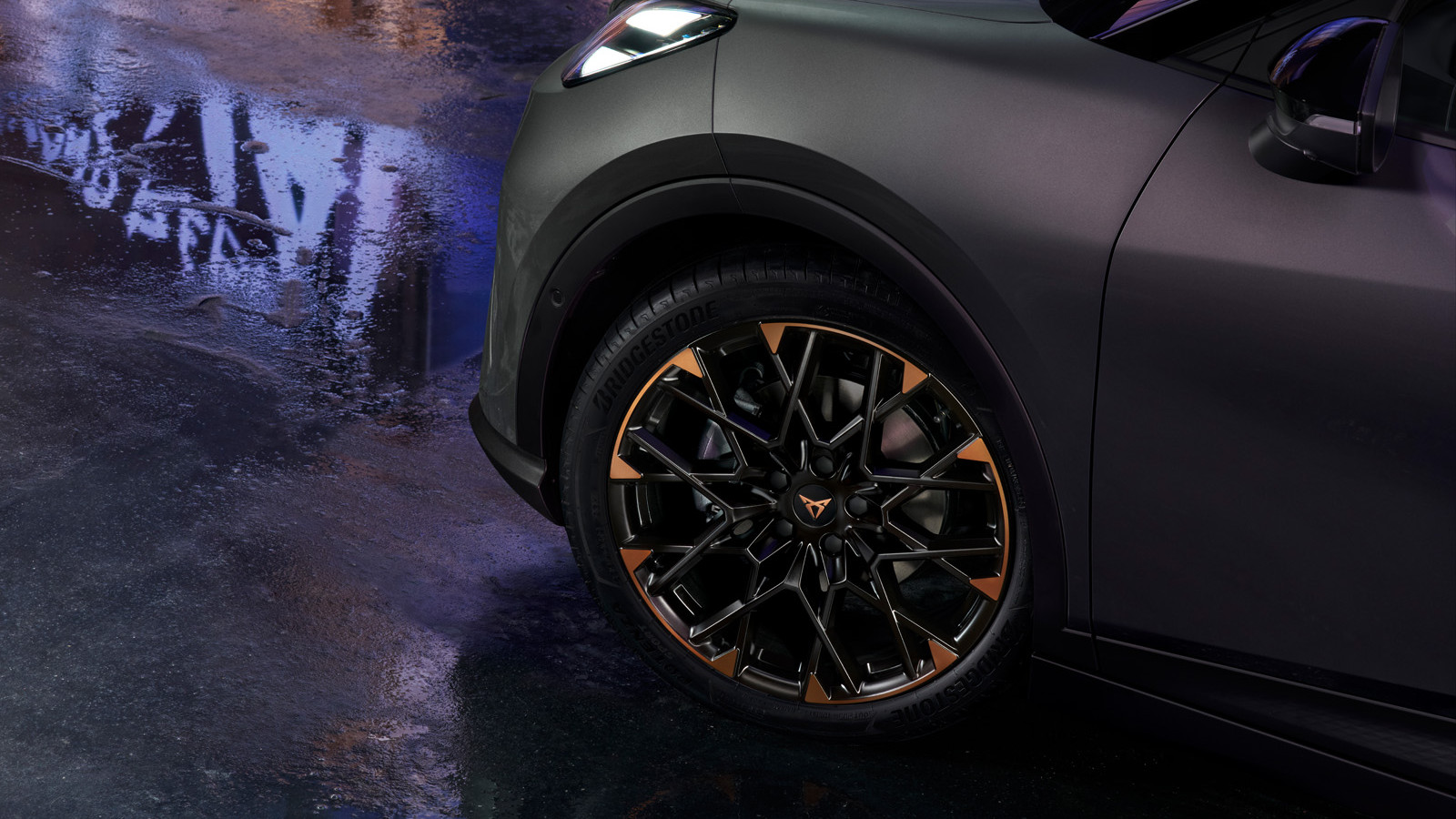
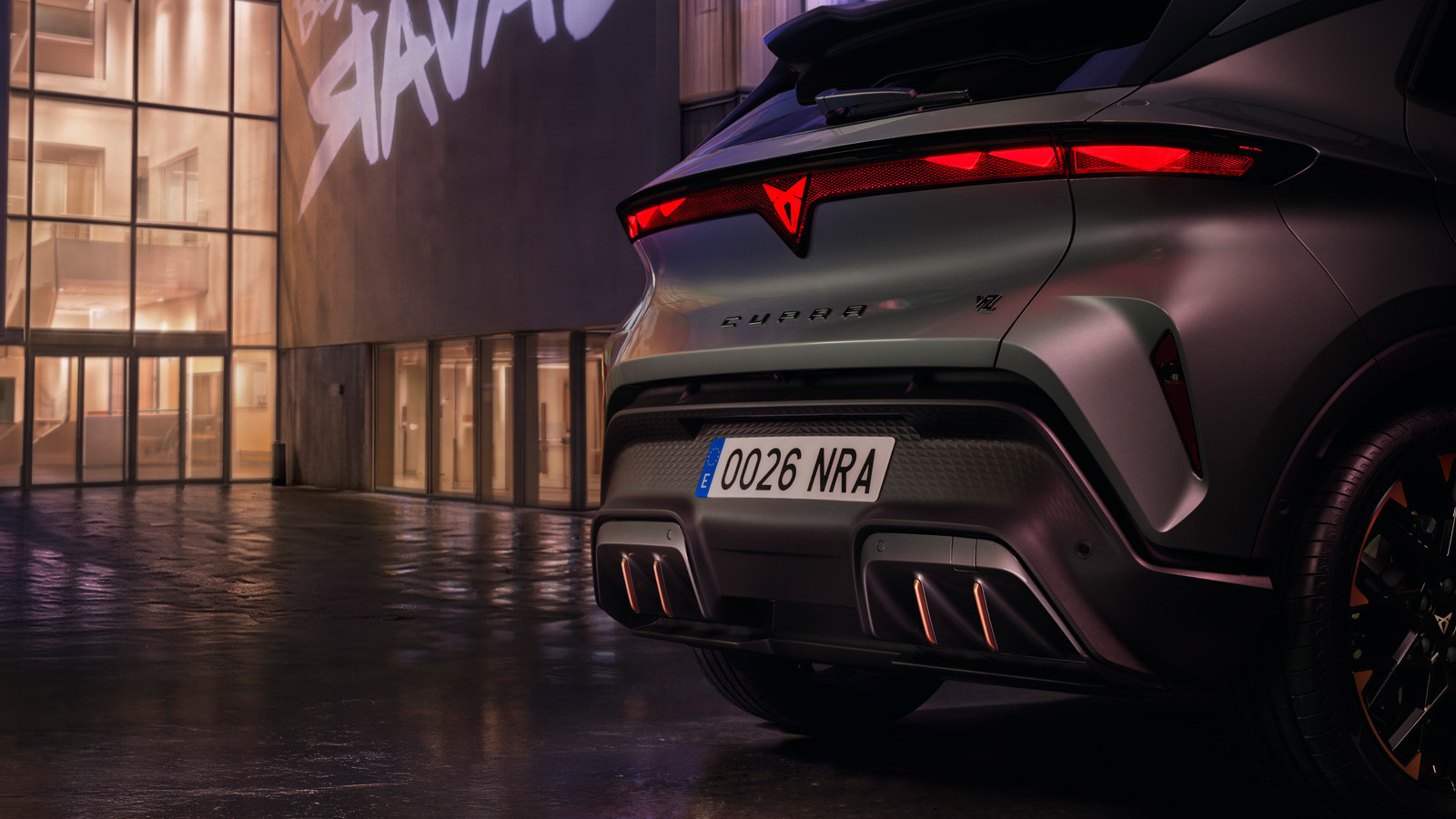
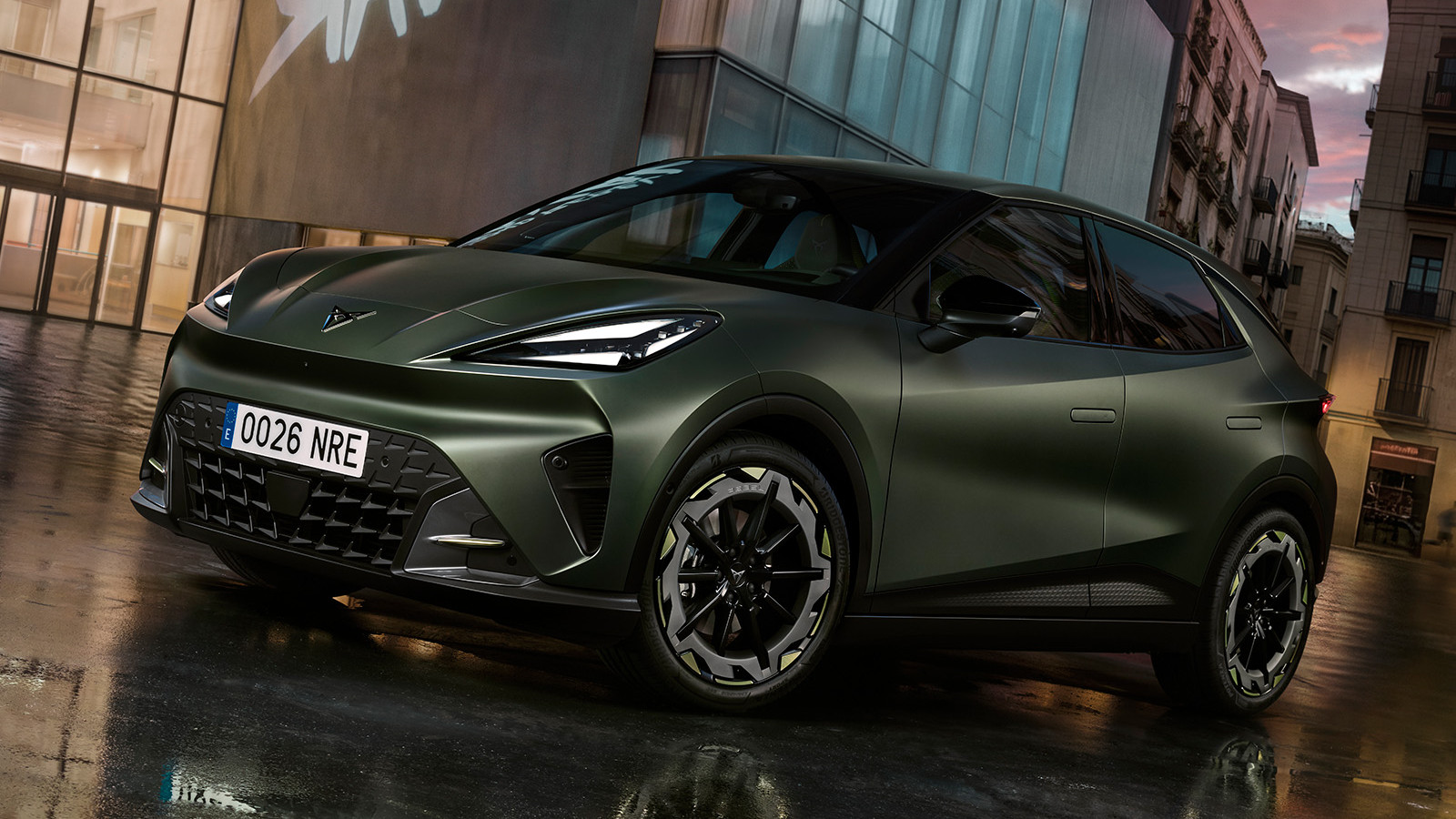
Cupra has revealed the new Raval as the car maker’s smallest, most affordable electric car yet - and it’s a model that could prove to be hugely significant for the motoring industry.
Leading the charge for the Volkswagen Group’s new line-up of small electric cars, the Raval takes the fight to the Renault 5 and a wave of Chinese newcomers.
When it goes on sale in the summer, the Raval will cost less than £23,000 (€26,331/ $30,479), a price which is partly possible because of its new underpinnings.
Could this be one of the most important electric cars of 2026? We’ve got all of the details, so read on to find out more.
The new Cupra Raval is the carmaker’s smallest electric car yet, and sits on the Volkswagen Group’s new MEB Plus platform. It shares the platform with the new Volkswagen ID Polo, ID Cross and Skoda Epiq cars, but has been reworked to cut costs.
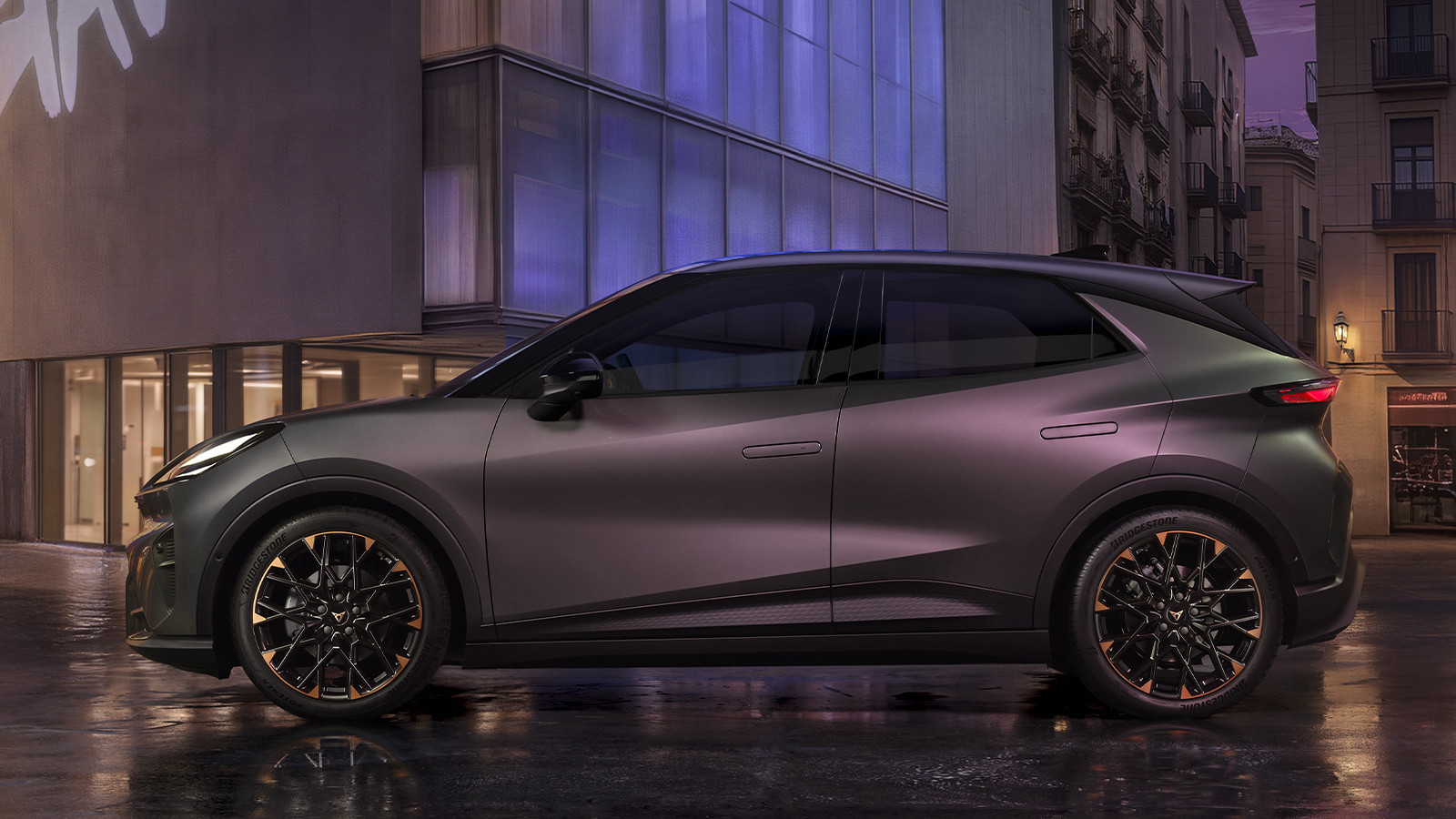
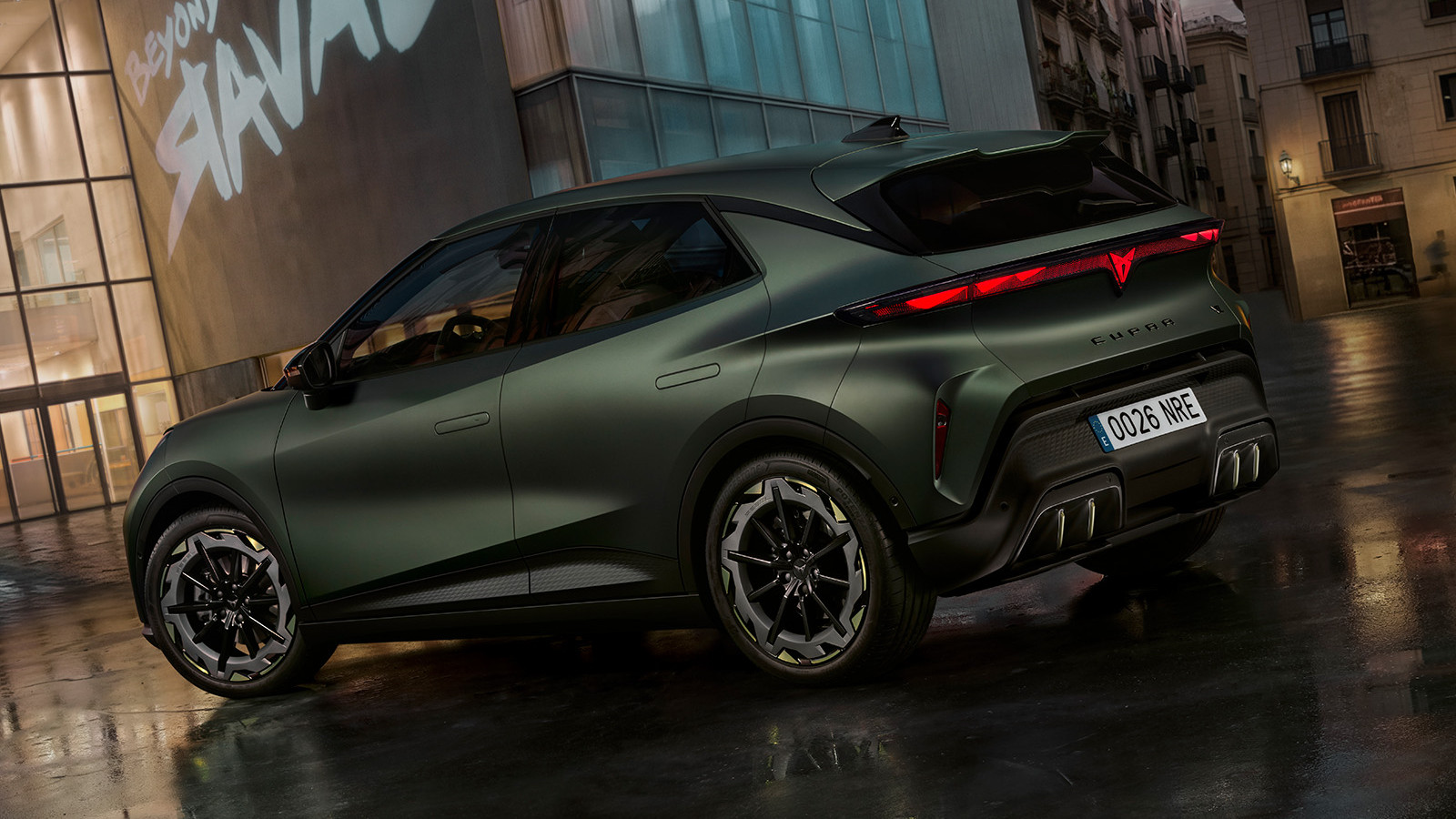
The Raval measures 4.05 metres long, 1.78 metres wide and 1.52 metres tall, making it slightly larger than the Renault 5. It also sits 15mm lower and is 10mm wider than its French rival. Cupra has positioned the car as the sportiest of the four new, entry-level electric cars due from the wider Volkswagen Group.
Cupra will offer the Raval with four trim levels, consisting of four powertrains and two battery packs. These technological setups also indicate what to expect from its Volkswagen and Skoda siblings, due to be revealed in the coming months.
Entry-level Core cars get a 114bhp, front-mounted electric motor, paired with a 37kWh battery. On this version, the driving range is claimed to stand at around 299km (186 miles).
The more expensive V1 and V2 specifications offer 133bhp, with the option to increase power to 208bhp. They can also be selected with a larger 52kWh battery, with a range of 450km (280 miles).
The range-topping Cupra Raval VZ (which stands for ‘Veloz’ in Spanish, meaning fast) is planned to rival the Alpine A290. It gets a 52kWh battery with a ramped-up electric motor producing 222bhp. Cupra claims a 0-62mph time of 7.0 seconds, but range drops to around 402km (250 miles).
The Raval VZ also gets some changes beneath the metal, including redesigned front suspension, dynamic chassis control and active dampers. Even the entry-level cars get fast charging. They can reach up to 90kW, with a 10-80% refill time of 27 minutes. Cars with the 52kWh battery can charge up to speeds of 130kW.
All versions of the Raval feature the same, practical-sized rear cargo space. At 430 litres, it’s even more spacious than the Cupra Born, the brand’s leading model from the class above. This is partly thanks to a huge underfloor space, similar to the Gigabox seen in the Ford Puma Gen-E.
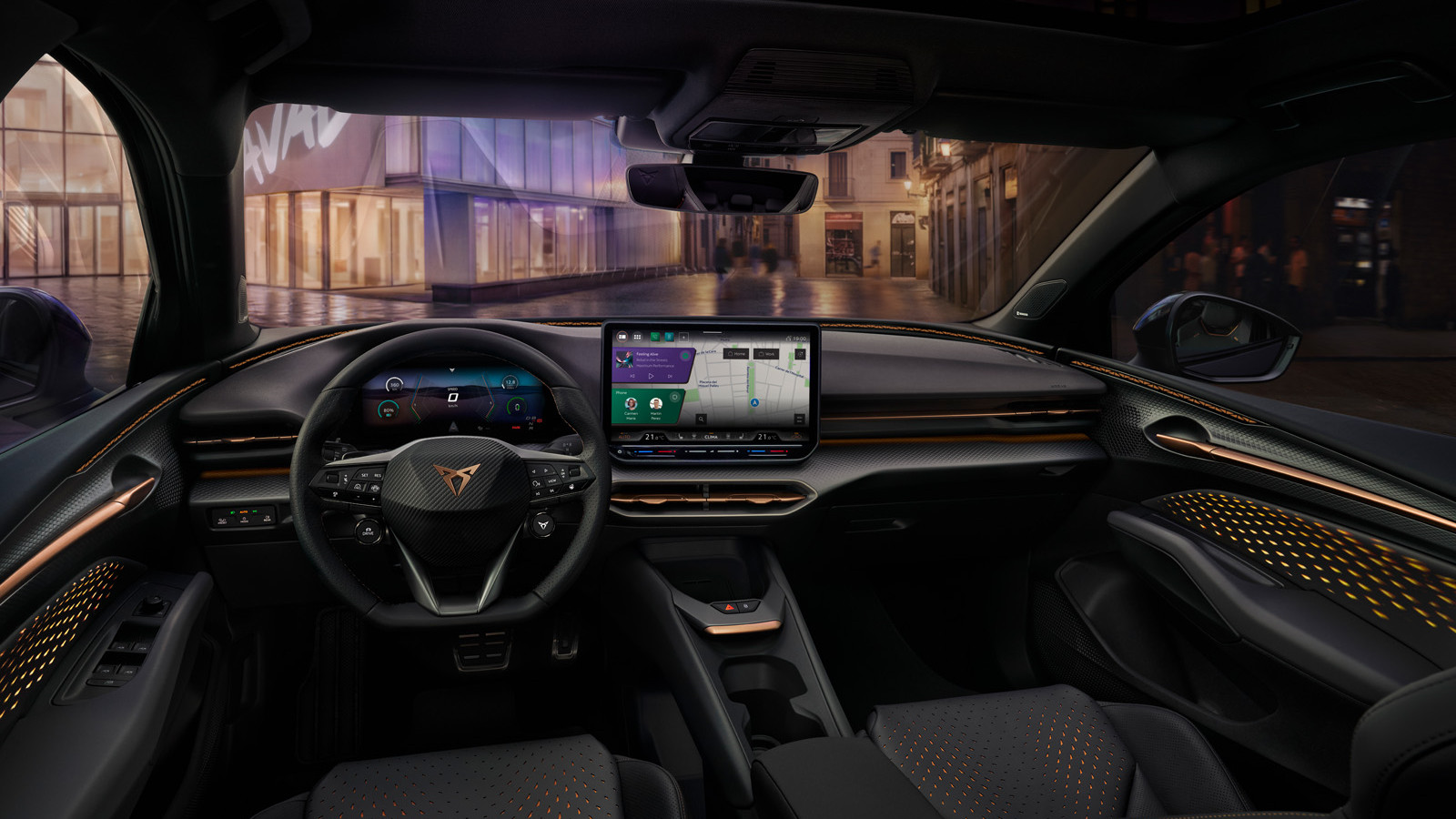
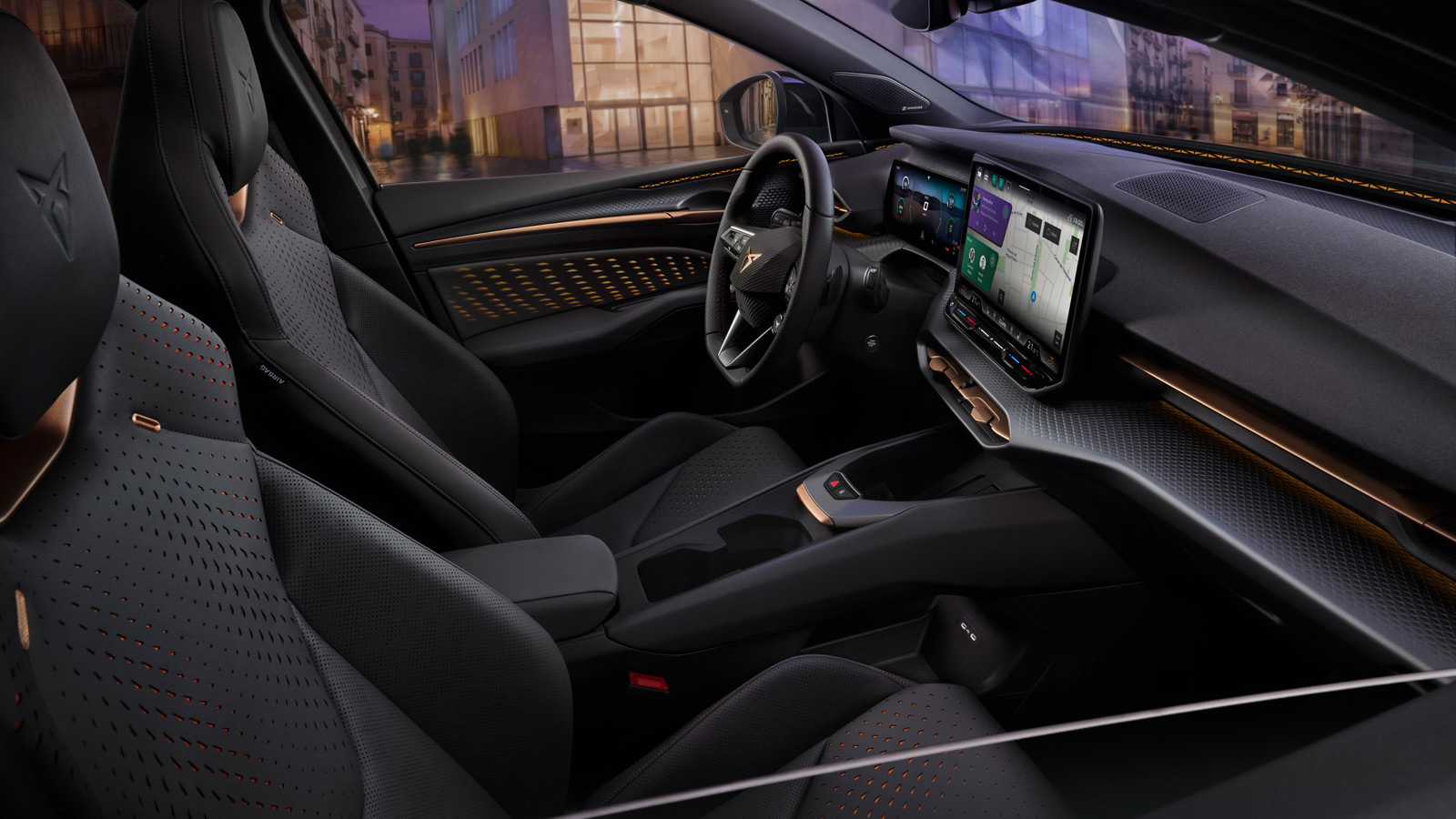
Inside, the Raval features a 12.9-inch infotainment system paired with the largest digital instrument display in a Cupra car yet. Measuring 10.25 inches, it emphasises Cupra’s goal of paying particular attention to the car’s on-board experience.
Cupra said it has paid particular attention to the on-board experience. For example, there are projectors mounted inside the dashboard which shine various animations onto the front door cards – drivers can choose from various options, or the graphics can be tied to the chosen drive mode. It does, however, retain the much-maligned touchpad sliders for climate controls.
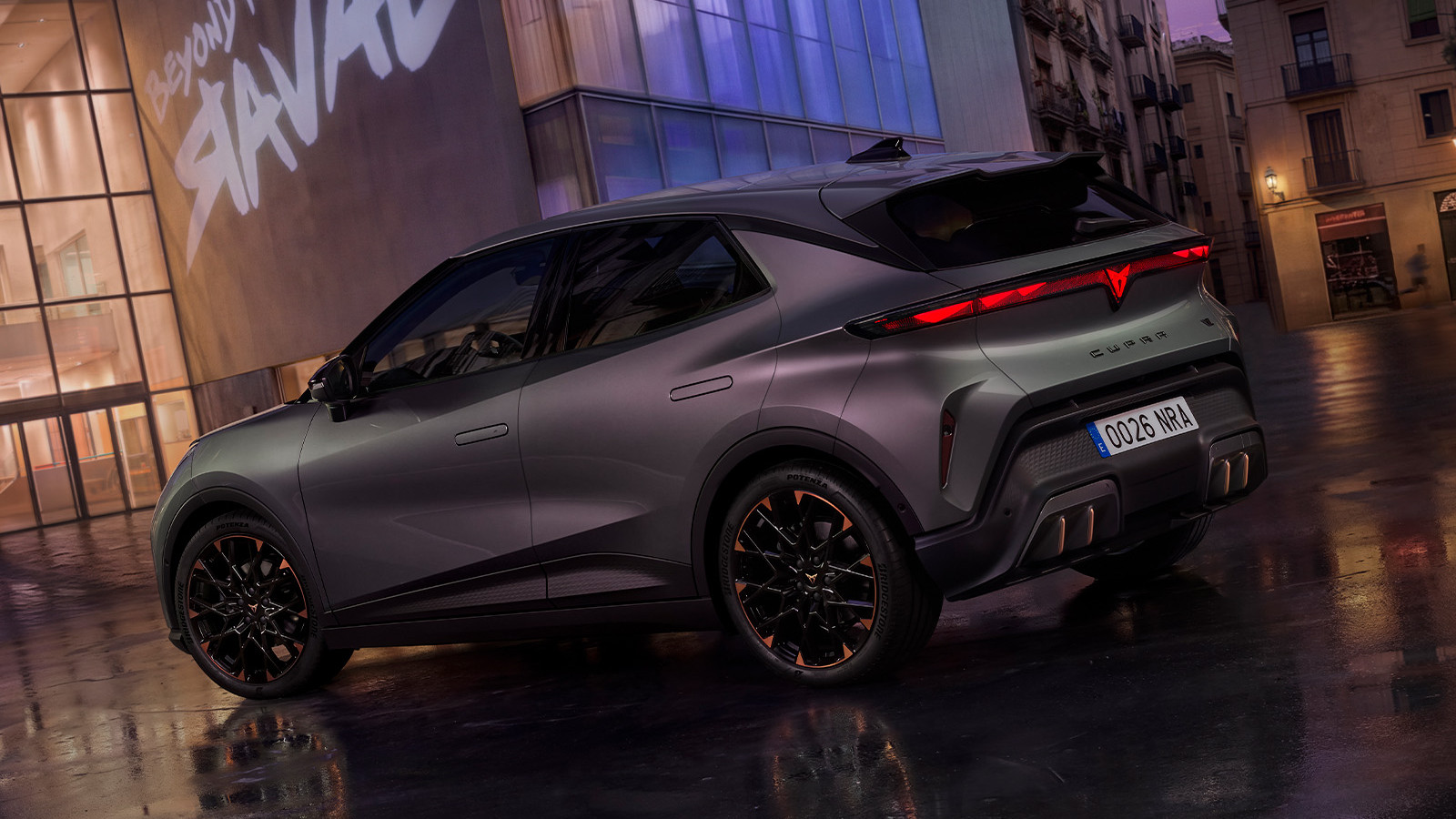
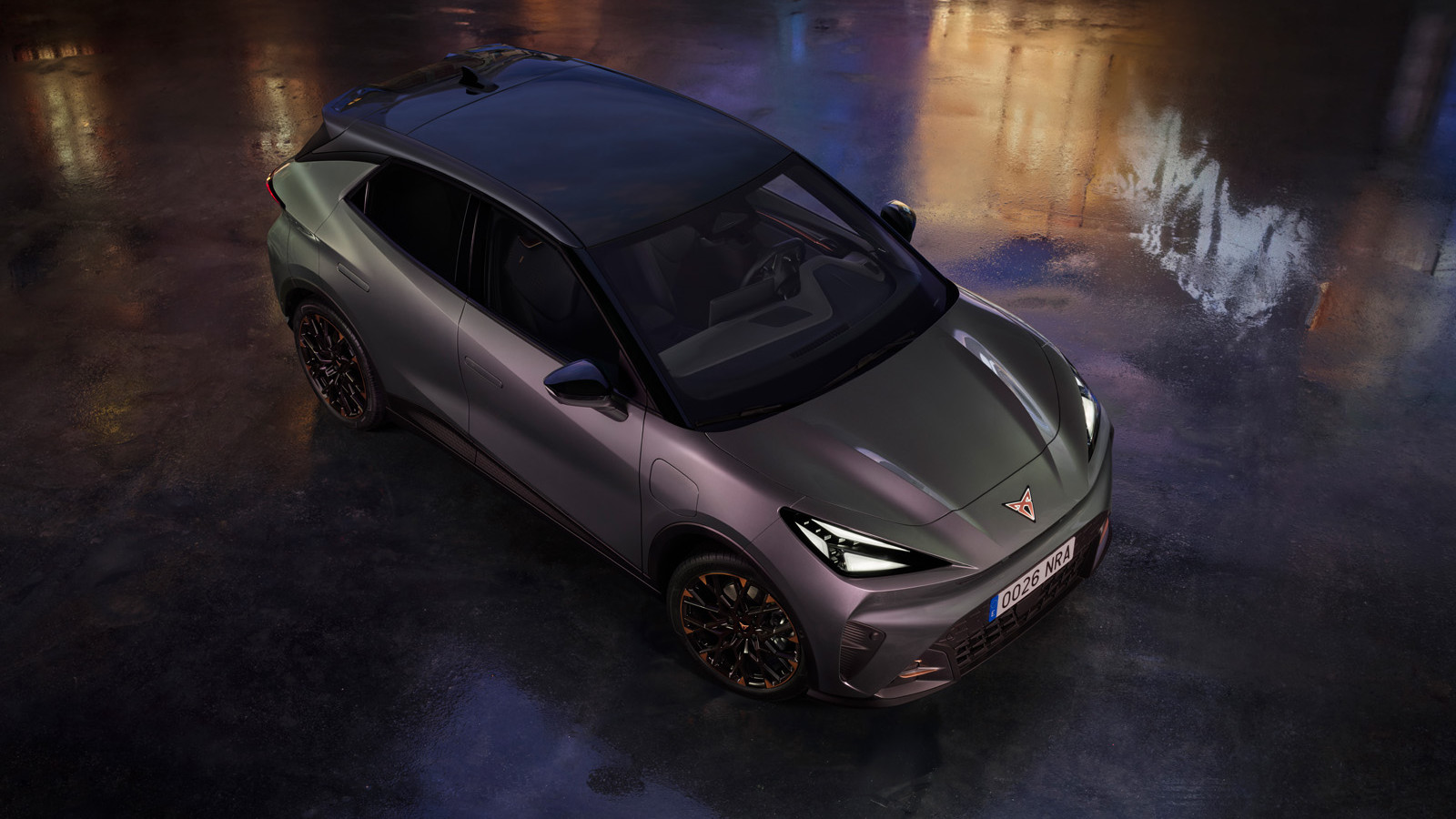
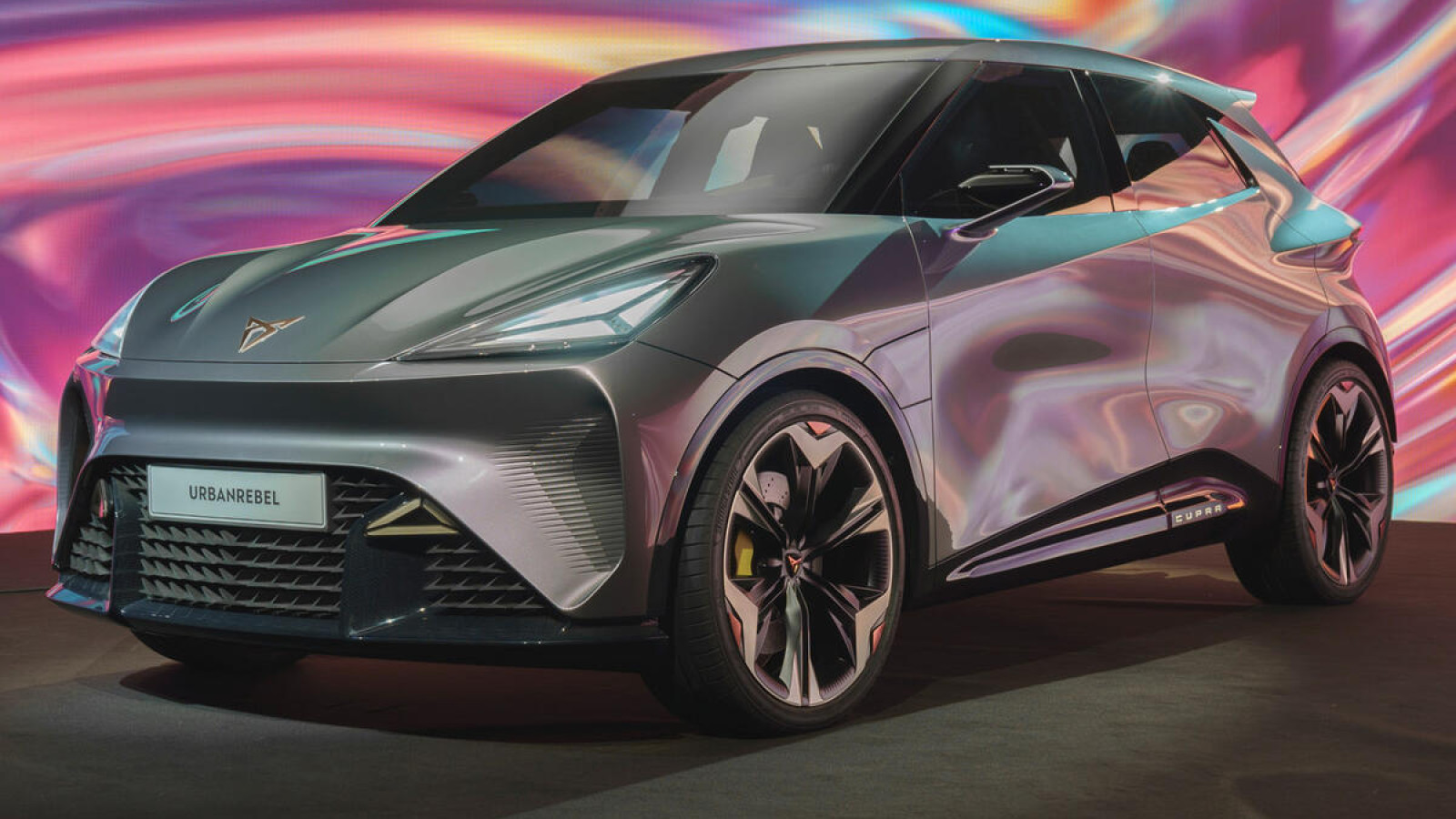
The Raval’s exterior design is remarkably similar to the Urbanrebel concept, which was revealed in 2022. It features a prominent ‘sharknose’ up front and a sloping roof line, while other key changes to the showcar include new vents in the front grille, which are backlit to highlight the Raval’s beak.
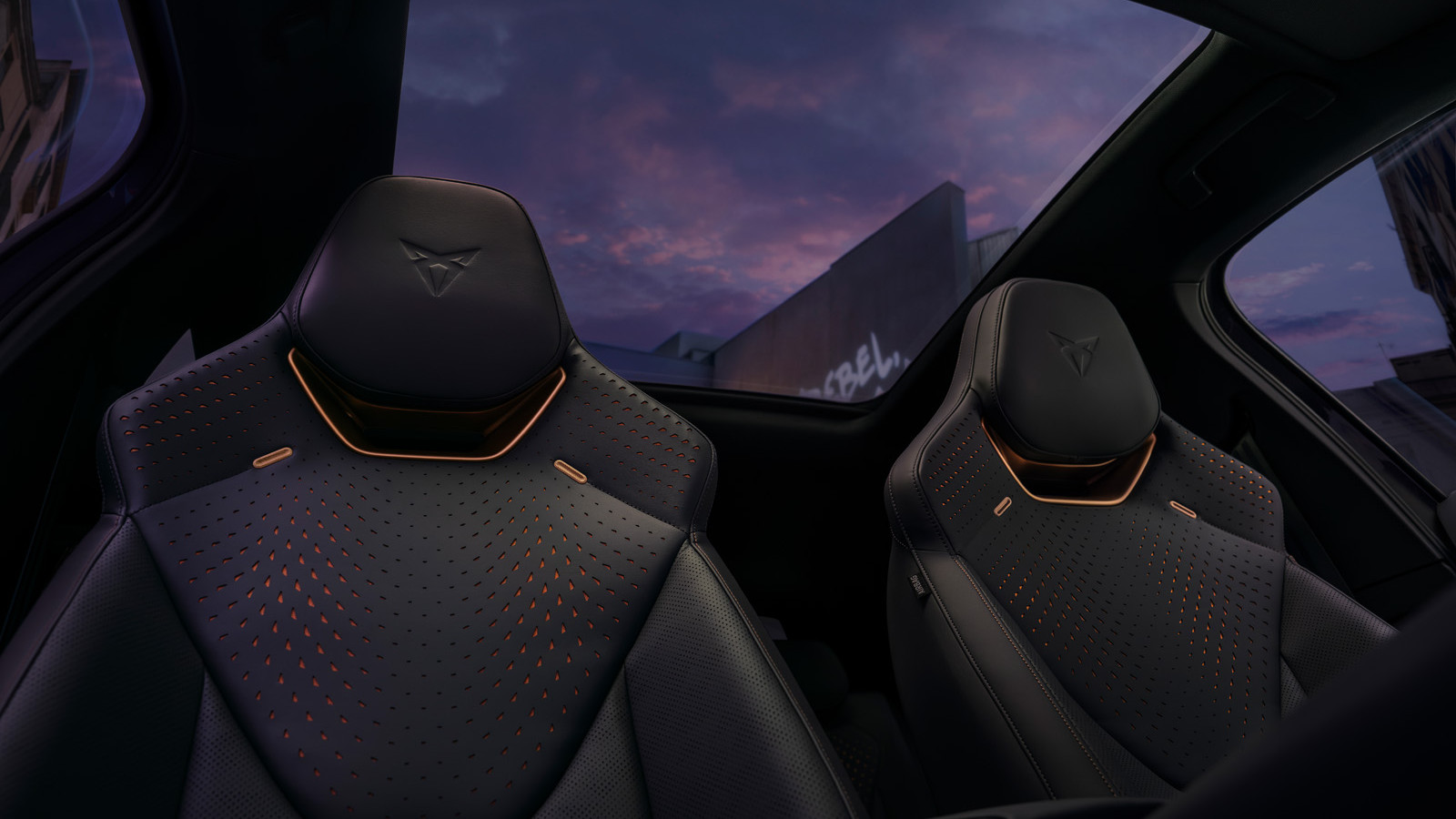
The sportier VZ is marked out with Cupra’s signature ‘Cup’ bucket seats upholstered in a new ‘3D Knit’: a complex weave of fabric similar to that on running trainers. This will later feature in top-rung Tribe Editions of other models.
The Raval is Cupra’s smallest and most affordable car yet and is seen as key to the brand’s expansion plans. Insiders hope that it will become its best-selling model by 2028, outstripping the Formentor, of which 104,400 were sold globally last year.