
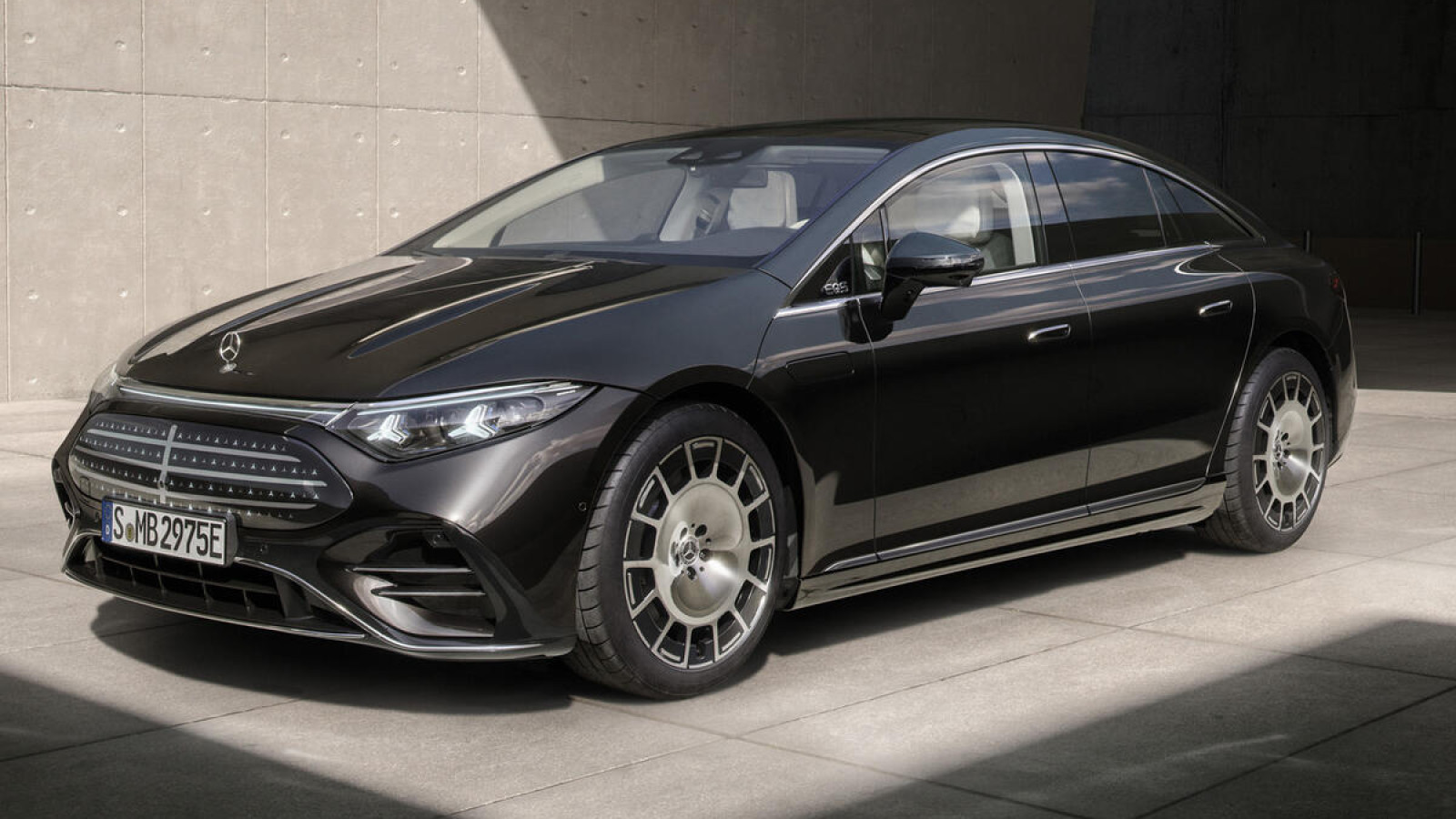
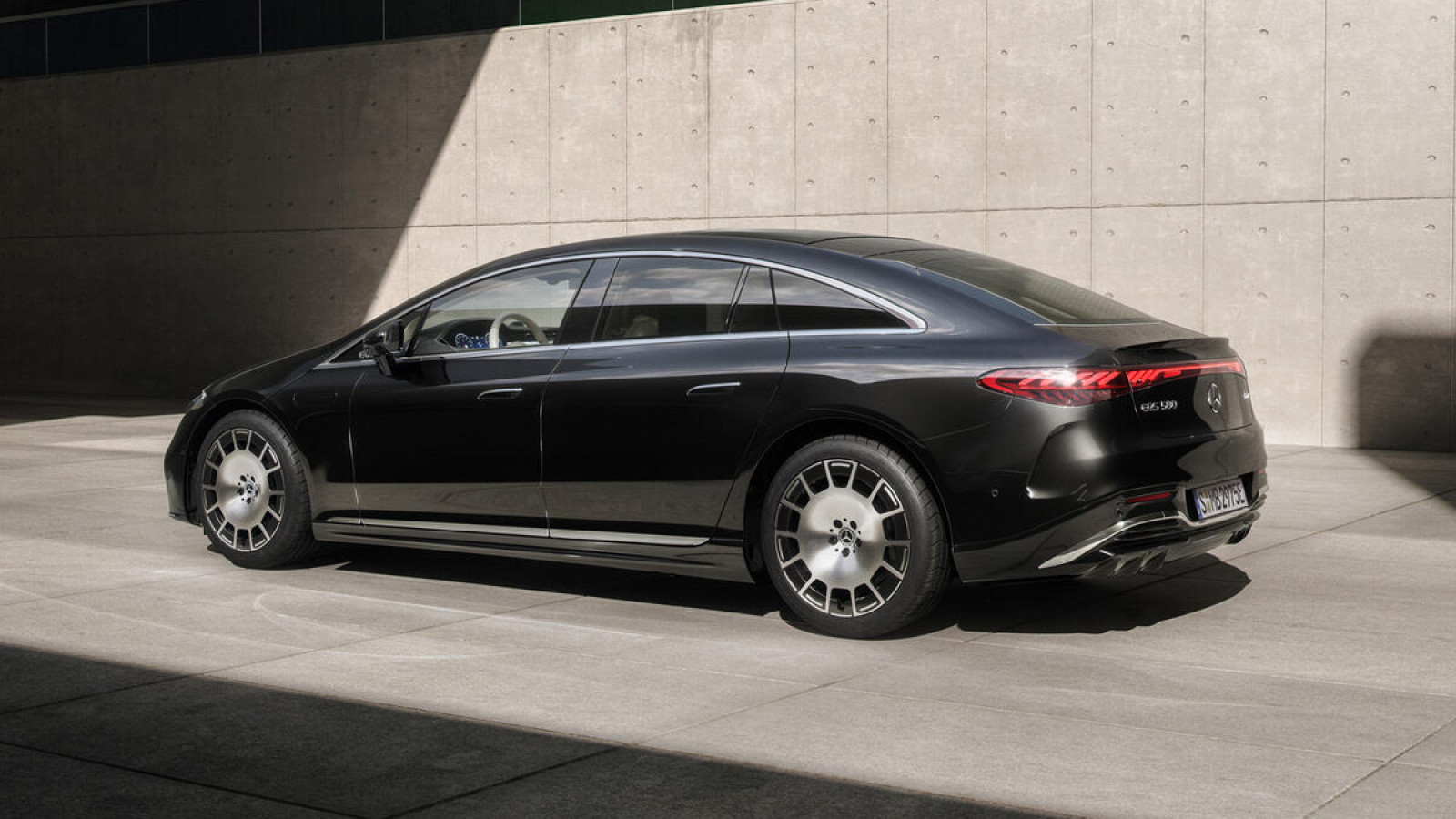
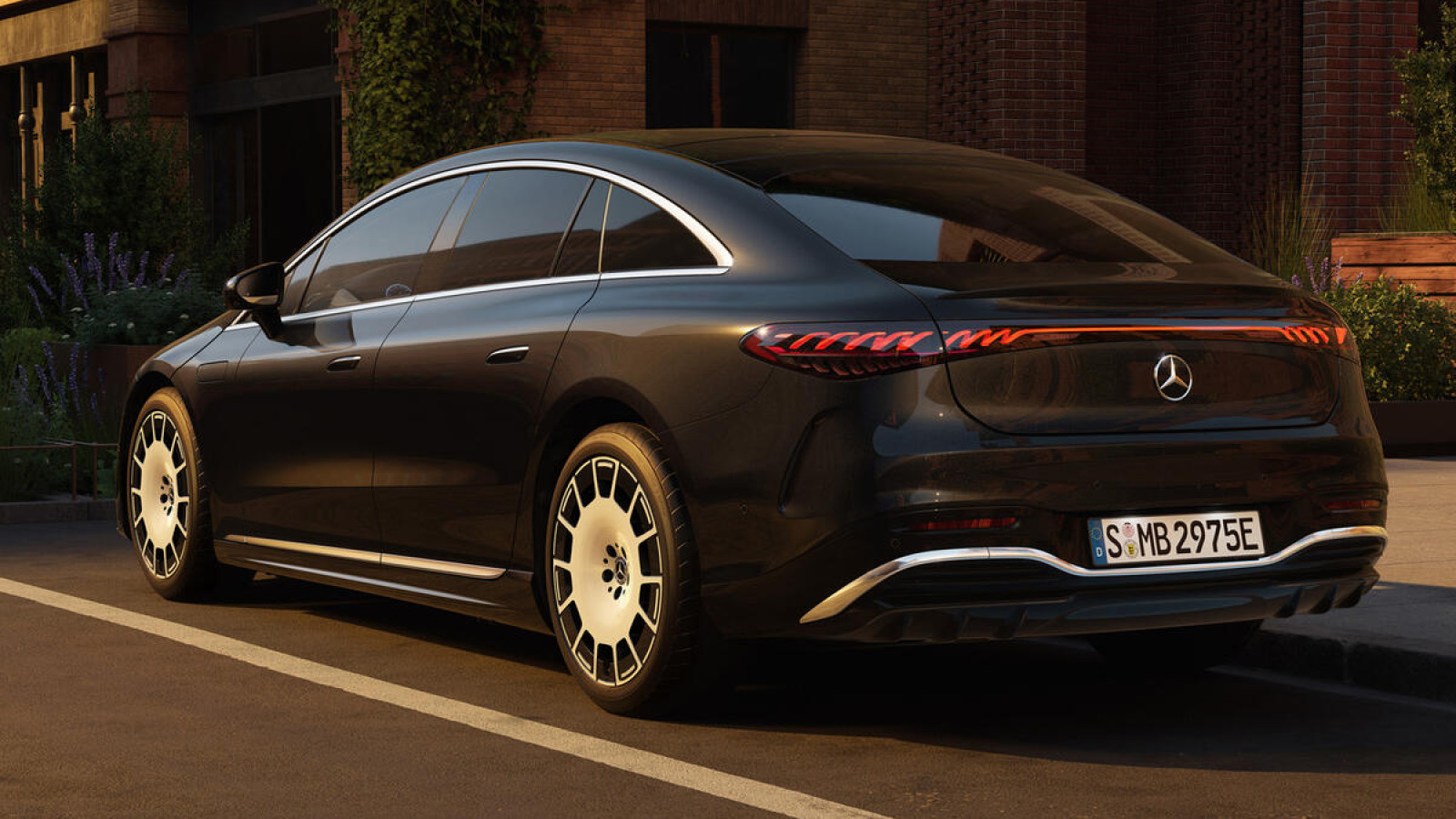
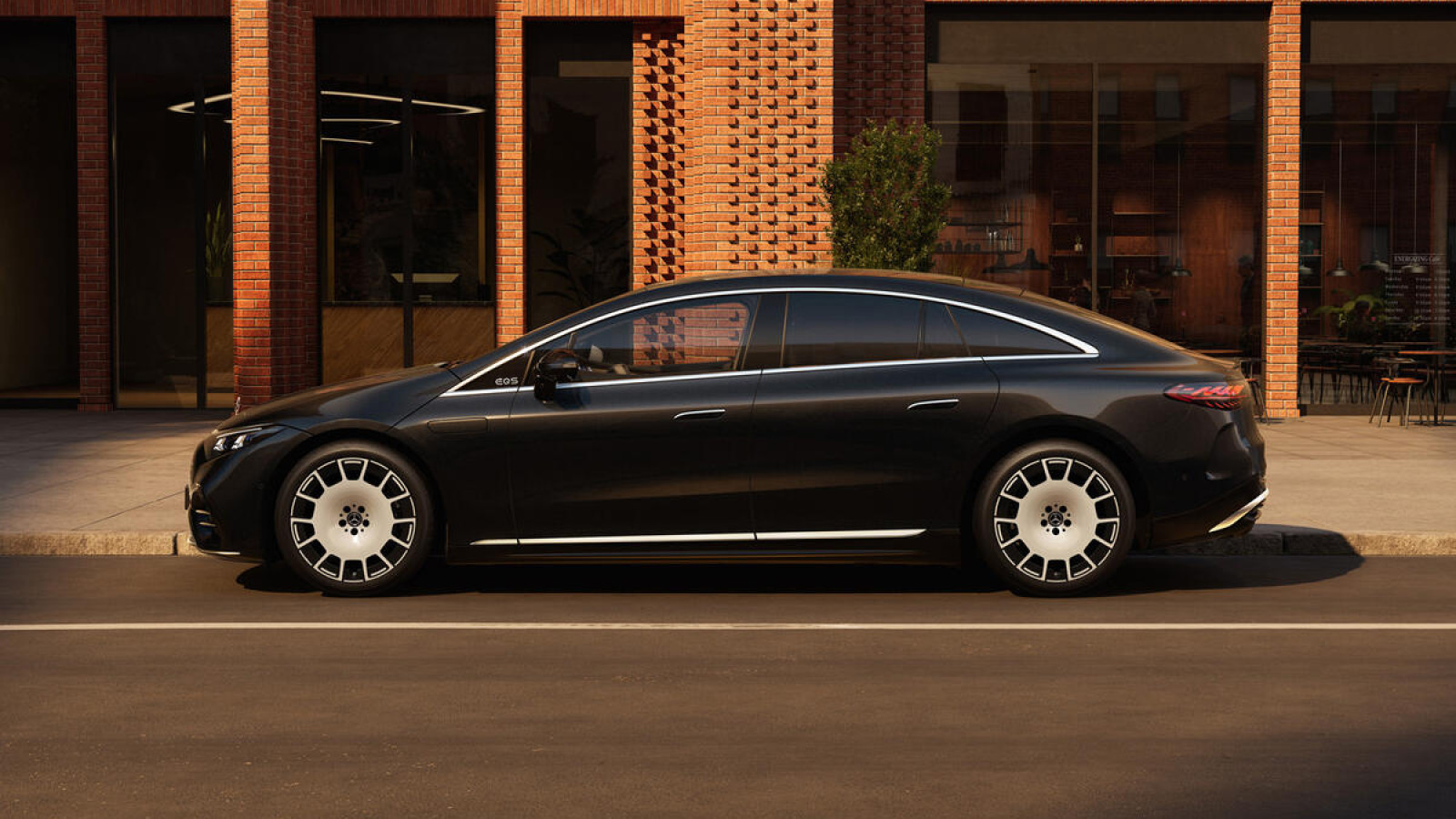
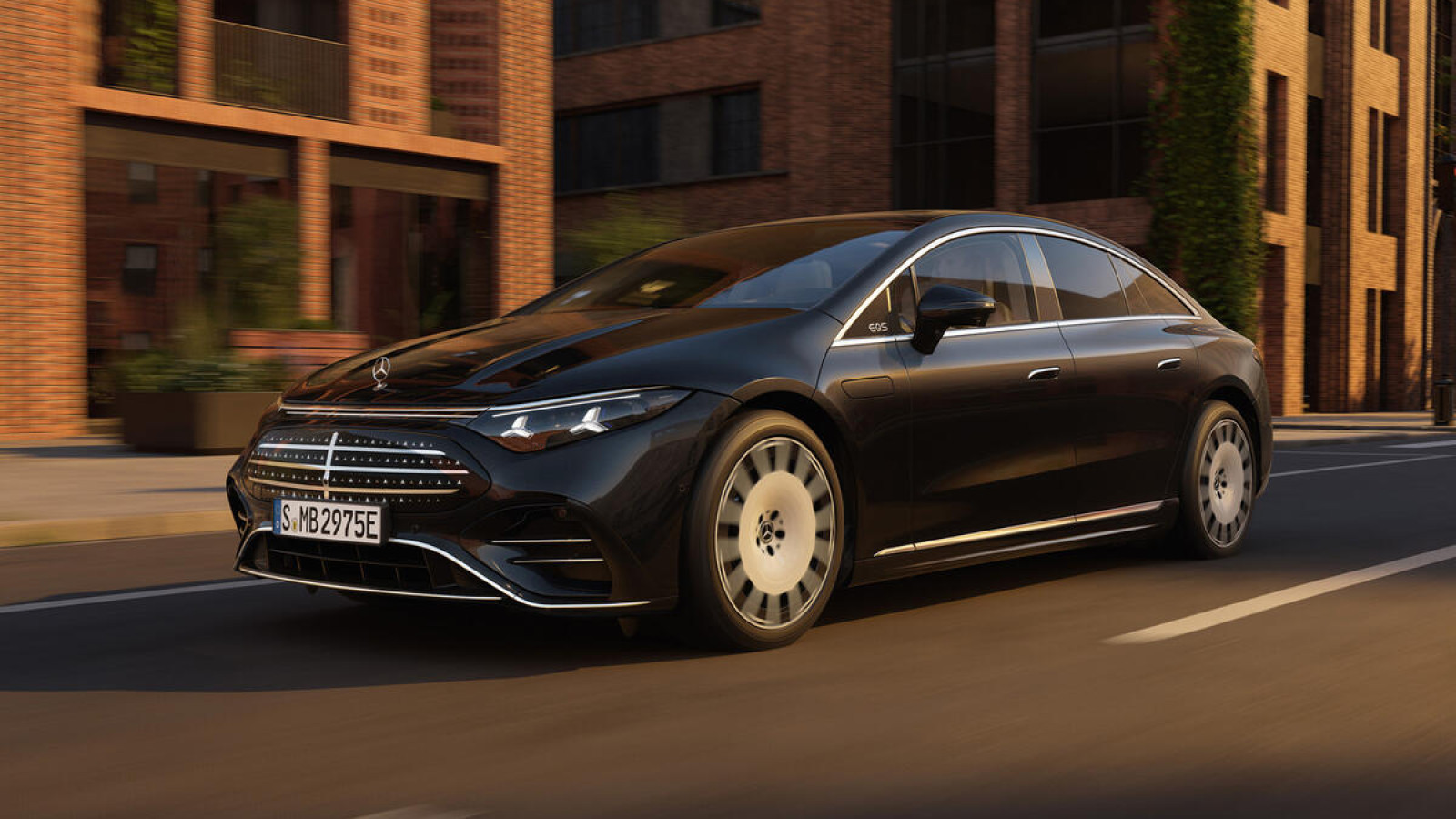
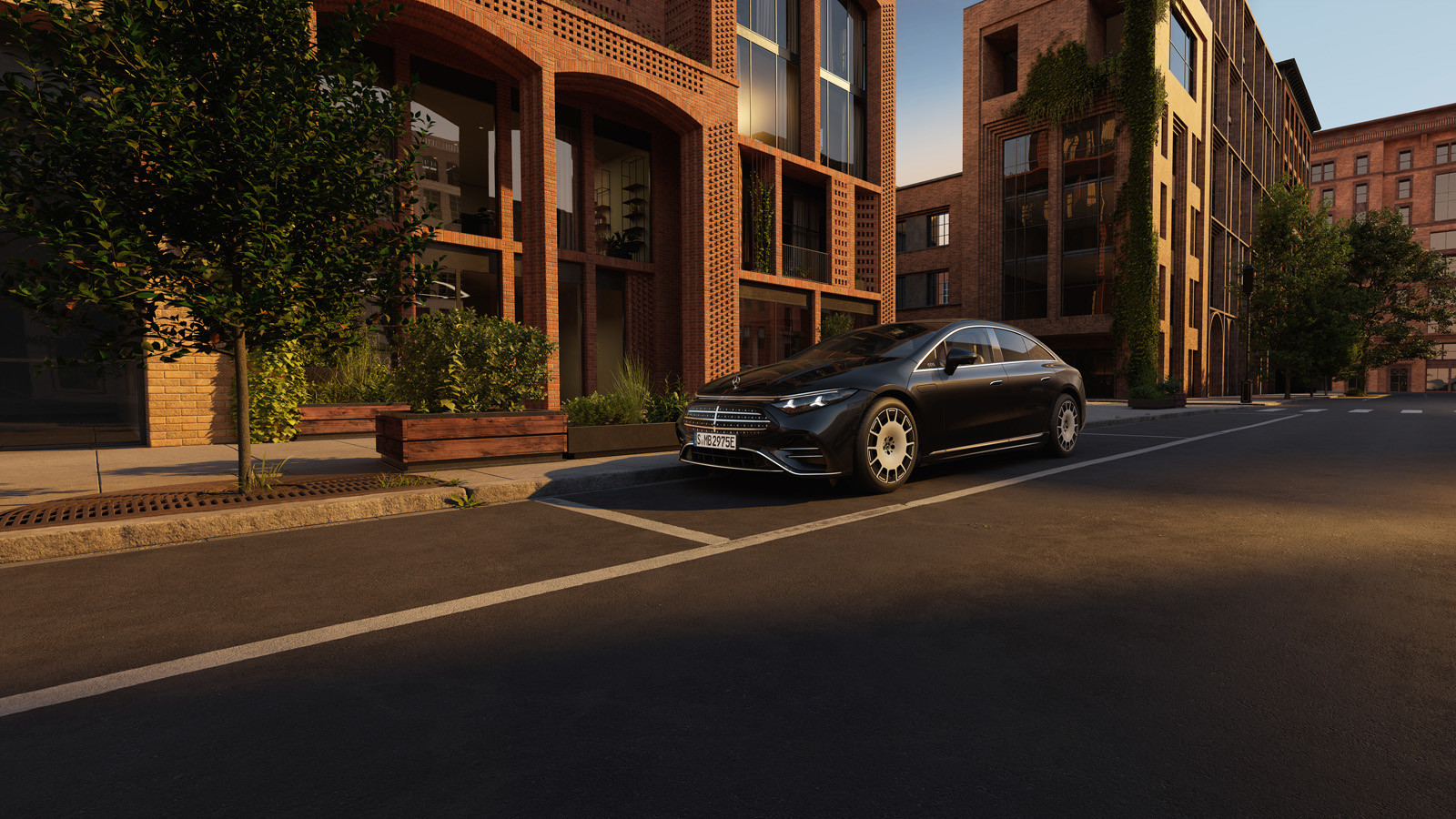
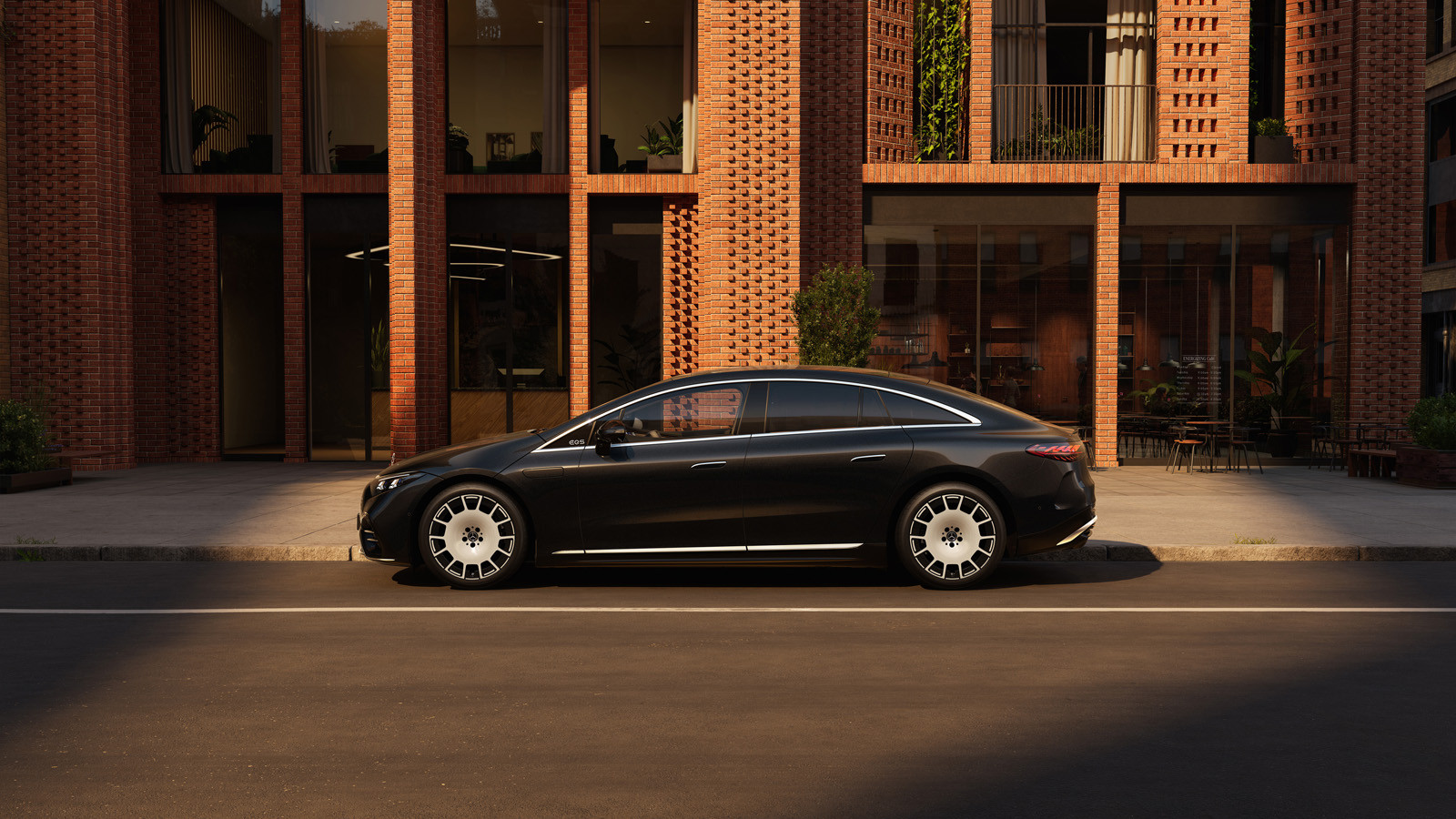
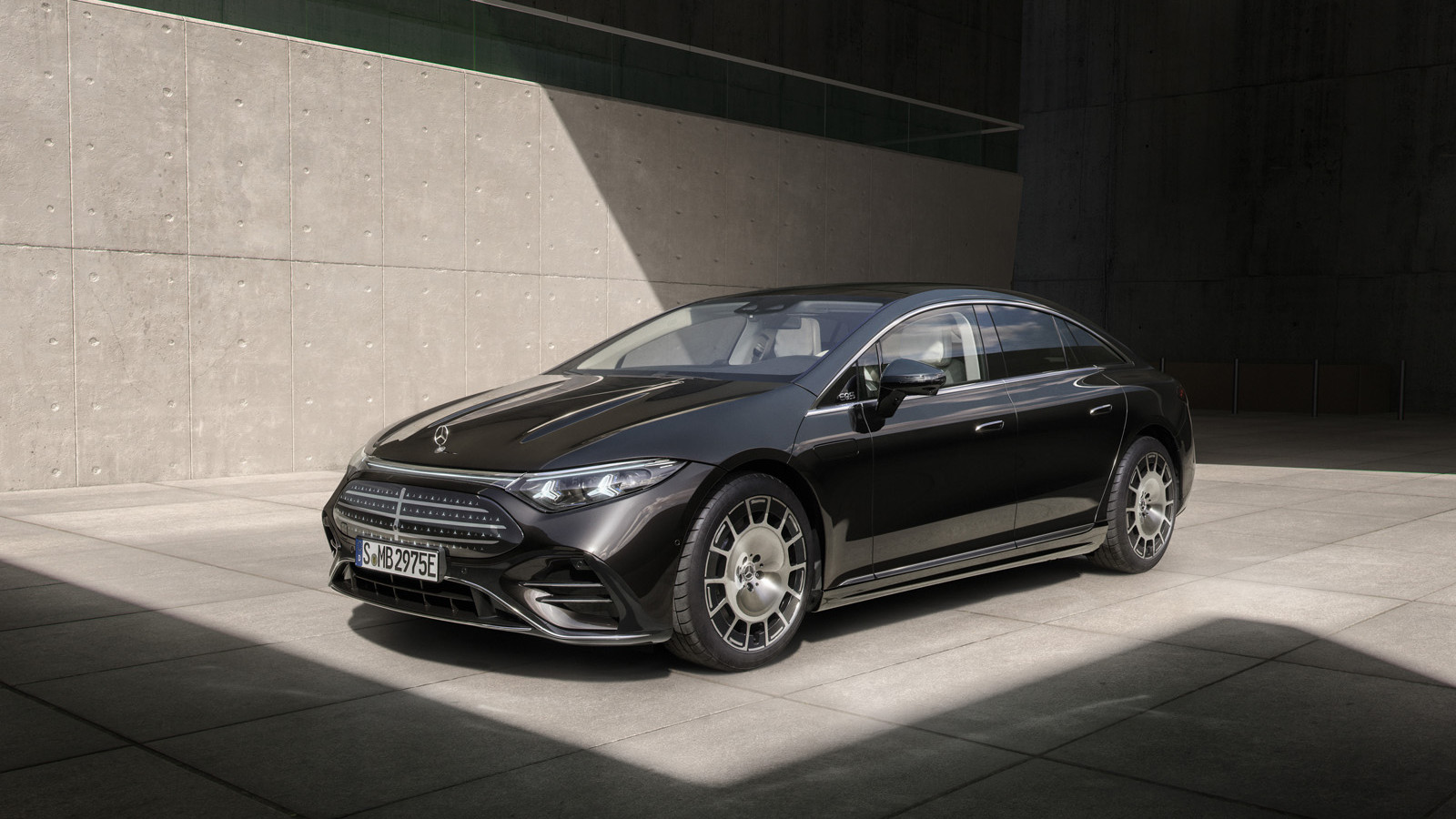
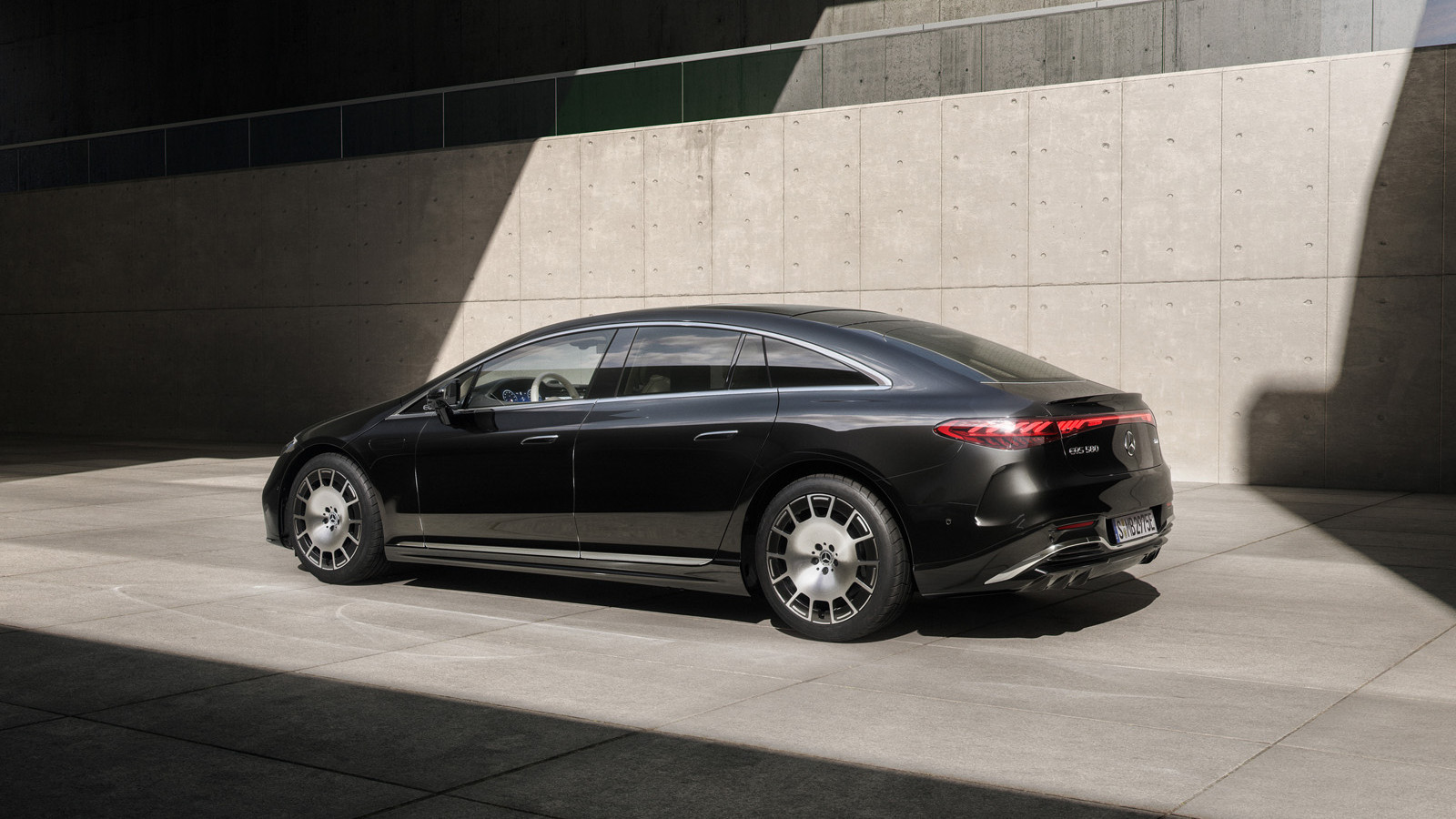
The Mercedes-Benz EQS has long been one of the world’s most luxurious electric cars.
Launched in 2021, the vehicle serves as an electric equivalent to the highly popular and luxurious S-Class. It has since established itself as one of the electric cars with the longest range on the market today.
Stuttgart's flagship electric limo has been heavily updated for 2026, gaining several significant updates including design changes, technical enhancements and an even bigger driving range.
Quite a lot has changed, as Mercedes looks to challenge newer, more technologically advanced rivals, including the Lucid Air, BMW i7 and upcoming Jaguar Type 00.
What exactly has changed, then? Read on to find out everything you need to know…
While the new Mercedes EQS sits on the same EVA2 platform, it gains several technological updates to bolster its standing among new rivals.
Chief among the changes is the adoption of a new battery chemistry, which is claimed to boost energy content by 3%. That means outright capacity rises from 118kWh to 122kWh but with no impact on the size or weight of the battery.
The results are significant: the changes mean the rear-driven EQS 450+ can now officially travel a huge 925km (575 miles) between charges, which is only slightly less than the Lucid Air Grand Touring, currently Europe's longest-range EV. Meanwhile, the twin-motor EQS has also had its range boosted to 544 miles.
Other changes include the switch to an 800-volt architecture, which drastically improves the EQS’ maximum charging speed from 200kW to 350kW. The EQS can still use a lower-powered 400V charger, though, with the capacity to 'virtually divide' its battery into two parts and top up each half at 175kW.
Elsewhere, the new EQS gets new motors, described by Mercedes as “a generational leap” compared to their predecessors. They’re more efficient and more robust, and regeneration under braking has been improved to 385kW.
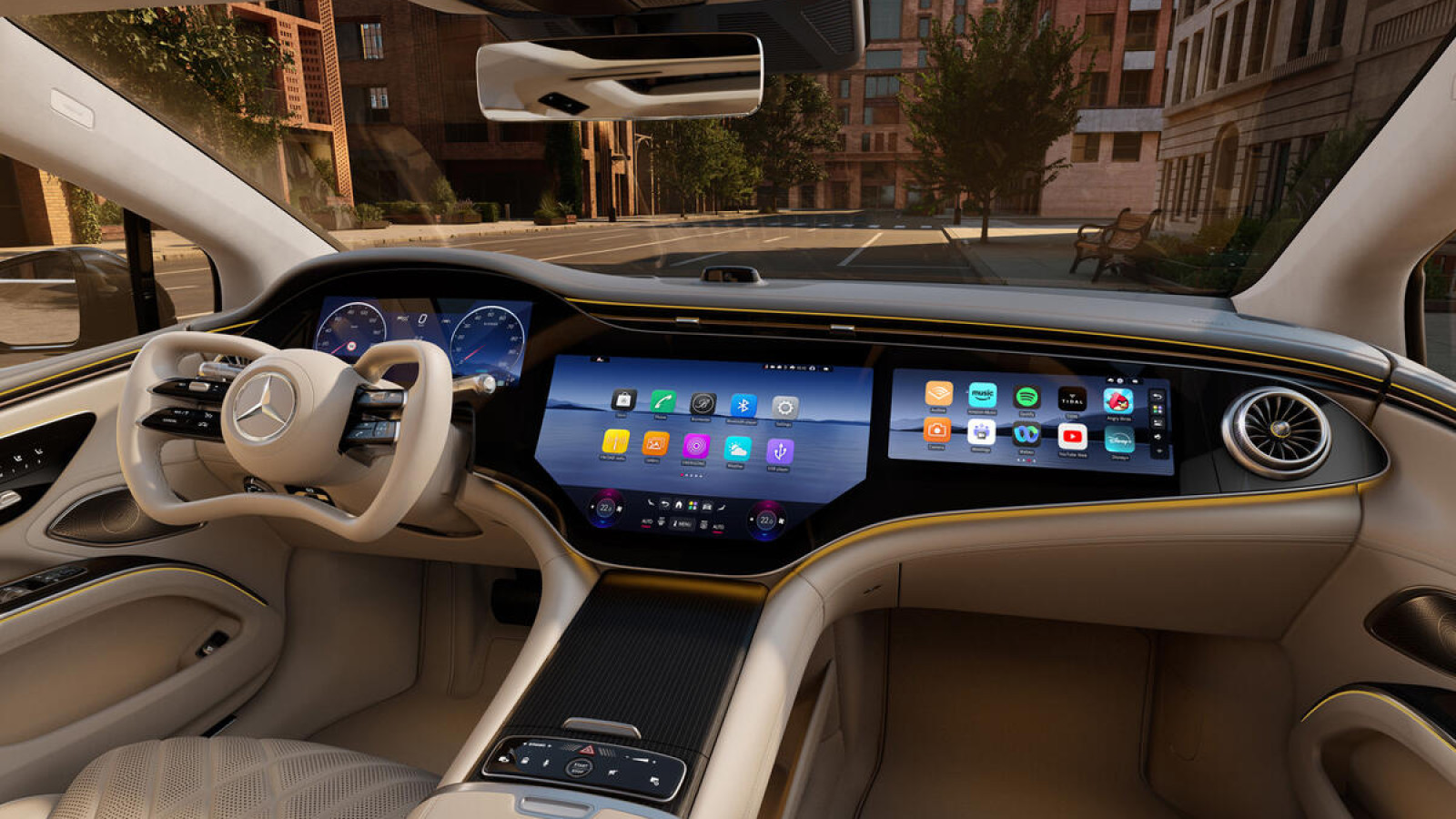
Inside, the EQS gains a new optional steer-by-wire system, which replaces the mechanical steering wheel with a yoke device, reducing lock-to-lock range to just 270 degrees. As well as improving steering feel, it reduces parts and space, as the steering connection is virtual.
While the EQS was always a very luxurious car, the EQS also receives an upgraded version of the Airmatic air suspension system that's fitted to the new electric GLC and the S-Class. It uses data from the cloud to prepare the dampers for potholes and speed bumps.
The seat belts now heat up, too, warming to 44 degrees in cold weather to "ensure rapid comfort as well as the brand's signature 'welcome home' feeling".
There's also a new automatic reversing function for use in tight environments where turning isn't possible; the headlights illuminate a 40% wider field while using 50% less energy, and the front end has been resculpted to optimise aerodynamic efficiency.
Customer deliveries are due to get underway in the second half of the year, and prices are expected to command a small premium over the current £100,000 (€116,000 / $125,000) start price.