
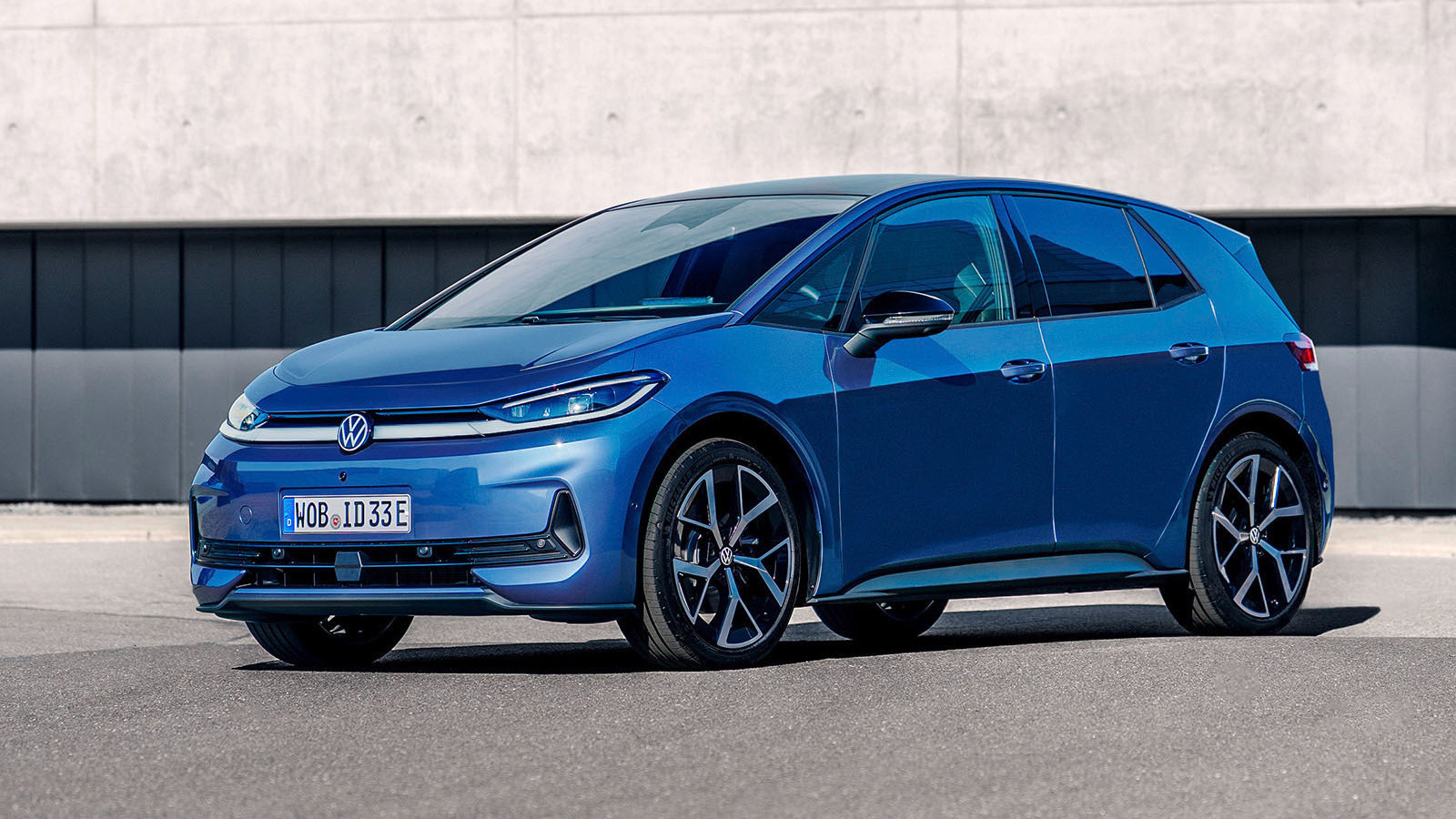
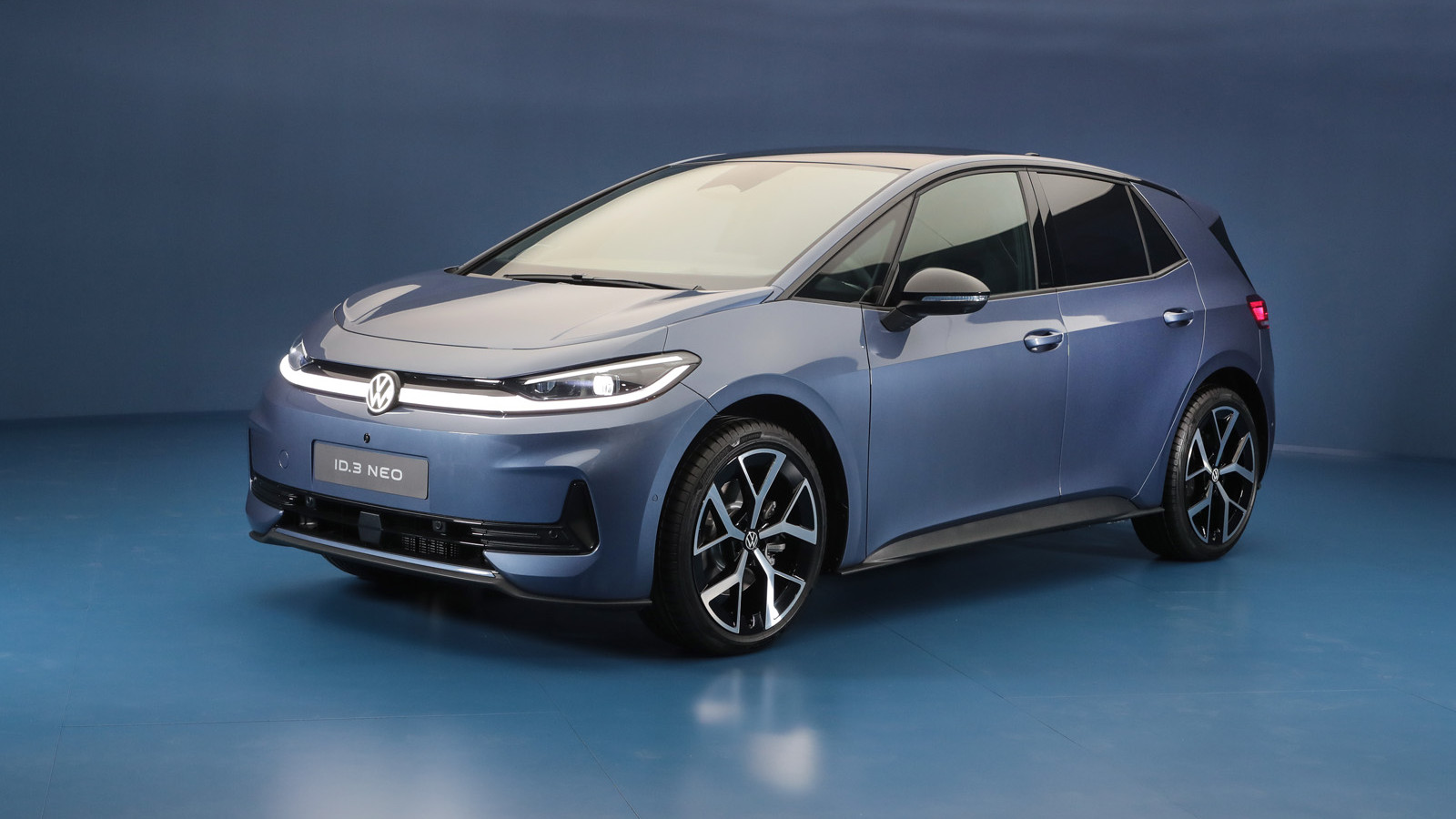
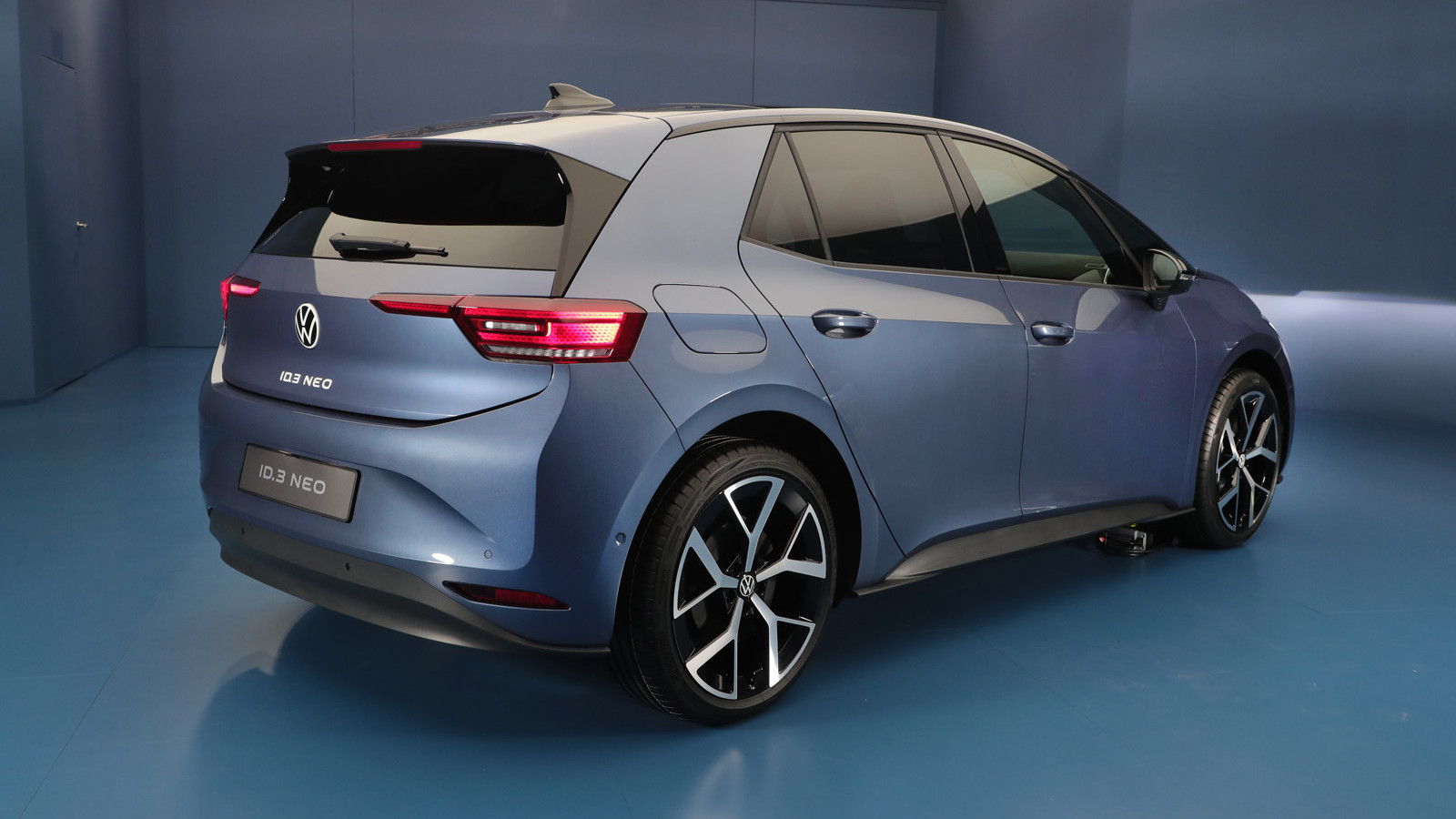
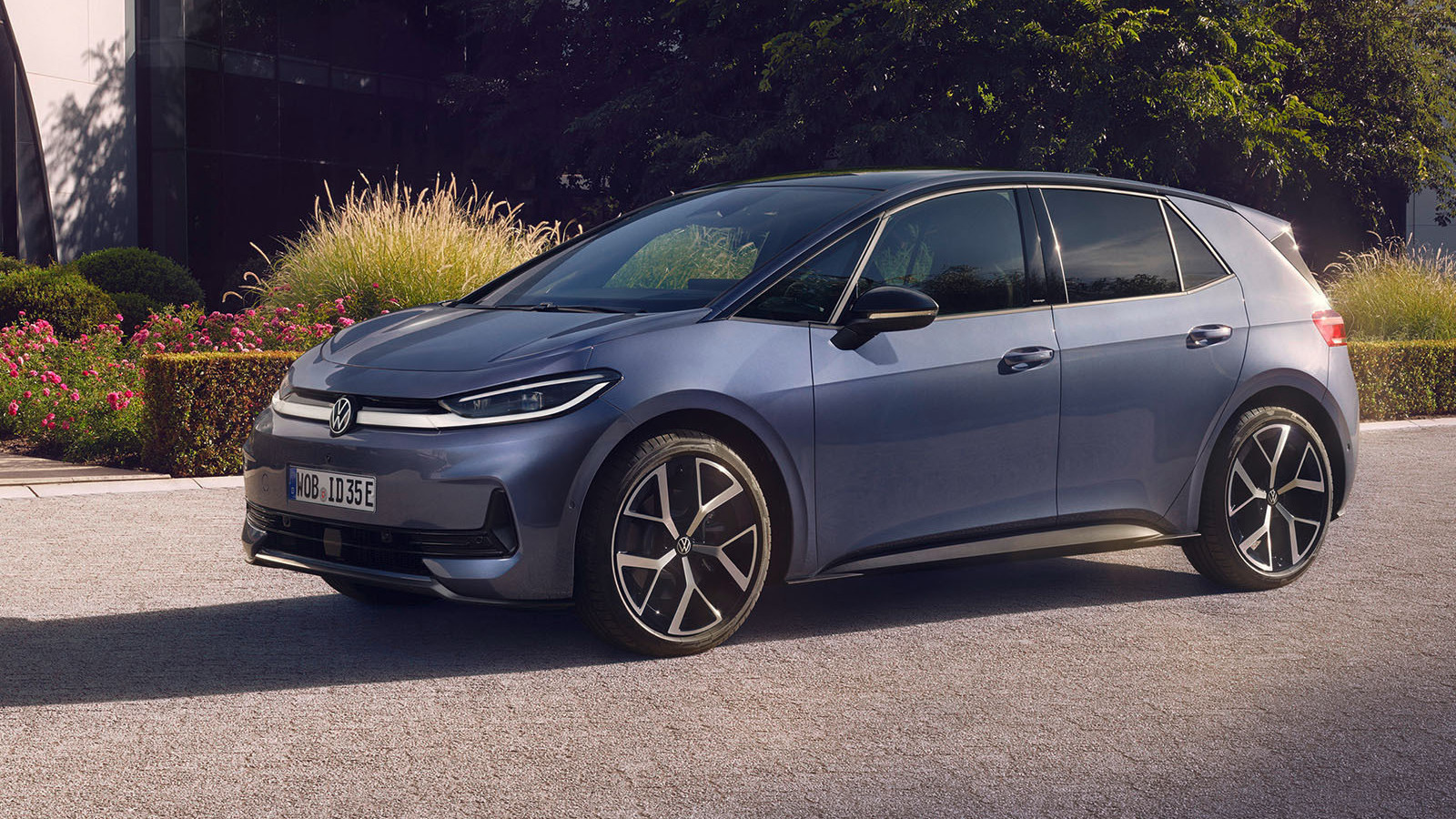
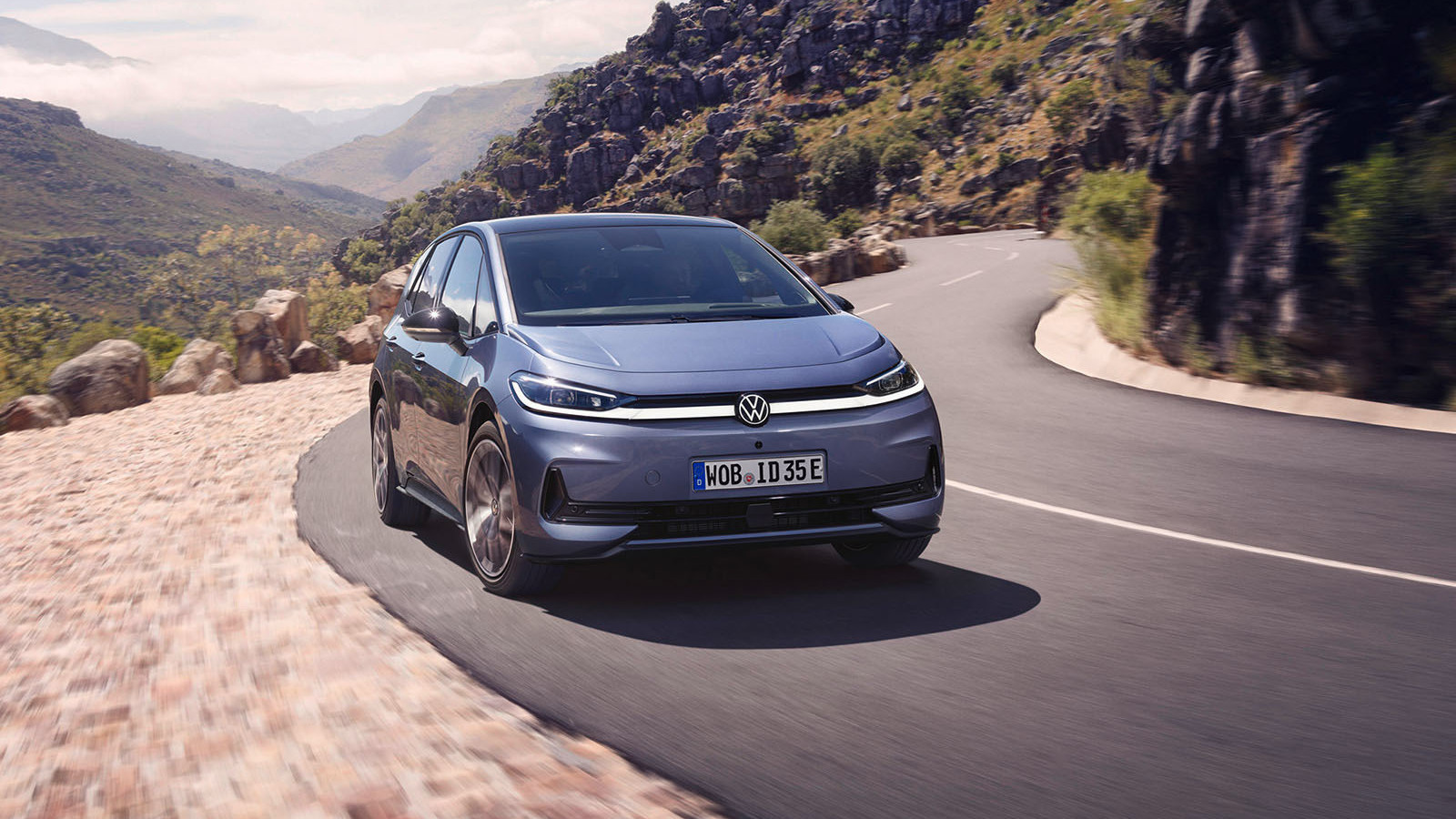
The Volkswagen ID 3 electric car has received a huge update, introducing a new name, a revamped interior and advanced technology beneath the metal.
The German car giant’s first bespoke electric car, the ID 3, first went on sale in 2020.
It arrived following two other electric cars, the e-Golf and e-Up!, both of which were based on the company’s highly successful internal combustion models of the same name.
Since then, the ID 3 has received a few minor changes, with this second, more significant facelift paving the next step for the family hatchback’s future.
Let’s dive into what’s changed and why the new ID 3 could be one of the company’s most important electric cars for the years to come. The company has addressed many of the existing car’s shortcomings, so let’s get into it.
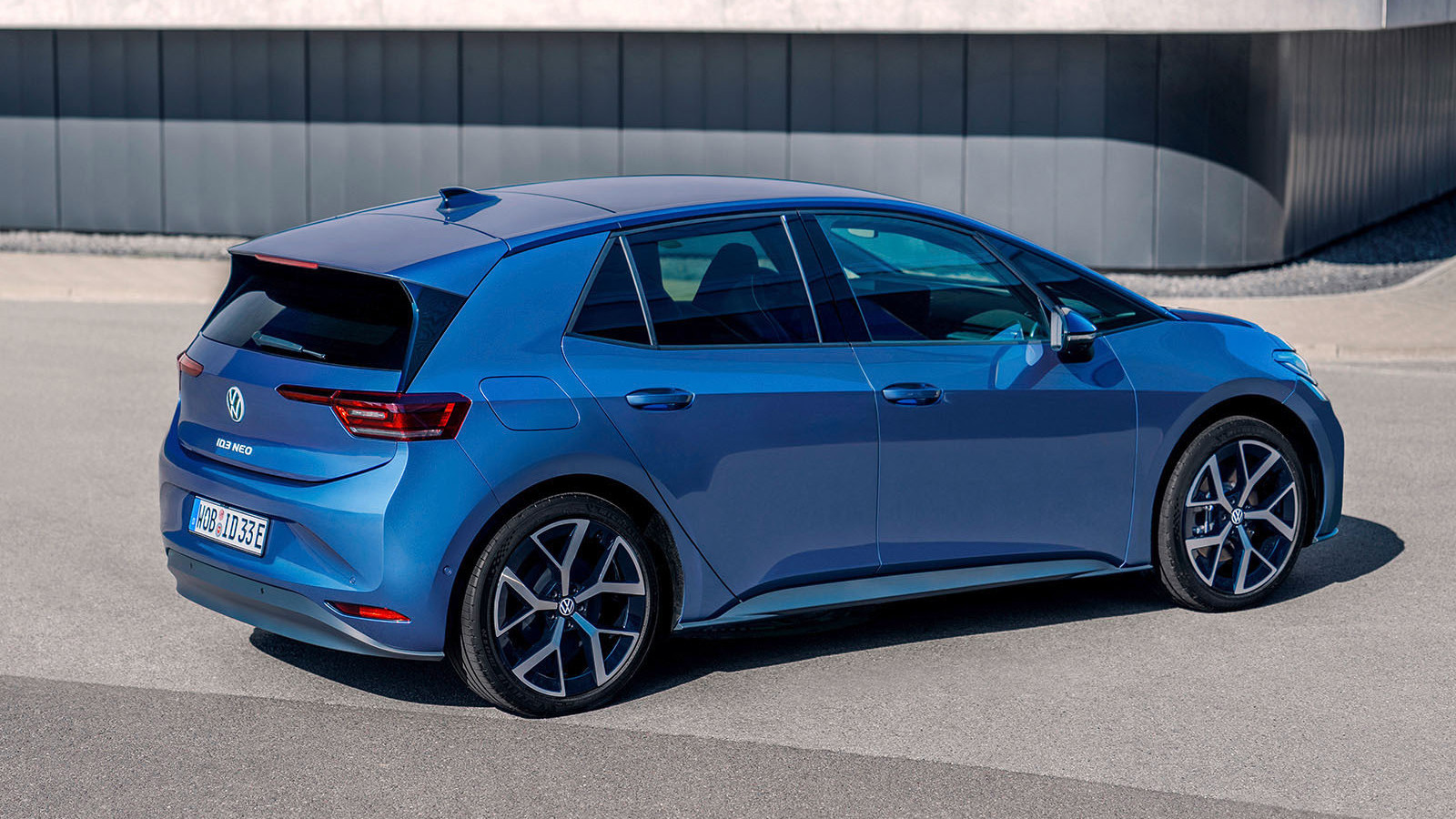
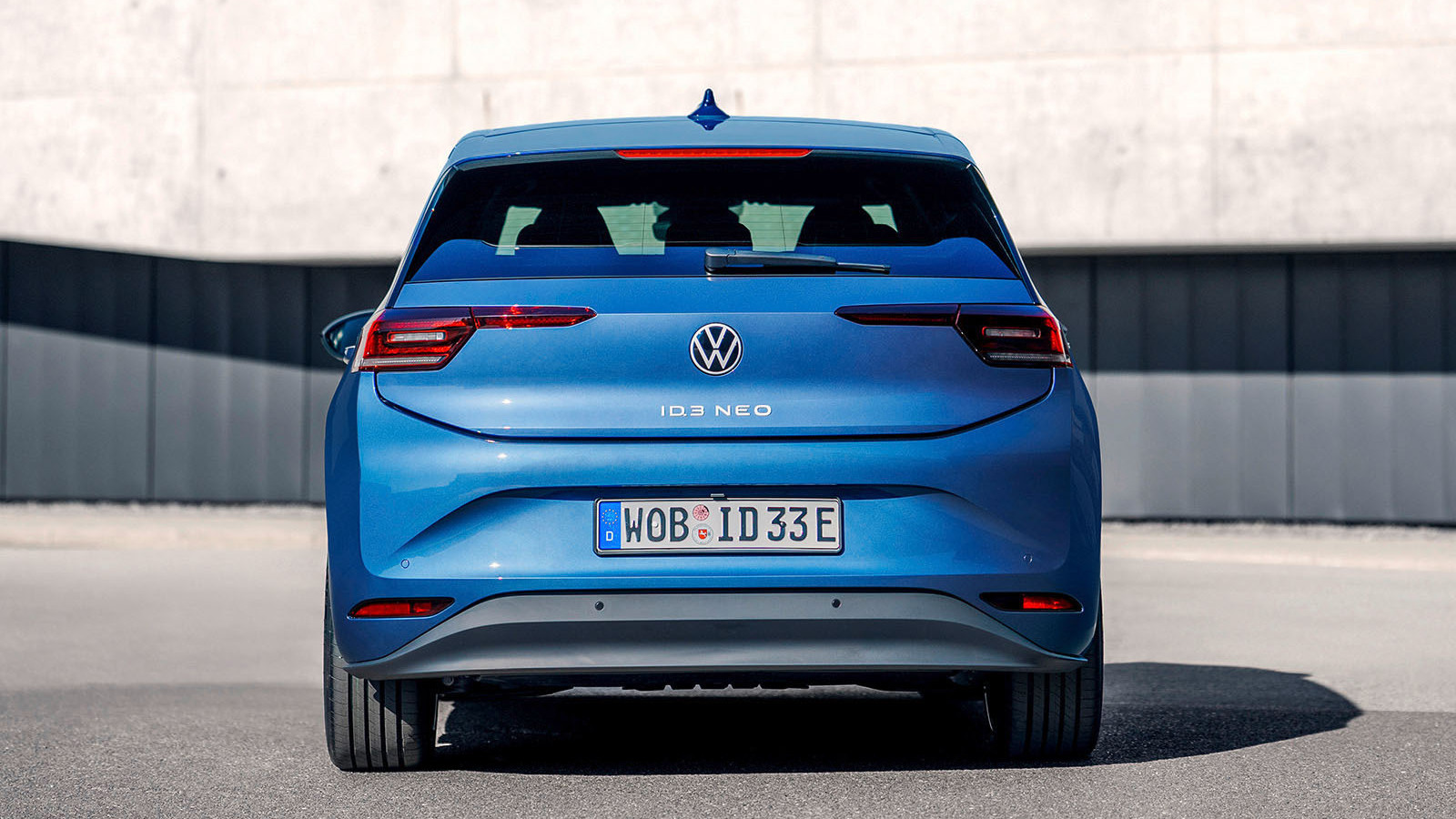
Perhaps the most noticeable change is the ID 3’s new name. The car will now be known as the ID 3 Neo, which is a reference to the car’s original development codename, and highlights the significance of this mid-life update.
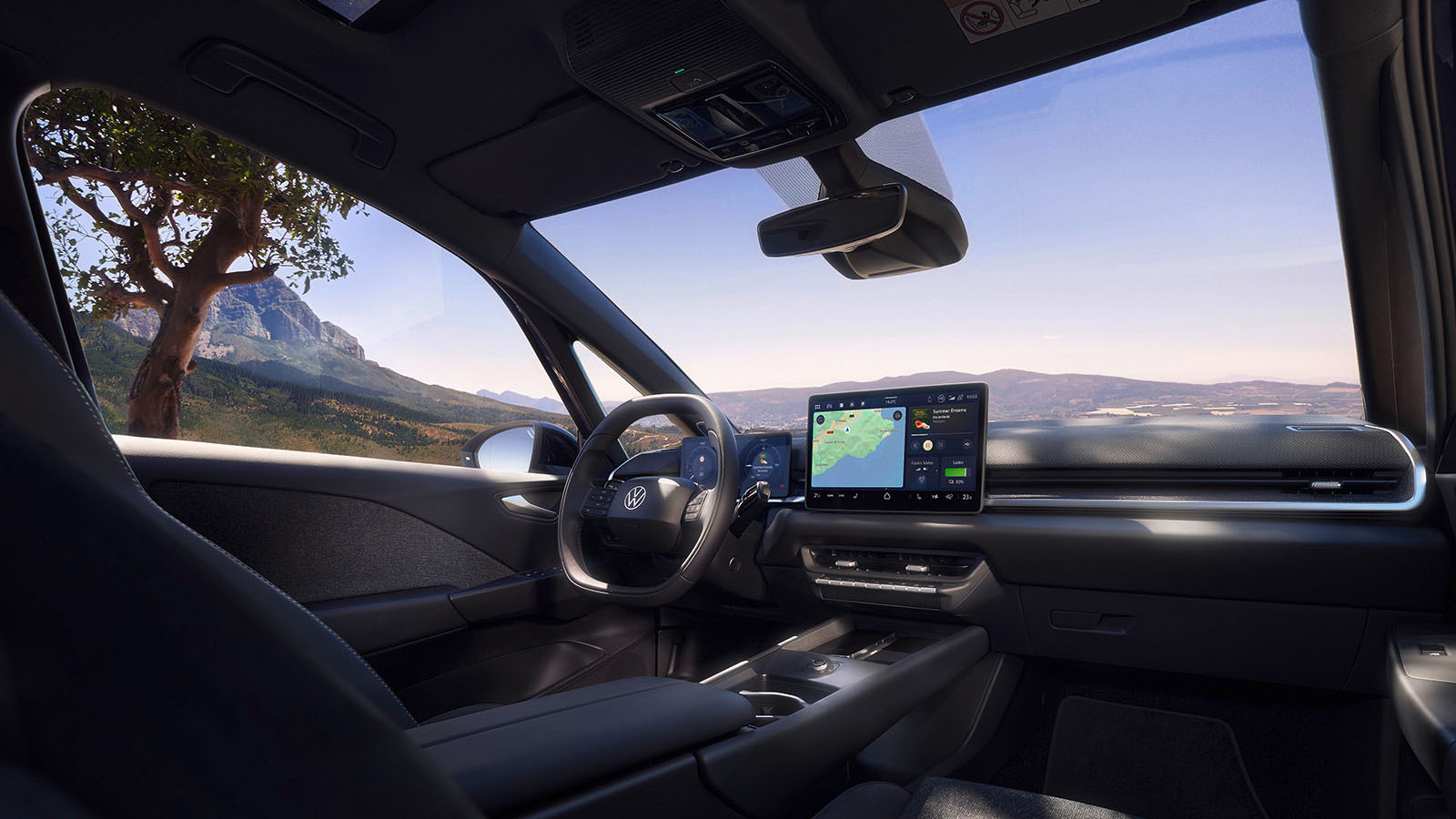
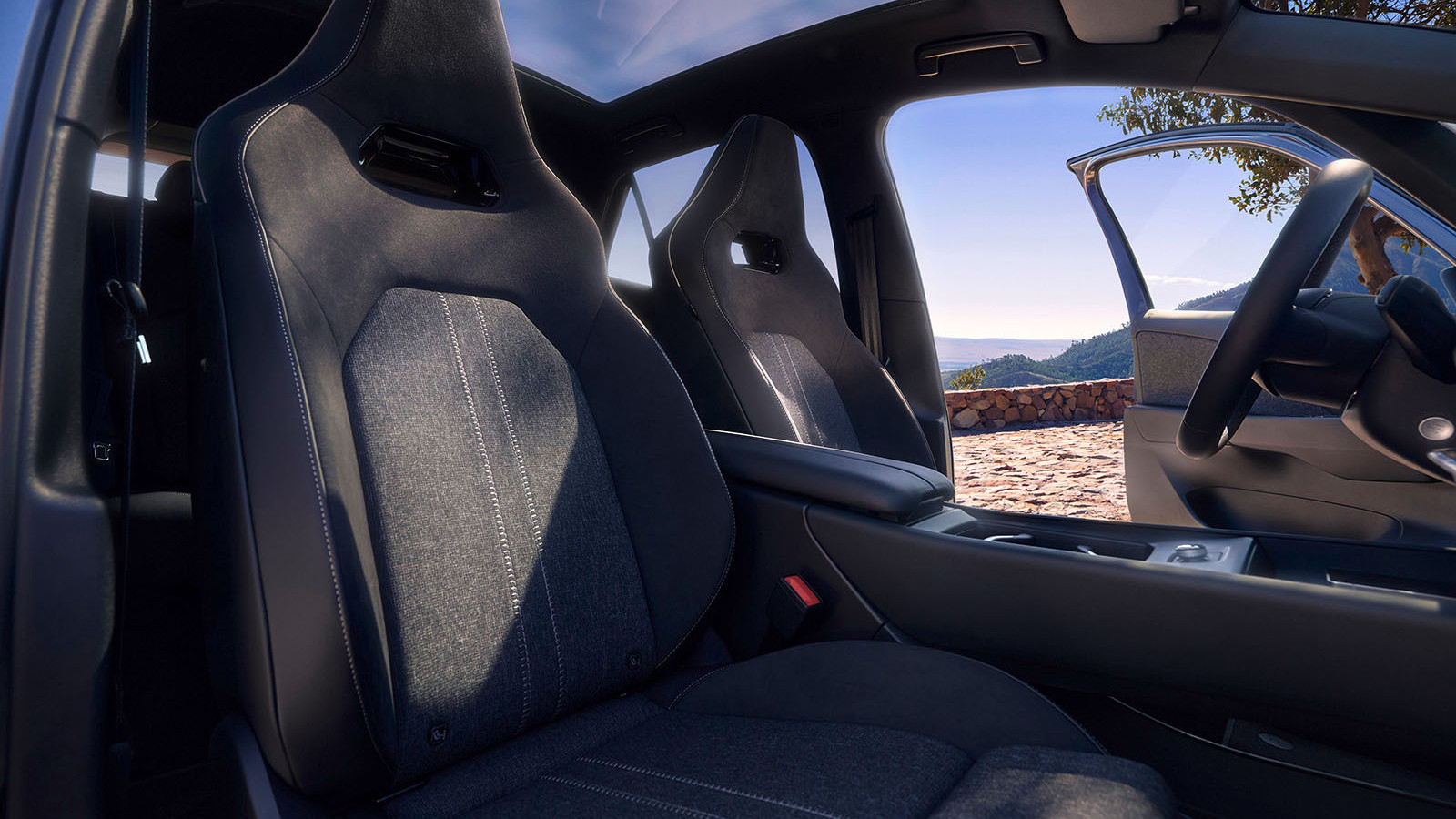
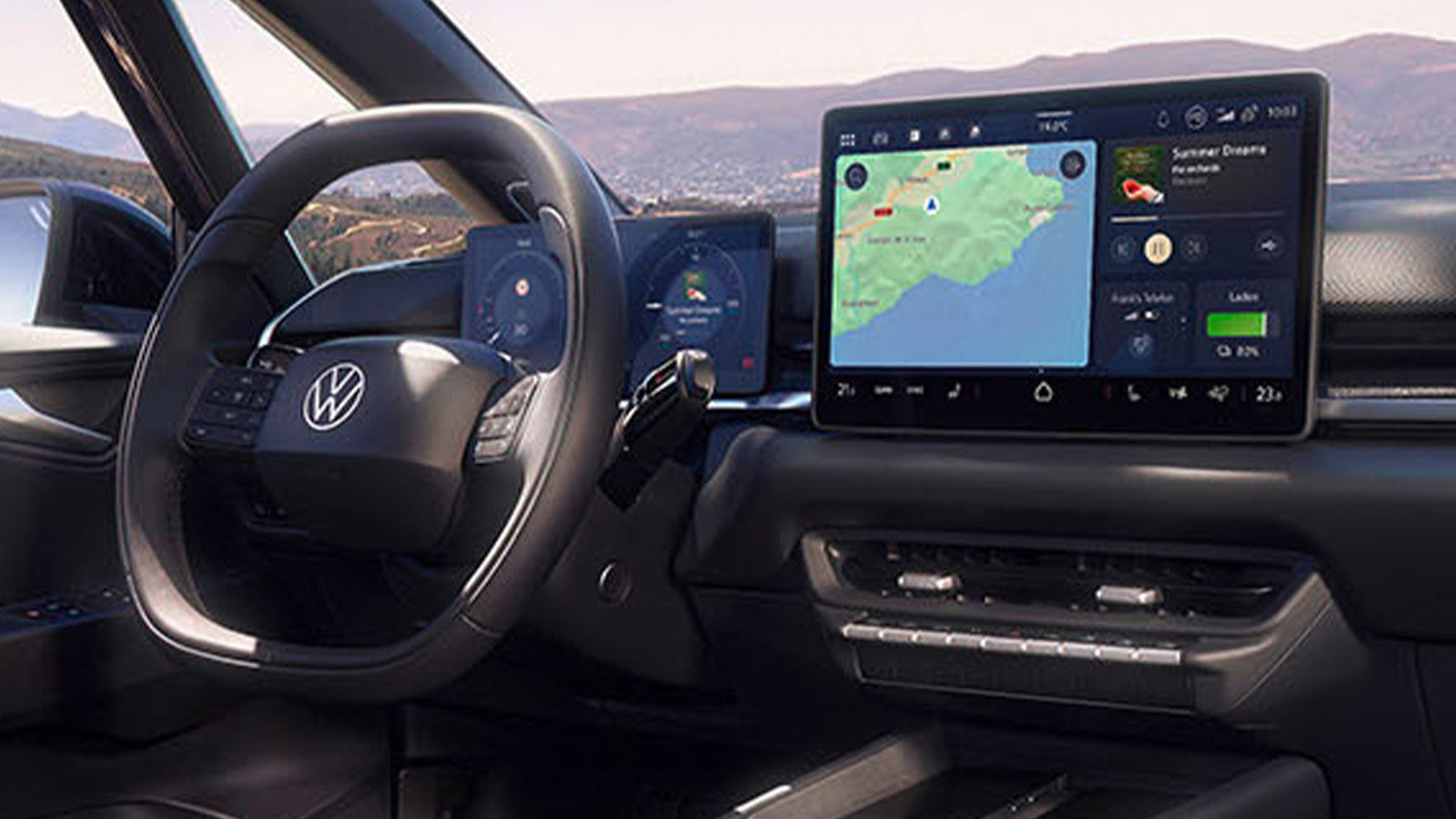
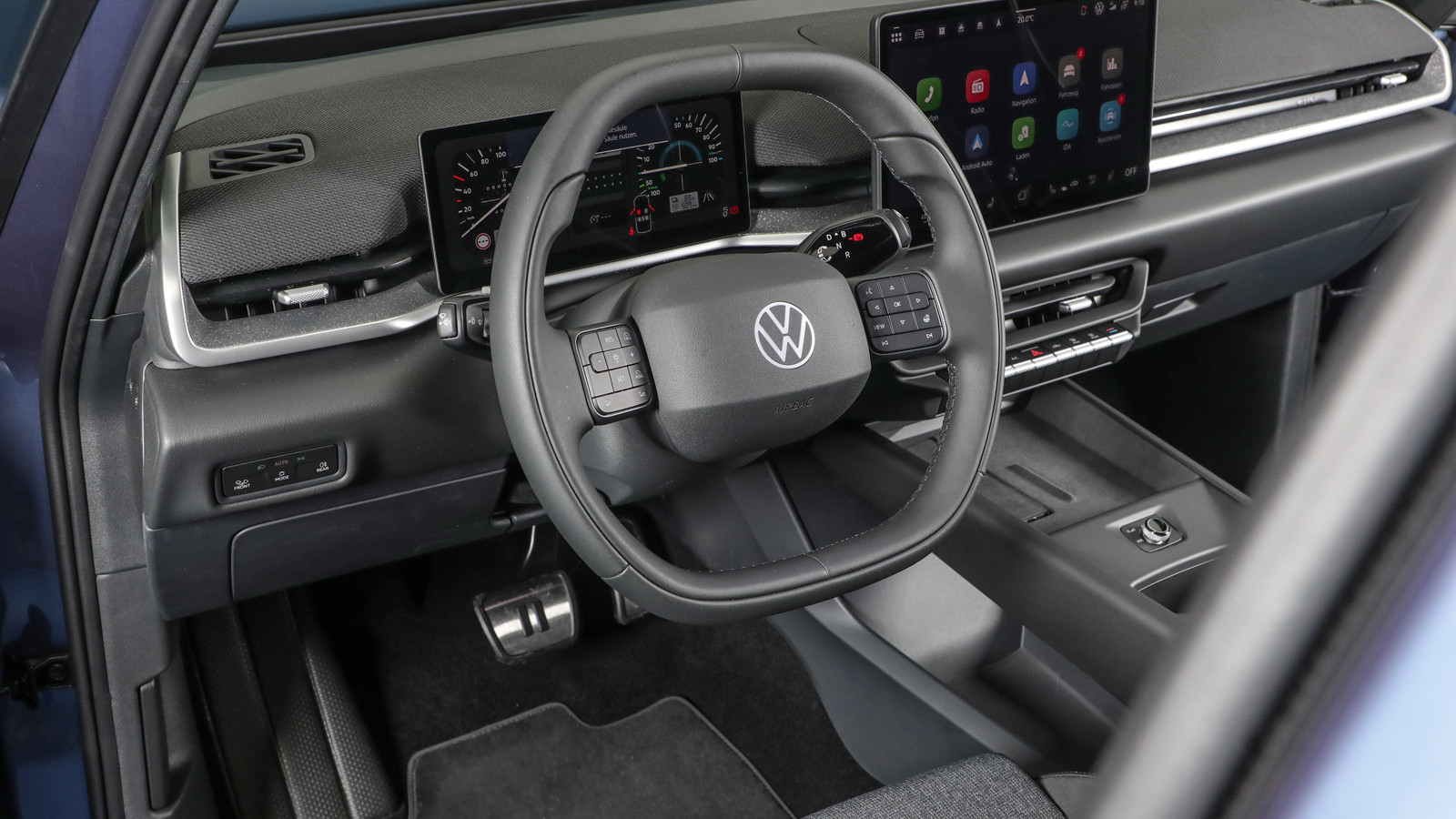
In a change that will surely be well received by most drivers, the ID 3 Neo introduces a completely new cabin. Volkswagen has added new, premium materials of a much higher quality than before, including soft-touch plastics.
Other changes to the cabin include the reintroduction of physical controls for key functions, including a volume knob, heating switches and buttons to activate the windows. These features all replace the controversial touch-pad systems used in the previous car.
The ID 3 Neo gets a new 13-inch touchscreen infotainment system, paired with a 10.25-inch digital driver’s display. Volkswagen says the driver display can be customised to resemble the instrument cluster of a 1980s Golf.
The dashboard, which was previously curved, has been swapped for a straighter unit, with a new, full-length centre console featuring a storage bin deep enough for a 30-inch tablet. There’s also a wireless charging pad big enough for two phones.
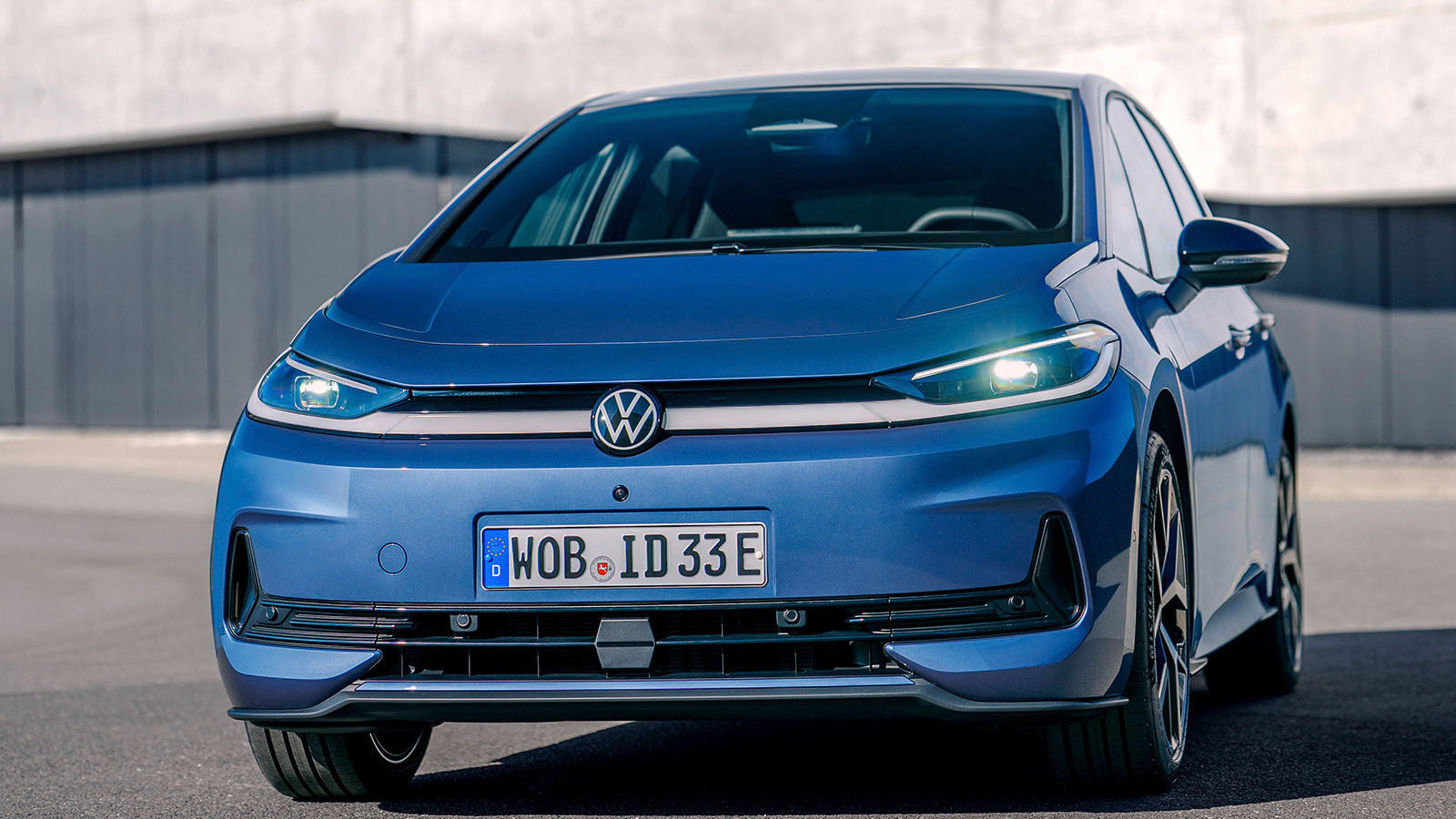
Changes to the ID 3’s exterior are more subtle, with a new front end designed to resemble the new, upcoming ID Polo and ID Cross models. Also new is a painted roof and tailgate.
The rear-wheel-drive ID 3 continues to be available with three power outputs, each equipped with a new battery. The new combinations are a 50kWh battery with a 168bhp motor, a 58kWh battery with a 188bhp motor, and a 79kWh battery with a 228bhp motor.
The range has been extended to a more efficient 629 km (391 miles), an increase of about 32 km (20 miles). Grünitz asserted that this distance is "more than any other car in its class."
Furthermore, the maximum rapid-charging speed with the largest battery has been marginally improved to 183kW. Although unconfirmed, a successor to the 322bhp GTX Performance hot hatch is expected to be revealed later this year and is primed to adopt the iconic GTI badge.
The ID 3 Neo also gets Volkswagen's latest software, allowing for the addition of new functions, including Travel Assist (such as semi-autonomous driving) and a one-pedal mode.
The battery will also gain vehicle-to-load capability. Owners will be able to control their ID 3 Neo using a new digital key feature on their smartphone, too.
According to Volkswagen boss Thomas Schäfer, the changes, especially those inside, are designed to address the shortcomings of the brand's first wave of bespoke EVs, which started with the ID 3 in 2020 and continued with the ID 4, ID 5, ID 7 and ID Buzz.
This is the second facelift for the ID 3, after an update in 2023 to resolve well-publicised issues with software and usability. The new car will arrive in July this year.