
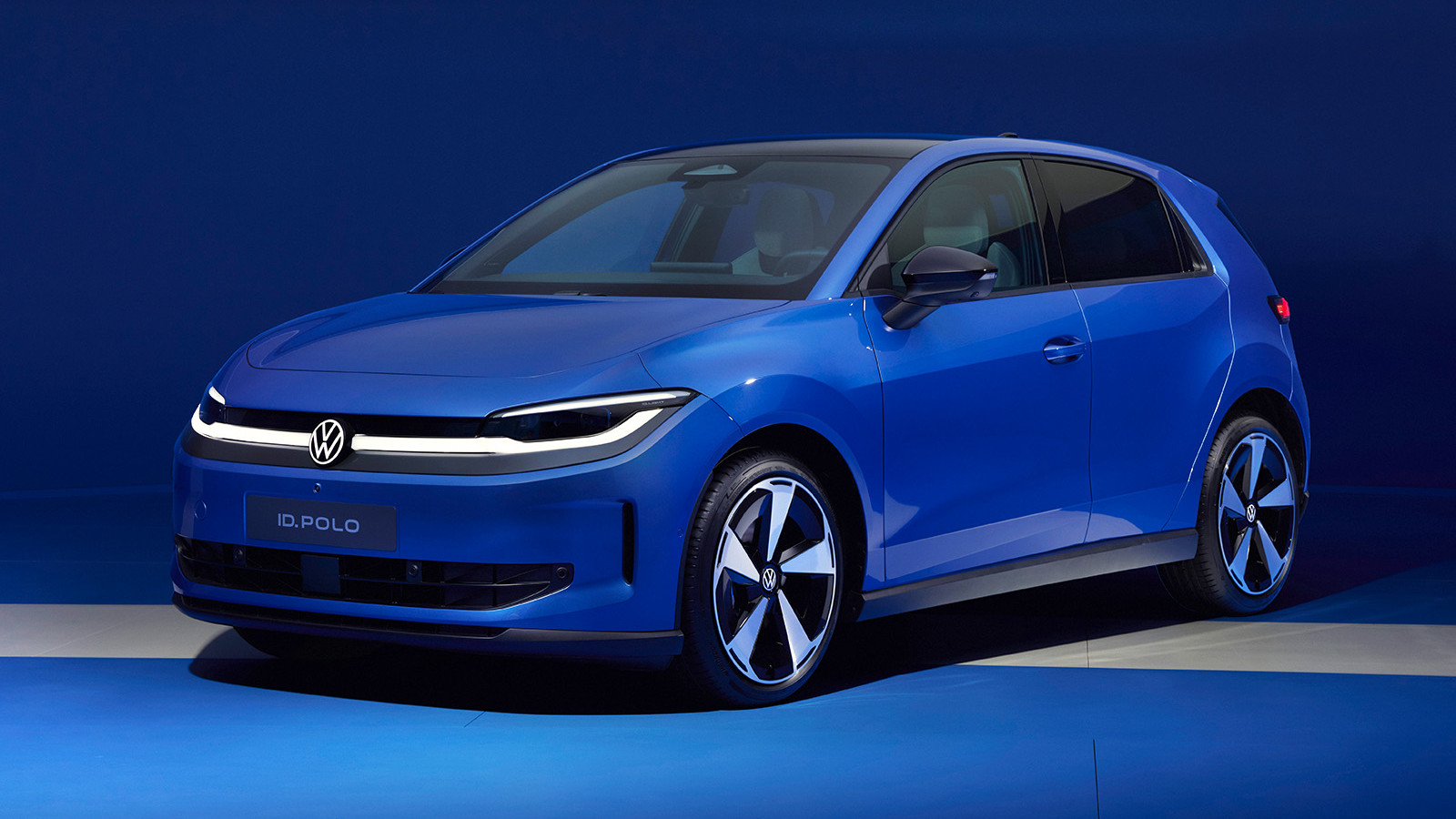
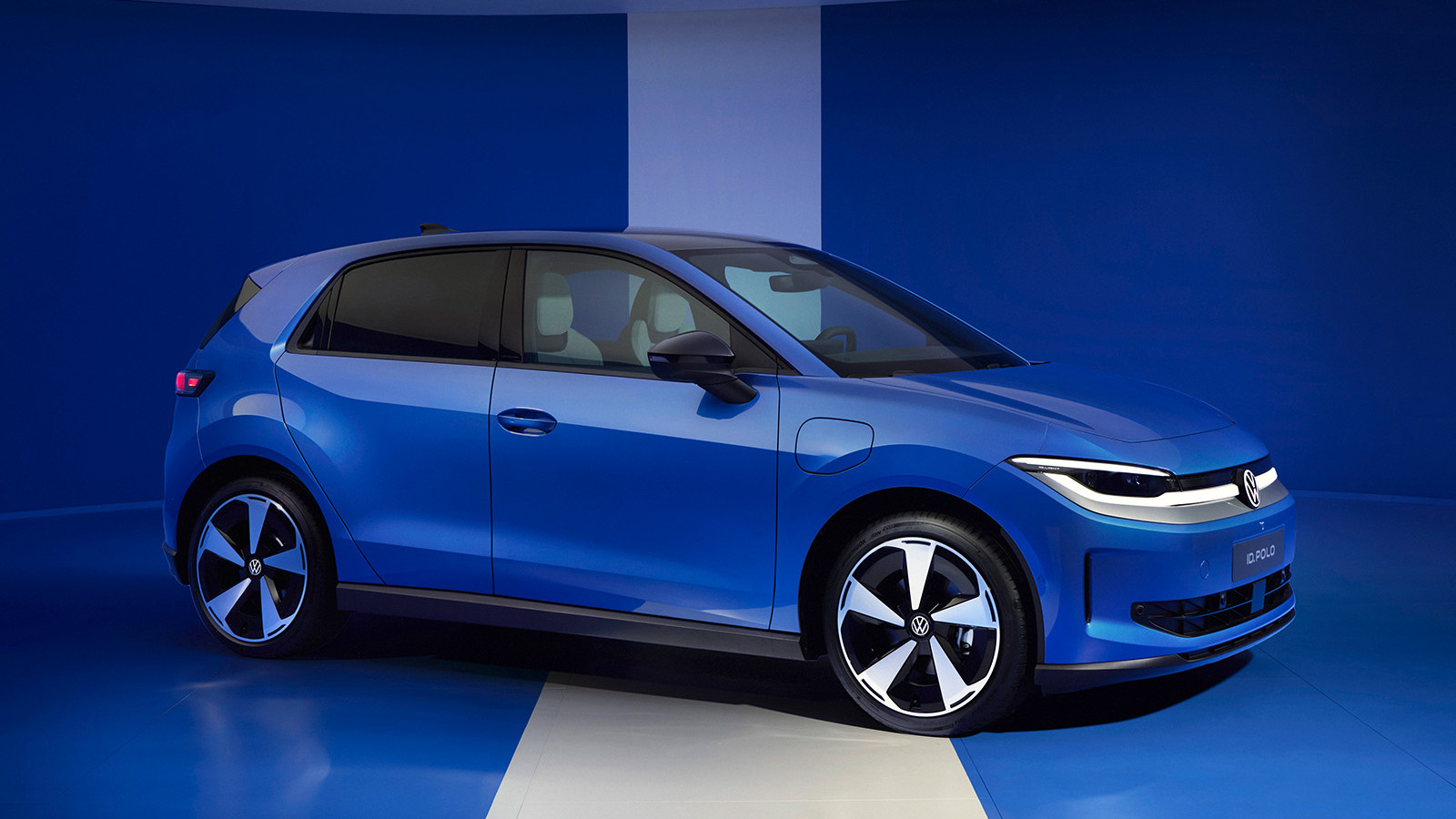
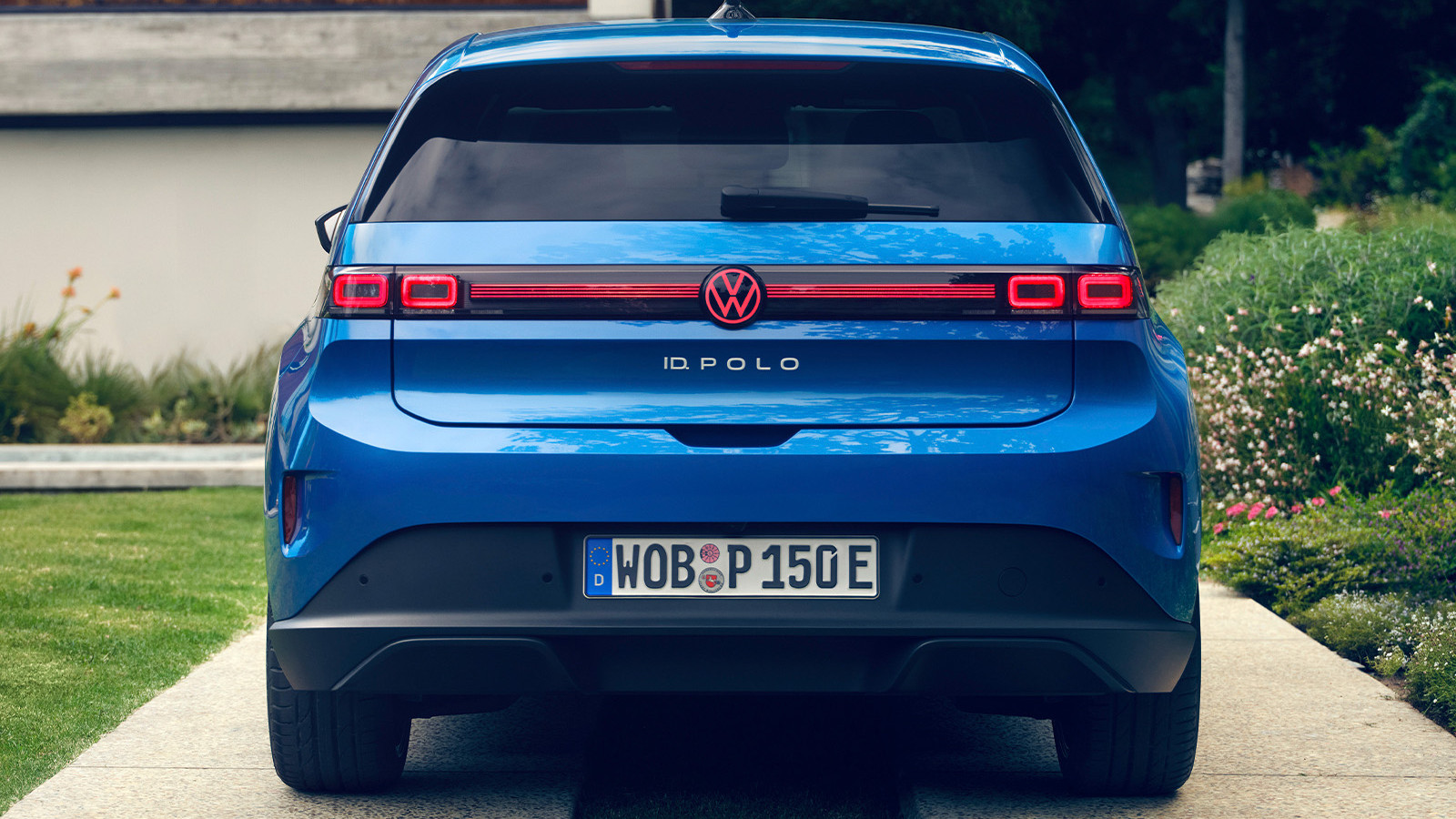
Volkswagen has revealed the eighth generation of one of its best-selling models, officially unveiling the ID Polo small electric hatchback.
The ID Polo is the first electric car to feature a completely new design language under the leadership of Andreas Mindt.
It’s the second of four entry-level electric cars to share a new Volkswagen Group platform, following the Cupra Raval. It will be joined by the Volkswagen ID Cross and the Skoda Epiq later down the line.
We’ve got all the details you need to know about this hugely important electric car, so read on to find out more.
The Volkswagen ID Polo is one of the most significant electric cars Volkswagen will probably ever launch. It’s the first electric Volkswagen to have its own established nameplate, ditching the numbering system used since the ID 3 was introduced in 2019.
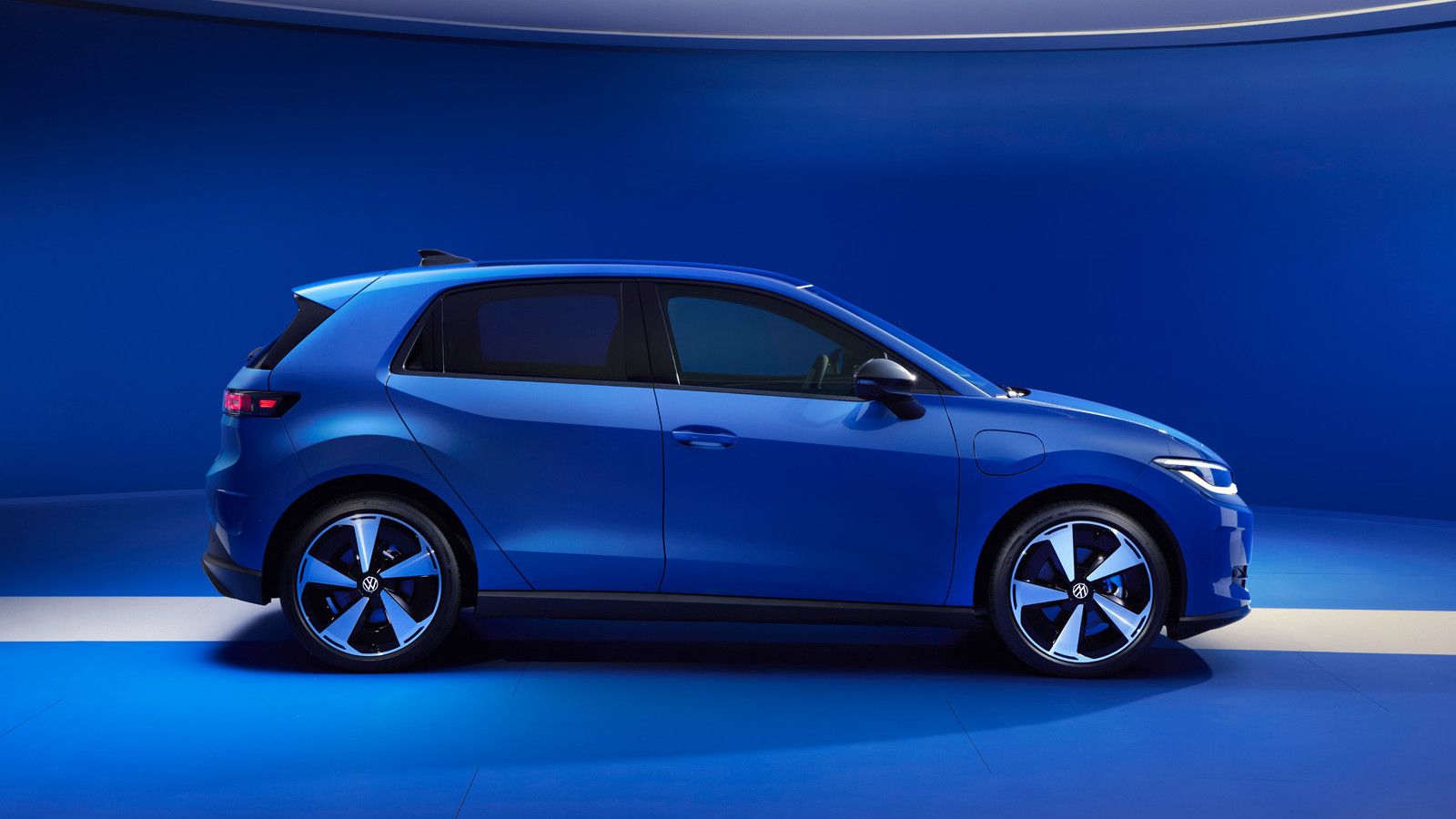
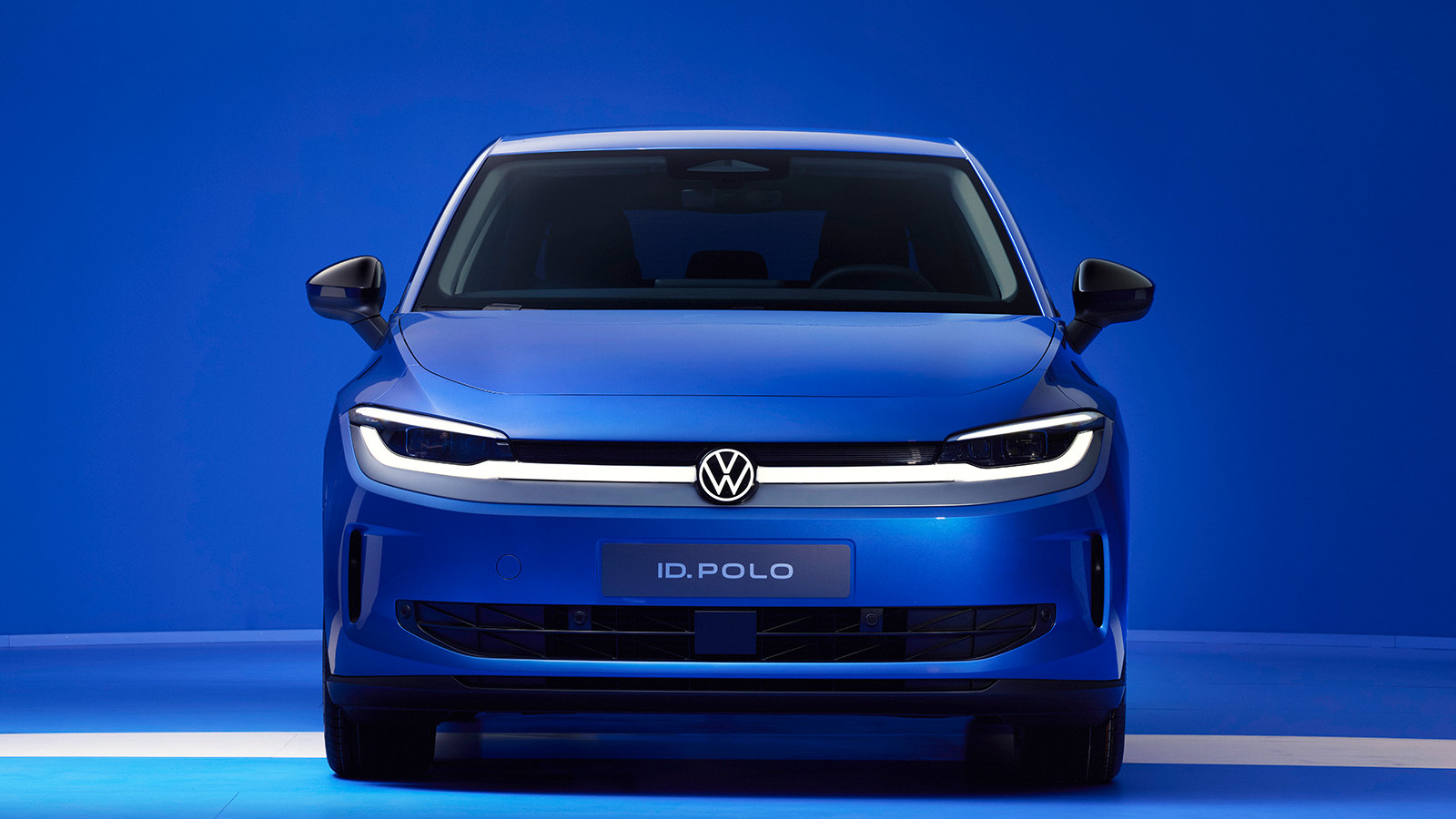
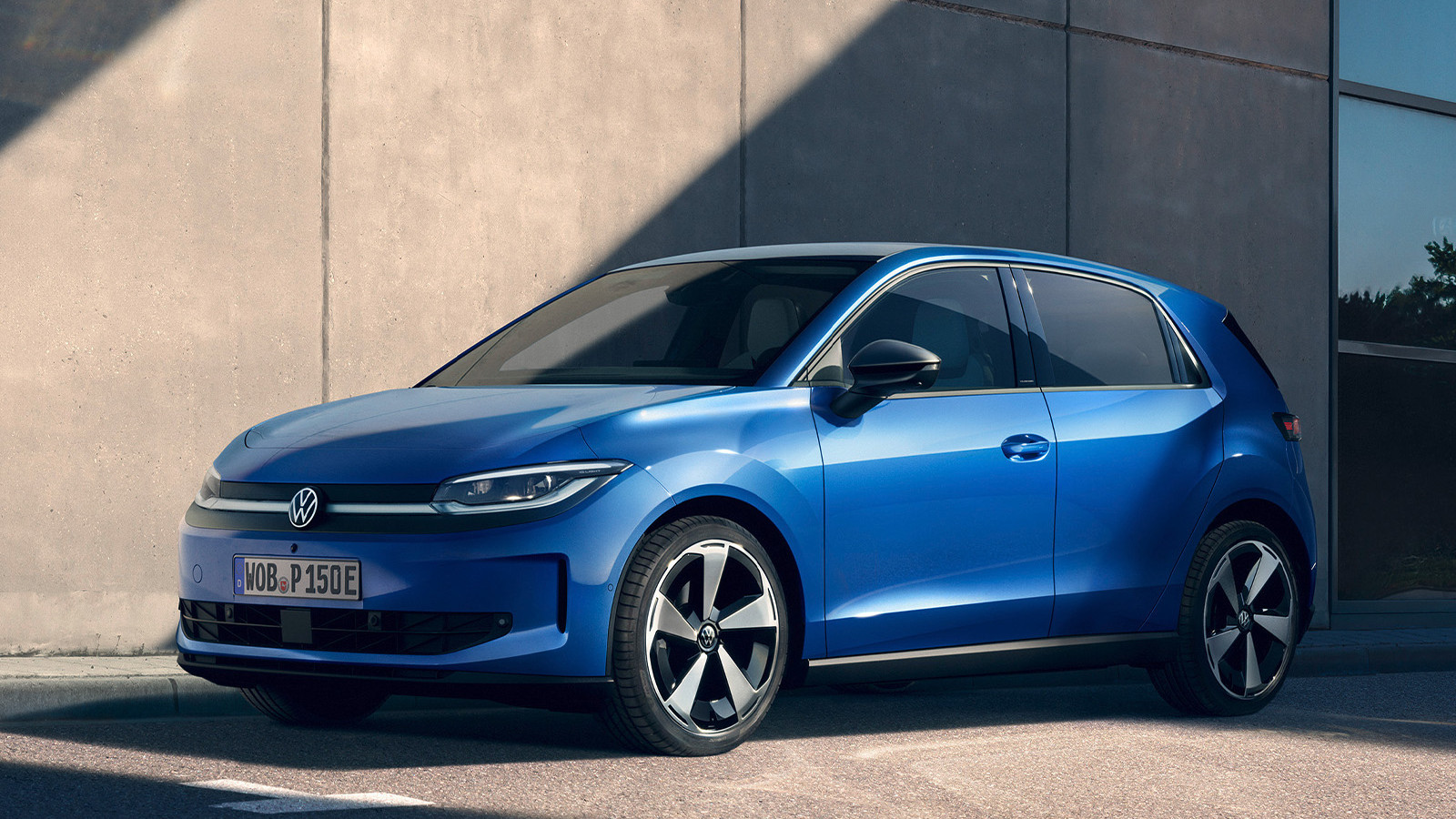
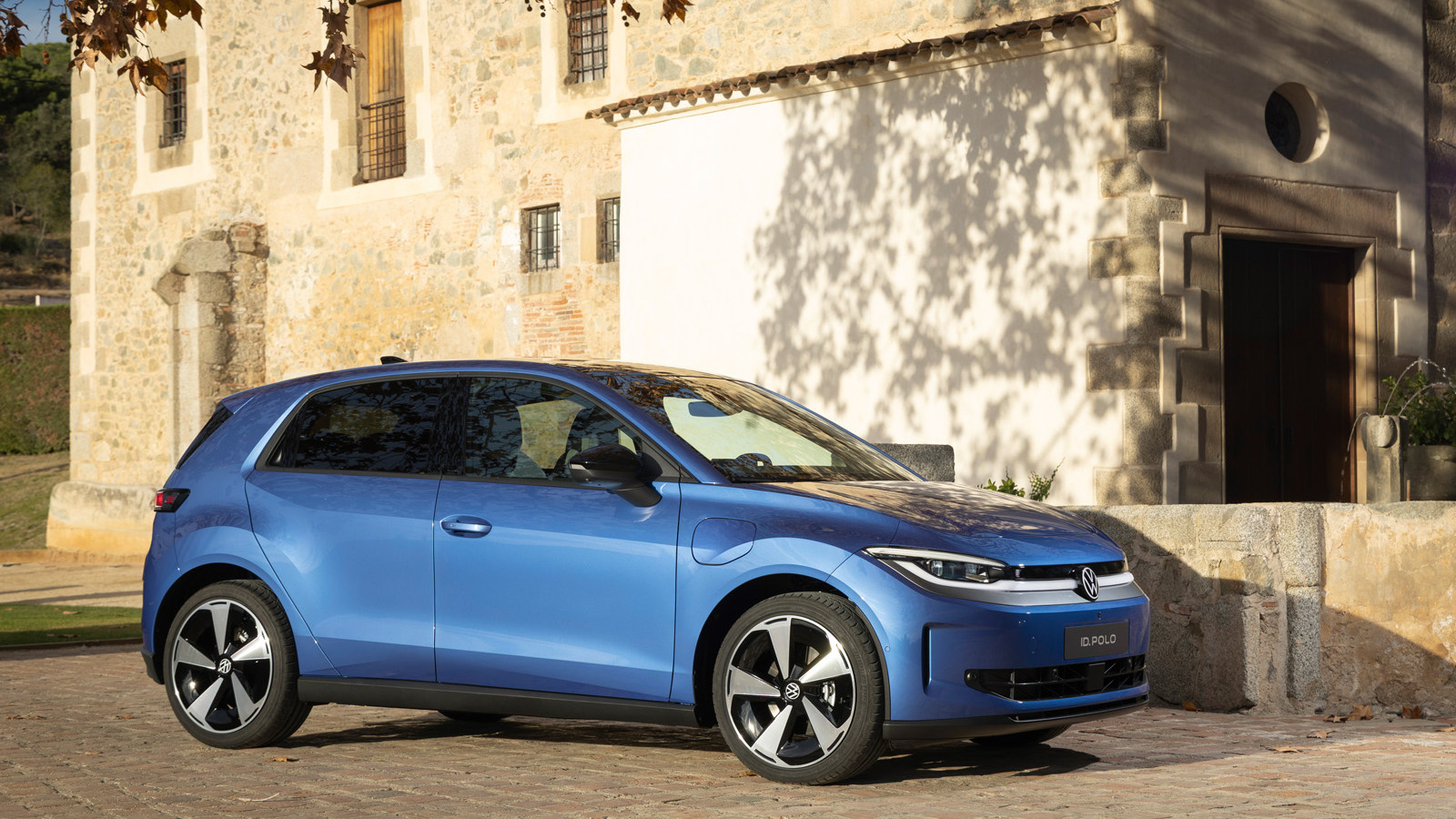
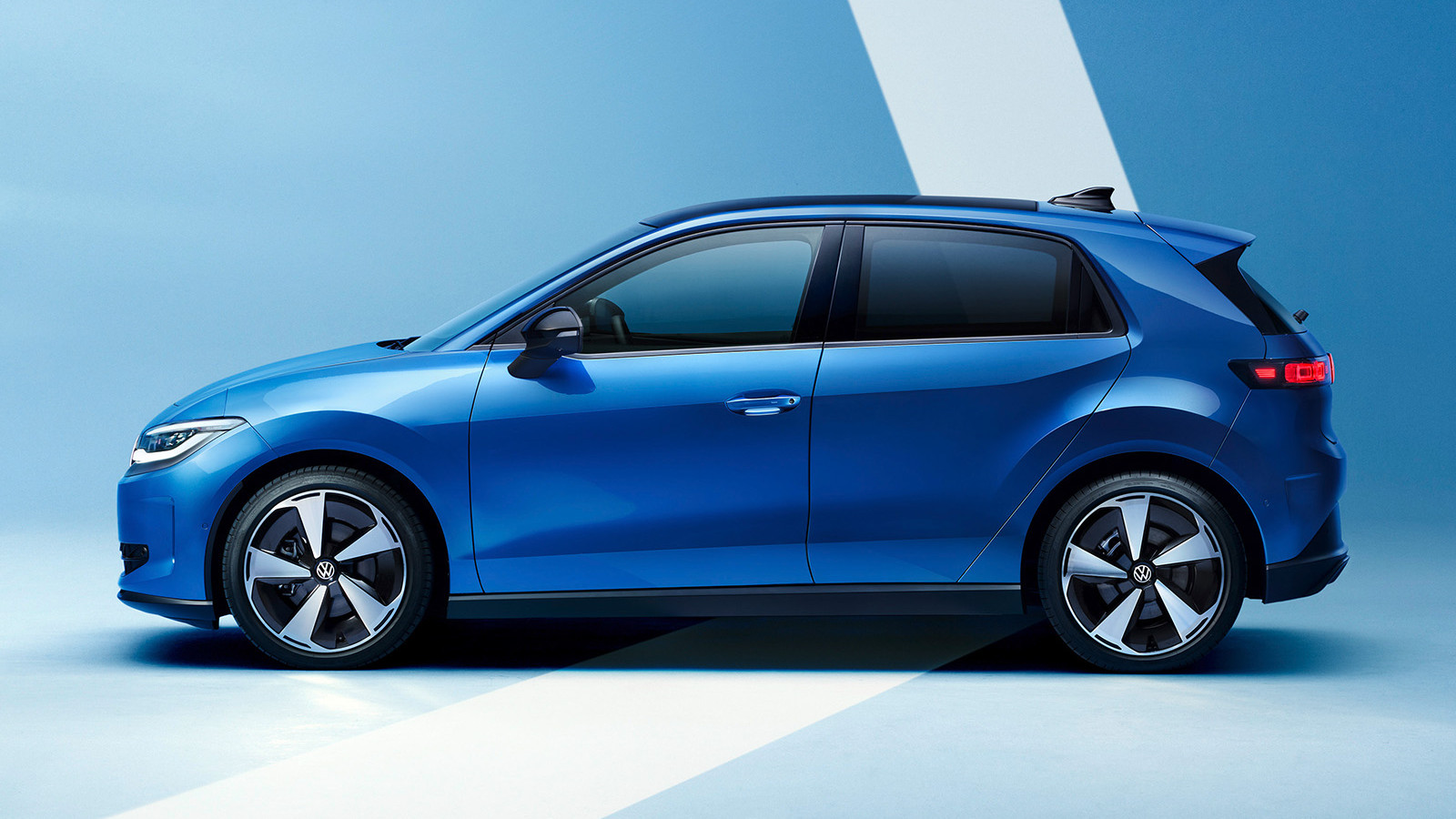
At 4.05m long, 1.8m wide and 1.5m tall, the ID Polo is nearly identical in size to the petrol Polo - but Volkswagen says its MEB Plus platform makes it "as spacious inside as a Golf". Its visual similarity to the existing petrol Polo represents Volkswagen’s goal to closer align the designs of its internal combustion and electric model line-ups.
The ID Polo will go on sale at the end of April. From launch, the car will be offered in a front-wheel-drive specification with three powertrain options. Entry-level models get a 37kWh battery with a range of 328km (204 miles), with a maximum charging speed of 90kW - enough to charge from 10-80% in 27 minutes.
Style variants sit at the top of the range, with a larger 52kWh battery with a longer range of 455km (283 miles). These cars also benefit from a faster charging speed of 130kW, which slashes the 10-80% refill time to 24 minutes. Two power levels are offered: 85kW (114bhp) and 99kW.
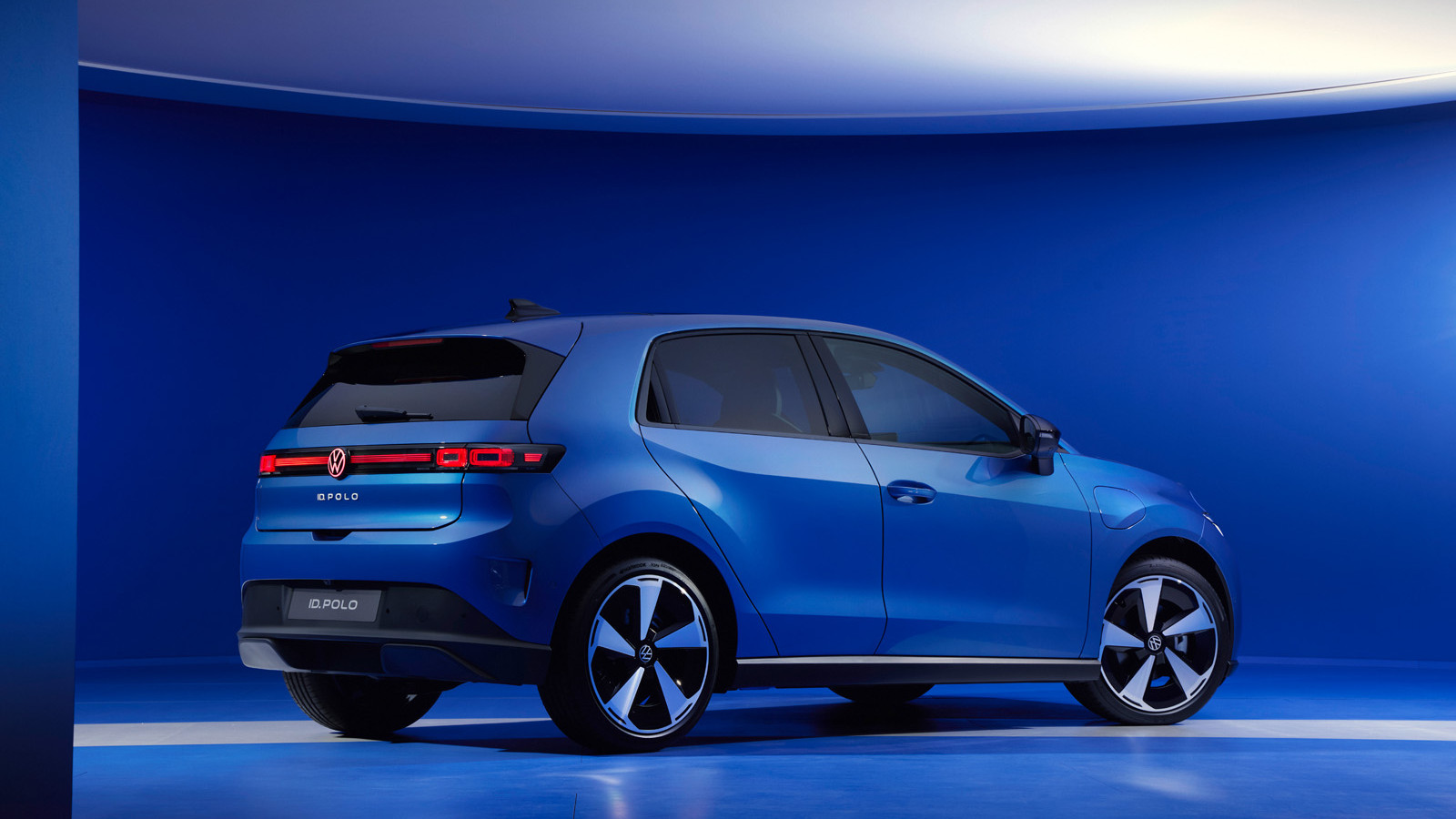
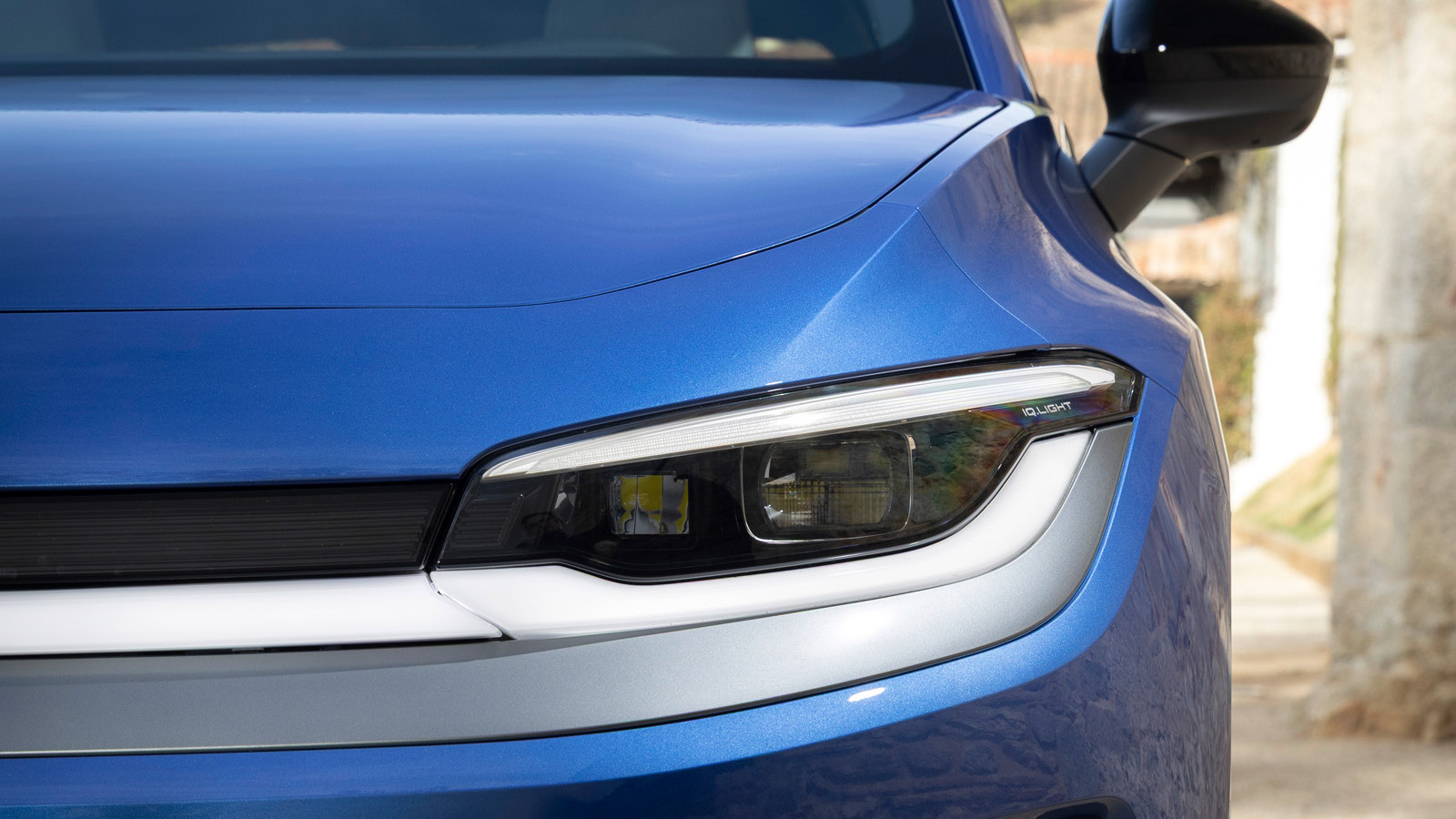
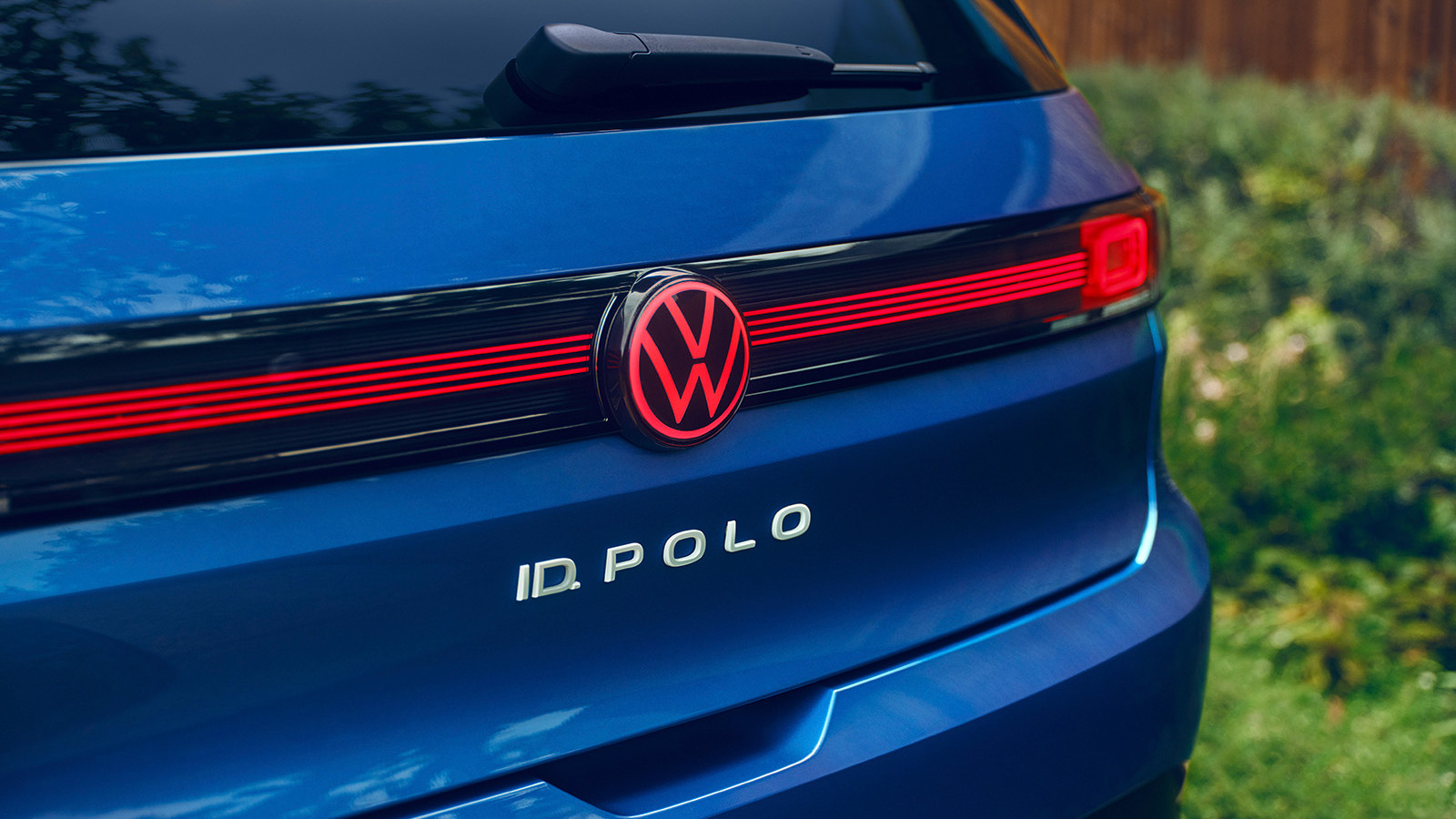
Apart from the entry model, all ID Polos will feature a light-up bar on the nose that "gives the car a strong and recognisable look at night". At the rear, the badge lights up.
It follows a similar design to the petrol Polo in having a long wheelbase and short overhangs - boosting interior space - while featuring the classic angled Volkswagen C-pillar, which began with the Golf Mk1 ("the first thing you notice", according to Grunitz).
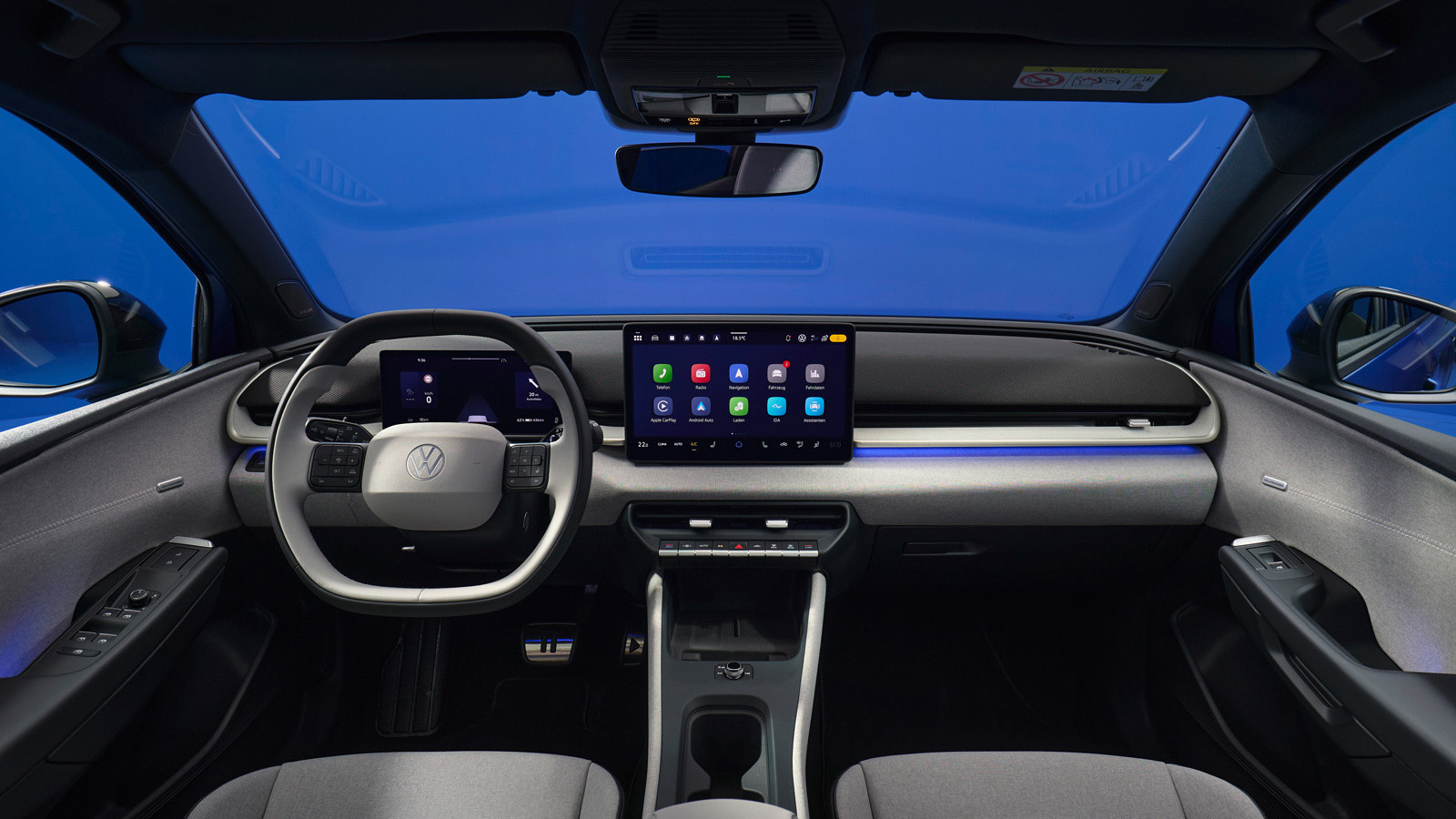
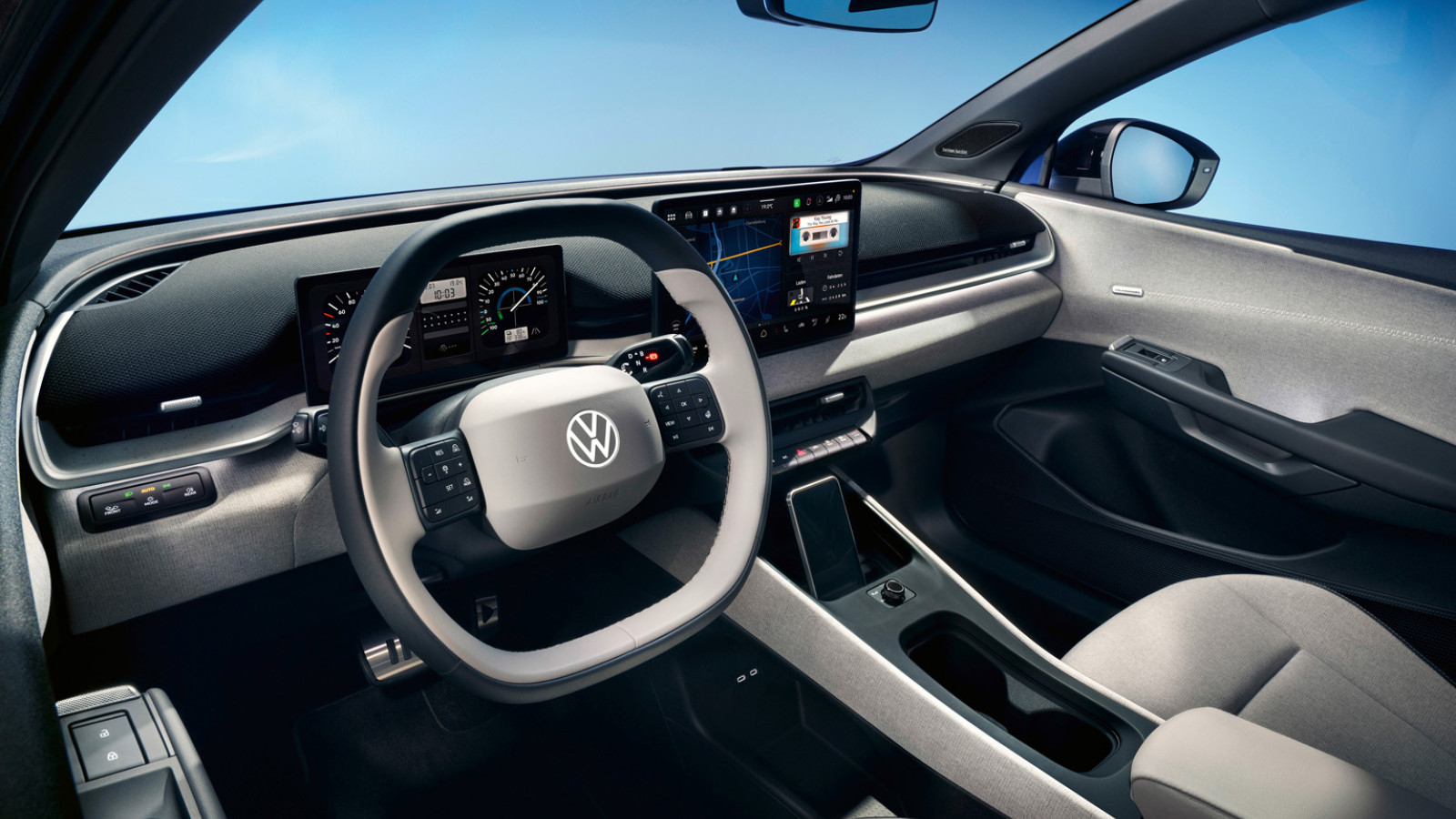
Inside, the ID Polo features Volkswagen’s most modern cabin to date, and a very similar set-up to the recently revealed ID 3 Neo. Volkswagen calls it a “big jump forward” that "addresses many of the criticisms our customers had" about past ID models.
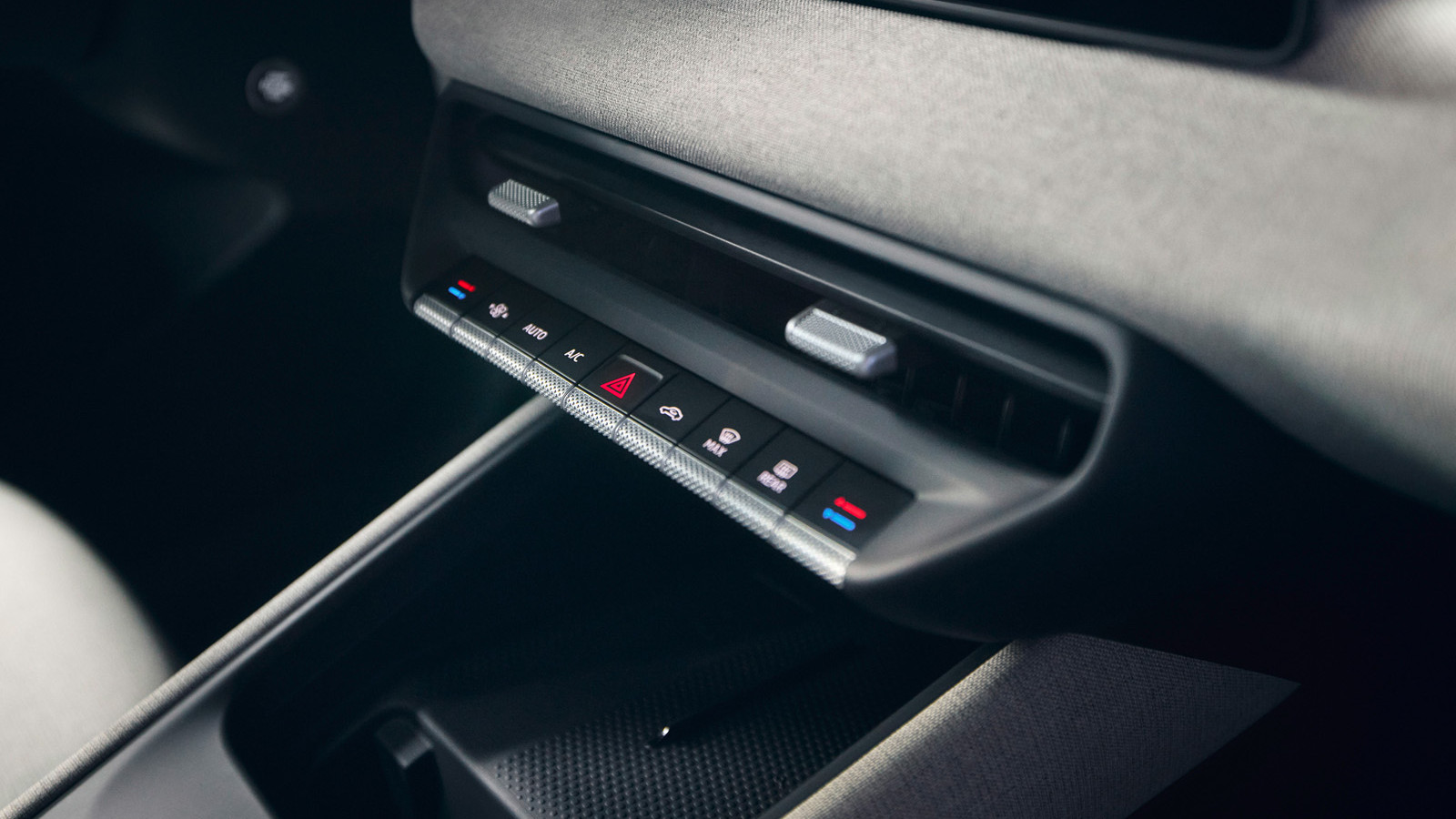
The cabin hosts a 10.25-inch digital information display and a 13-inch landscape infotainment screen. Volkswagen has dropped the controversial touch slider controls for the climate control, air conditioning and warning lights, and a new rotary dial controls the infotainment and radio functions. A new-shape steering wheel hosts two clusters of physical buttons, too.
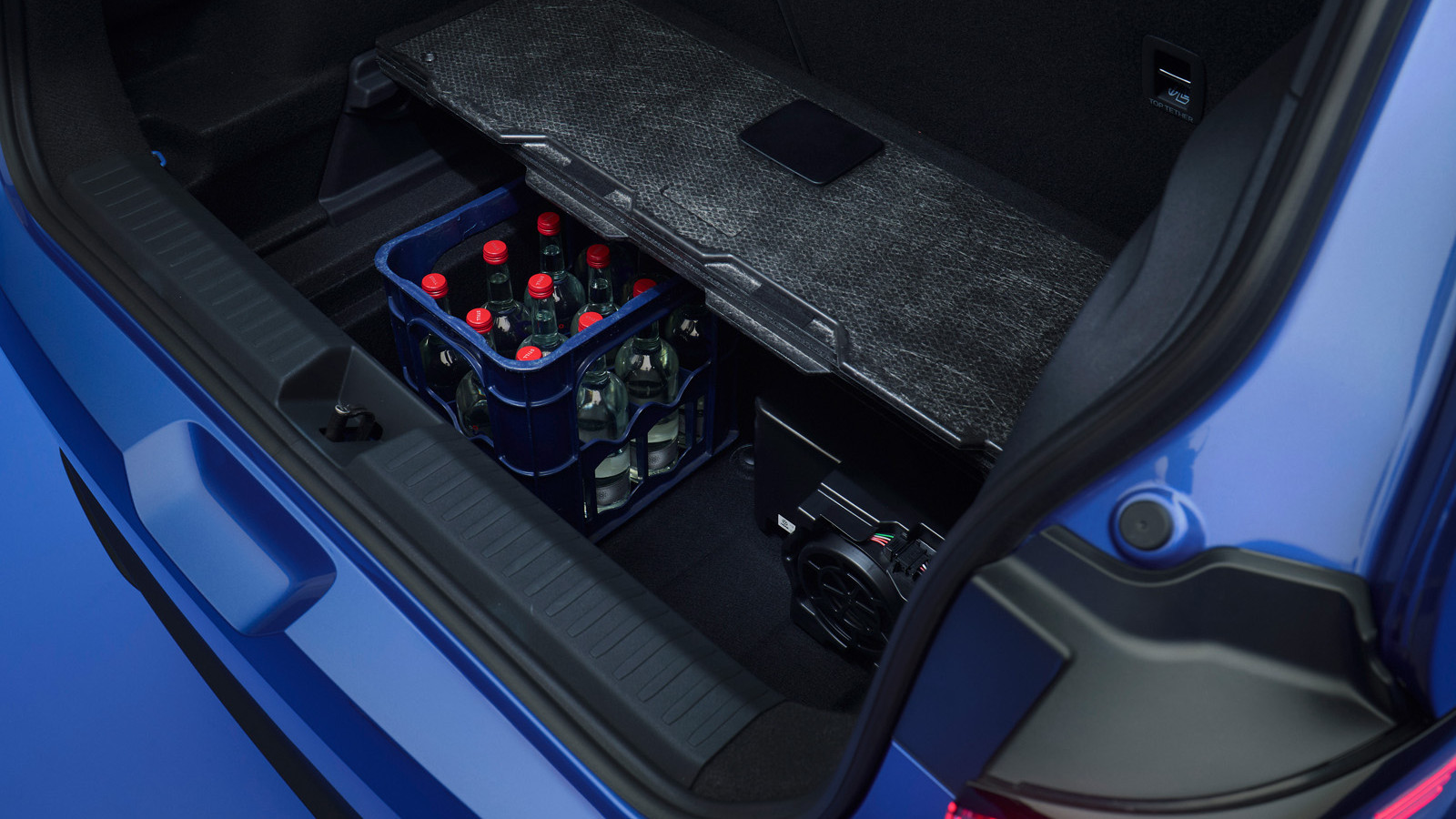
There’s a large storage area under the boot, which offers enough room for a stroller and boosts overall boot space to 441 litres. The additional storage capacity helps to display how the ID Polo is the first of Volkswagen's EVs to be created with such a prominent focus on how it will be used.
Many of the car’s design choices were made to support real-world use and the needs of everyday drivers.
For example, CEO Thomas Schäfer previously told Move Electric’s sister publication Autocar why the ID Polo has physical door handles, rather than flush, touch-sensitive ones like on the ID 4: "You stand in front of the car, you have your shopping bags in your hand, and you do not know how to open the door. And we said: 'Hold on. This is not it at Volkswagen.' It must feel right immediately; it must be intuitive; it must be likeable."
"When developing the ID Polo, we thought a lot about how our customers really use the car in their everyday life," Schäfer said.
"When I became a father, we also had a Polo, and this was basically enough for us because we lived in a city, but fitting a stroller inside was almost impossible. So with the ID Polo, we asked ourselves: can we do this better?"
Volkswagen says the ID Polo comes with technology seen on cars in much higher, more expensive segments. Semi-autonomous travel assist is included as standard, in addition to a rear-view camera and smartphone mirroring.
It can also be parked via a smartphone application. Style cars gain LED matrix headlights, sport comfort seats and two-zone air-con, while a panoramic sunroof, electronically adjustable front seats and a 10-speaker Harman Kardon sound system are optional extras.
The ID Polo will go on sale this summer. UK pricing has yet to be confirmed, but in Europe it starts at €24,995 (£21,700), which positions it abo14ve the Grande Panda (from €24,300/£20,995) and virtually on a par with the Renault 5 (from €24,900/£21,495).
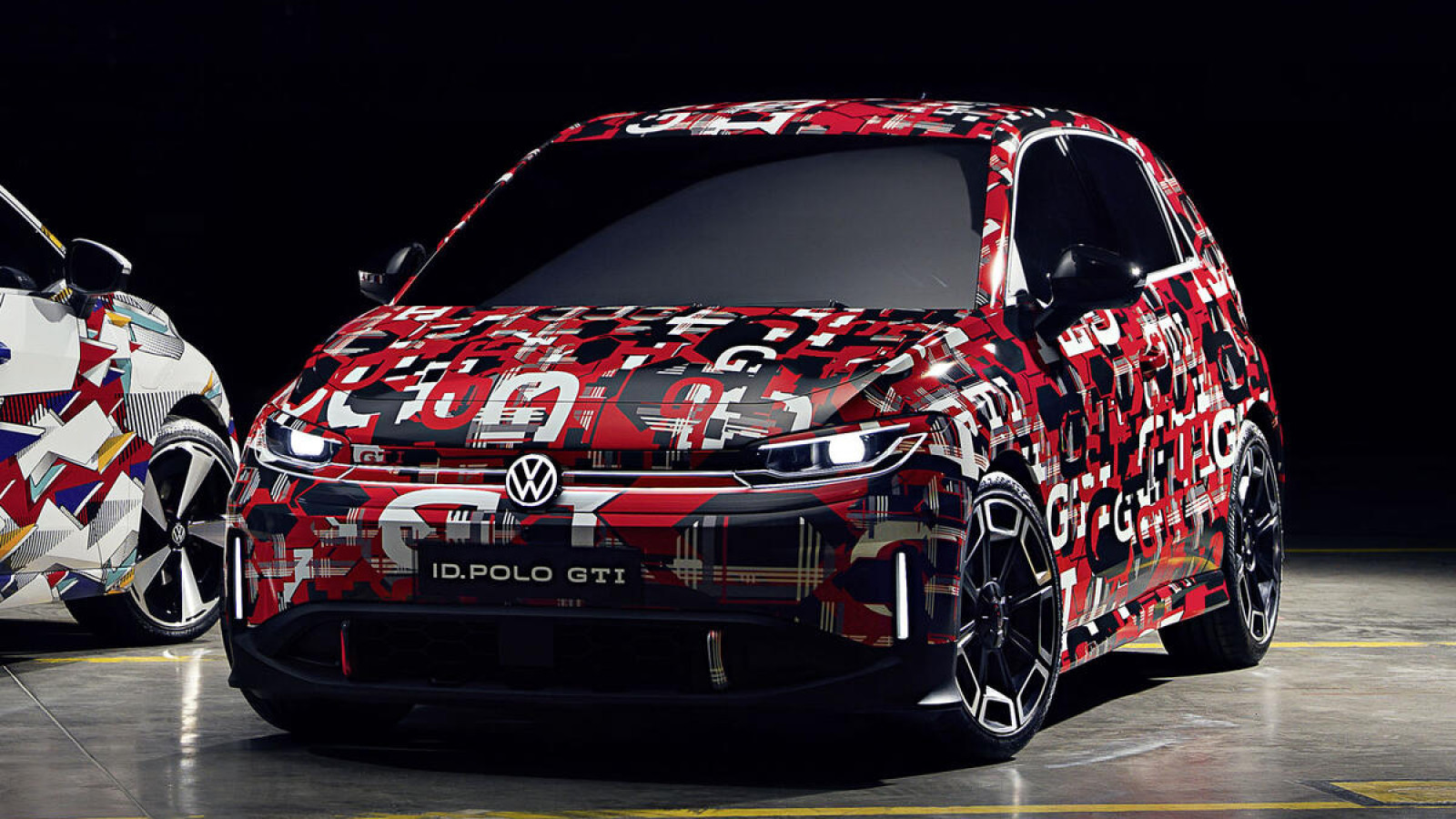
The more potent ID Polo GTI will join the line-up at a later date, and will represent the first time the famous performance badge has appeared on an electric car.
Previewed by the 2023 ID GTI concept, it is expected to launch later this year with a similar 165kW (222bhp) output to that of the Cupra Raval VZ. Cupra's rival to the Alpine A290 has a host of additions that are also expected to appear on the GTI, such as an electronic limited-slip differential.
As previously reported by Autocar, Volkswagen is exploring plans for two other high-performance ID Polo variants: the GTI Clubsport and the R. The latter could be its first model to use in-wheel motors as part of a 400bhp-plus four-wheel drive system.
Sales of the existing petrol Polo will continue, with the two cars effectively treated as sibling models. The ID Polo will be followed by the ID Cross, before the larger ID 4 is rebranded as the ID Tiguan as part of a major update.